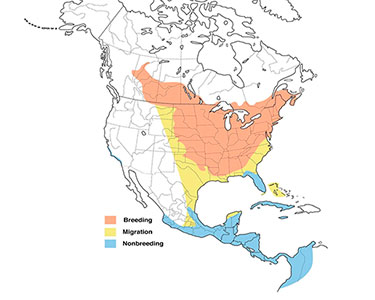
Understanding the oriole migration map is fascinating for bird enthusiasts across the United States. These vibrant birds undertake remarkable journeys each year, traveling thousands of miles. Knowing their routes and timing helps us appreciate their resilience and offers prime opportunities for backyard birdwatching. This article provides essential insights into the oriole migration patterns, detailing when they arrive, where they spend their winters, and how you can support them on their epic flights. Discover the key facts about Baltimore Oriole and Bullock's Oriole movements, making your birdwatching more informed and rewarding. We delve into specific dates and geographical areas, ensuring you have the latest information. Learn to identify the various oriole species and follow their incredible annual migration stories through North America.
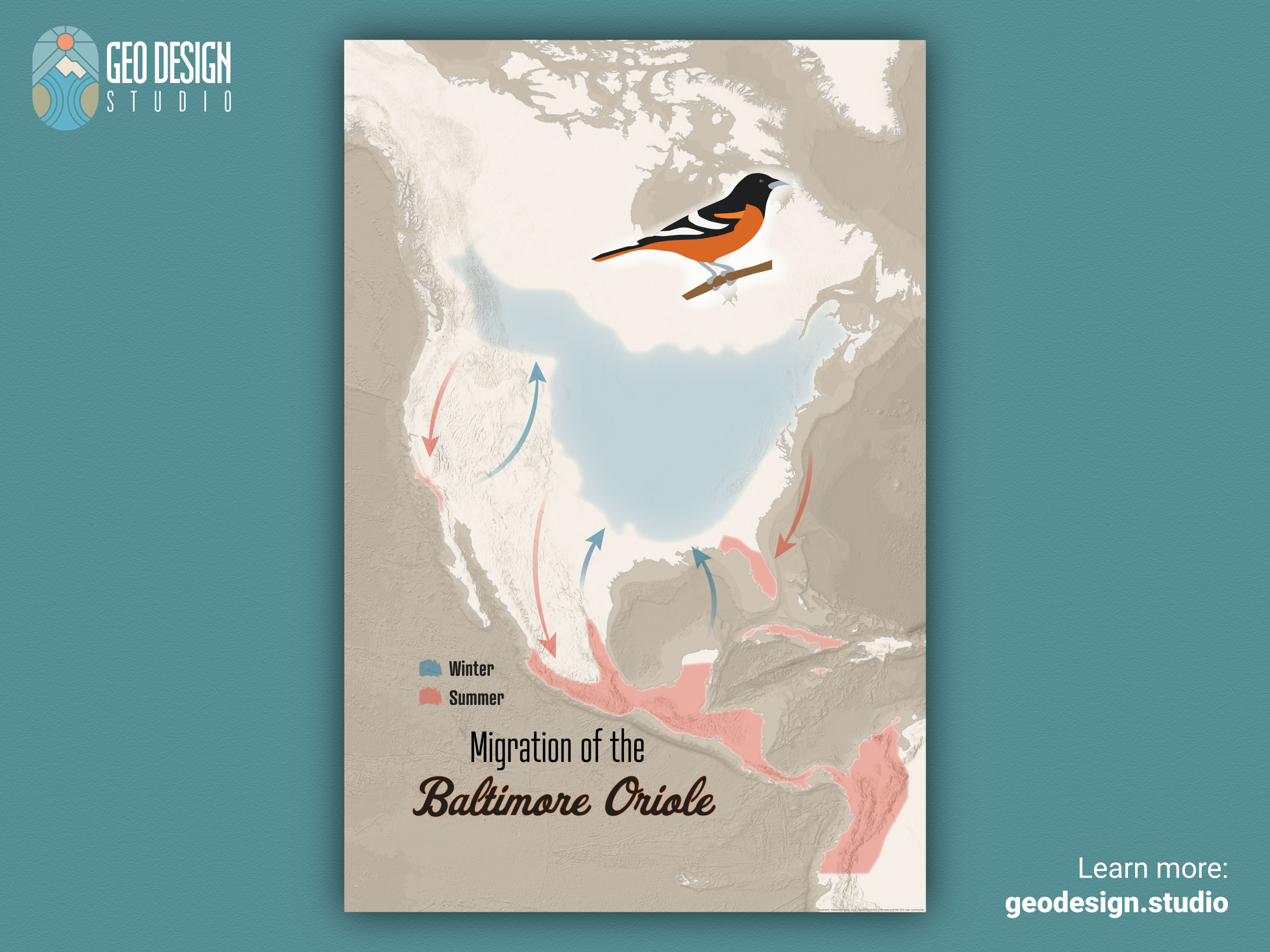
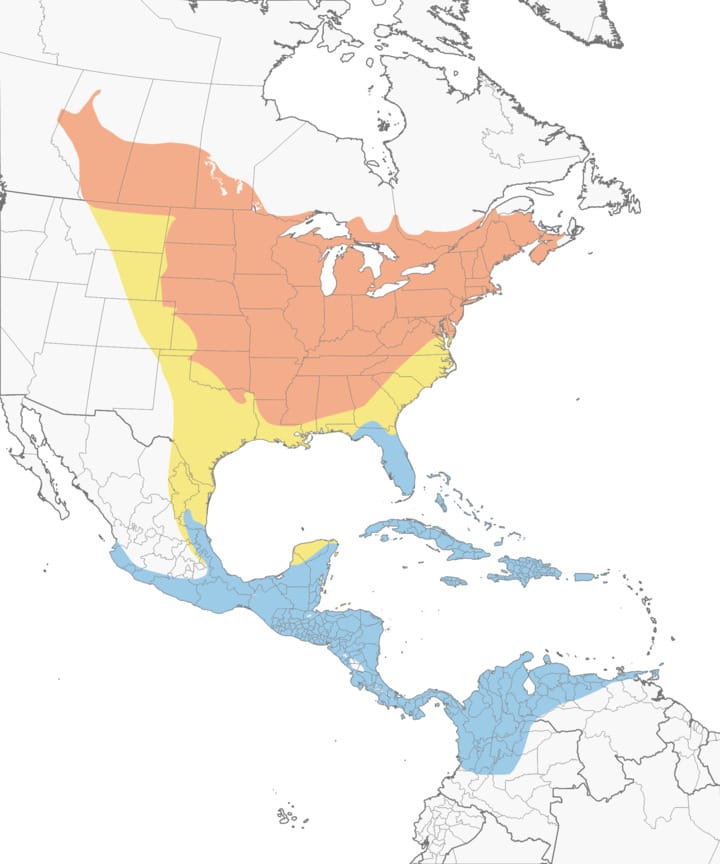
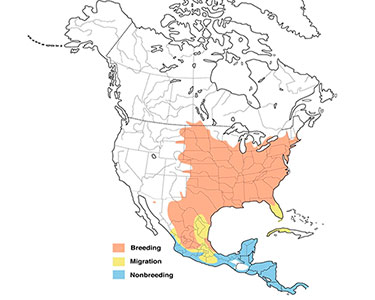
The oriole migration map reveals an incredible annual journey undertaken by some of North America's most colorful songbirds. Orioles, including the iconic Baltimore Oriole and the Western Bullock's Oriole, travel thousands of miles. They move from their northern breeding territories in the United States and Canada. These birds fly south to warmer climates in Mexico, Central America, and even parts of South America for the winter. This epic migration is driven by seasonal changes, primarily the availability of food sources like insects and ripe fruits. Understanding their migratory paths and timelines allows us to better appreciate and support these amazing creatures.
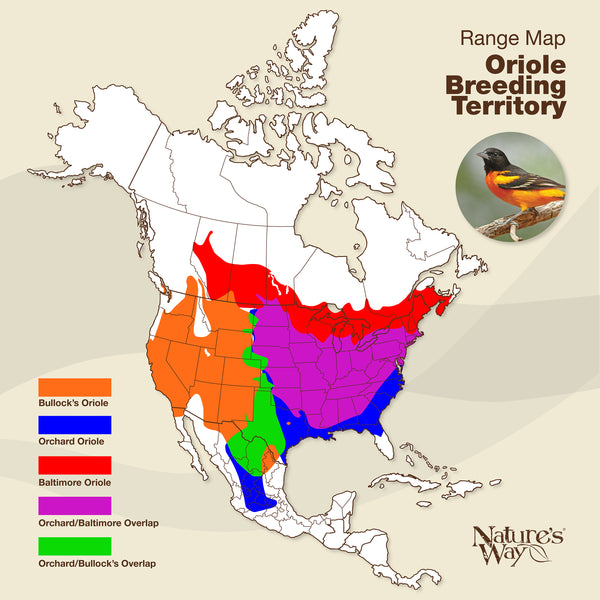
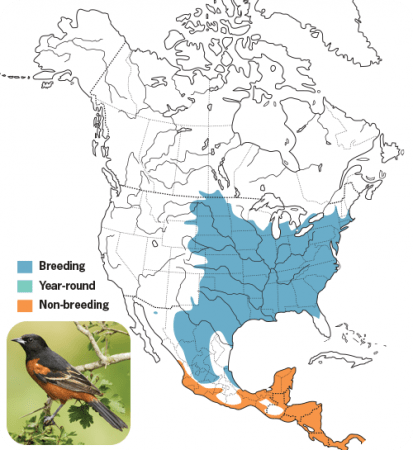
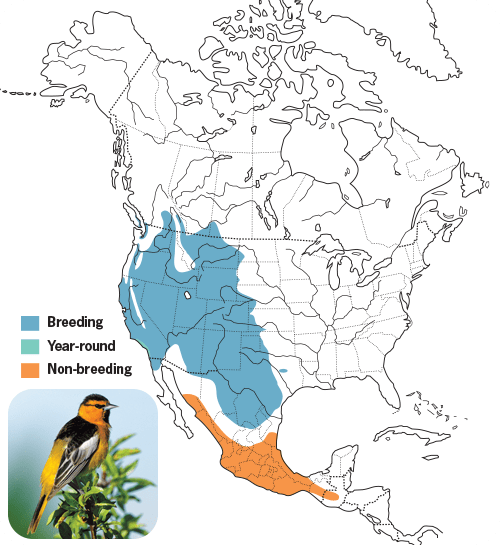
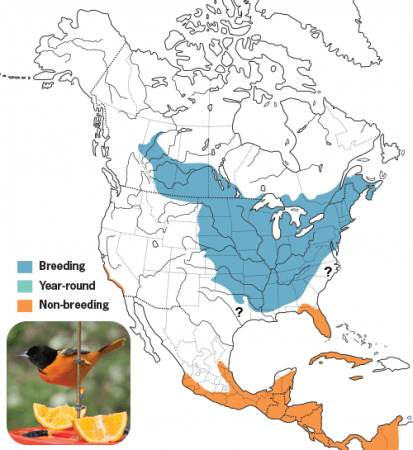
Oriole migration map patterns show distinct routes for different species. Baltimore Orioles, found predominantly in the eastern US, often follow routes along the eastern seaboard and across the Gulf of Mexico. Meanwhile, Bullock's Orioles, native to the western US, typically head south through Mexico. These journeys are not without challenges, facing predators, harsh weather, and habitat loss. Birdwatchers across the US eagerly anticipate their spring arrival and fall departure. Providing appropriate feeders and fresh water can greatly assist these weary travelers during their long flights.
Understanding the Oriole Migration Map and Timing
Orioles are known for their striking orange and black plumage, making them a delight to spot. The oriole migration map highlights key dates for their movements. Spring migration sees orioles returning to their breeding grounds, usually from late April through May. Fall migration begins earlier, often starting in late July and continuing through September. Young orioles may begin their southward journey before adults, guided by instinct. The exact timing can vary slightly based on weather conditions and geographical location. Warmer springs might encourage earlier arrivals, for instance.
When planning your birdwatching activities, it is helpful to consult the oriole migration map for your specific region. Many online resources and birding apps provide real-time migration data. This information helps predict when orioles might pass through your backyard. Attracting orioles during migration is simple; they love oranges, grape jelly, and nectar feeders. These high-energy foods provide vital fuel for their demanding journeys. Observing these birds offers a unique connection to the natural world. Their annual trek symbolizes resilience and the changing seasons.
Oriole Migration Map Key Facts
Orioles are truly remarkable travelers, covering immense distances each year. Their migratory behaviors are complex and crucial for survival. Let us explore some key facts related to the oriole migration map. These details help us appreciate their incredible feats. It also aids in understanding conservation efforts for their protection.
| Oriole Species | Breeding Grounds (USA) | Wintering Grounds | Typical Migration Season |
| Baltimore Oriole | Eastern US, Central Plains | Mexico, Central America, northern South America | Spring: late April-May; Fall: late July-September |
| Bullock's Oriole | Western US, Western Canada | Mexico, Baja California | Spring: late April-May; Fall: late July-September |
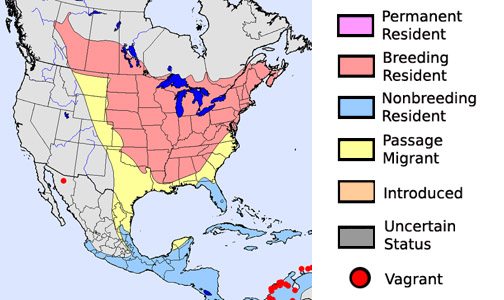
| Orchard Oriole | Eastern US, Central Plains | Mexico, Central America, northern South America | Spring: early April-May; Fall: July-August |
What Others Are Asking?
When do orioles migrate south from the US?
Orioles typically begin their southward migration from the United States in late July. This journey continues through August and September, depending on the specific species and their northernmost breeding locations. Young orioles often depart ahead of the adult birds. They head towards warmer wintering grounds in Mexico and Central America.
Where do orioles spend the winter on the oriole migration map?
Orioles spend their winters in various warm regions highlighted on the oriole migration map. Baltimore Orioles generally travel to Mexico, Central America, and northern South America. Bullock's Orioles typically winter in Mexico, especially Baja California. These tropical regions offer abundant insects and fruits for sustenance.
How long is the oriole migration map journey for these birds?
The oriole migration map journey can be thousands of miles long. For example, a Baltimore Oriole might travel over 2,000 miles from its Canadian breeding grounds to its wintering habitat in Colombia. This extensive flight demands significant energy reserves. They often stop at various points to refuel during this epic journey.
What attracts orioles during their migration through the US?
During their migration through the US, orioles are strongly attracted to specific food sources. They love nectar, especially from red or orange flowers, and readily visit feeders with sugar water. Oranges cut in half and grape jelly are also irresistible. Providing fresh water can further encourage them to stop by your yard.
Are orioles social during their migration?
Orioles are generally not highly social during their migration. While they may travel in loose flocks or join mixed-species feeding groups, they do not typically form large, cohesive migratory flocks like some other bird species. They often travel individually or in small family units, focusing on refueling and safe passage.
FAQ About Oriole Migration Map
Who tracks the oriole migration map?
Scientists, bird observatories, and citizen science programs track the oriole migration map. Organizations like eBird and the Cornell Lab of Ornithology collect data from bird banders and volunteer birdwatchers. This collaborative effort helps map their routes and understand population trends globally.
What is the primary reason for oriole migration?
The primary reason for oriole migration is to find food and suitable breeding grounds. As insect populations decline and temperatures drop in northern regions, orioles move south. They seek warmer climates with abundant food sources like insects and ripe fruits, ensuring their survival through winter.
Why is the oriole migration map important for conservation?
The oriole migration map is important for conservation because it highlights critical habitats and potential threats. Understanding their routes helps identify stopover sites and wintering grounds needing protection. This knowledge informs conservation strategies to ensure these vibrant birds have safe passages and healthy environments.
How can I help orioles during their migration?
You can help orioles during their migration by providing essential resources. Offer fresh orange halves, grape jelly, and sugar water in specialized oriole feeders. Ensure a clean water source, like a bird bath. Planting native berry-producing shrubs also offers natural food and shelter for these traveling birds.
Oriole migration map details their long journeys from North America to Central and South America. These colorful birds, like Baltimore and Bullock's Orioles, migrate annually, driven by food availability and breeding cycles. Understanding their routes and timing is crucial for birdwatchers and conservation efforts. Orioles typically depart northern breeding grounds in late summer and return in spring. Providing nectar and fruit can help support them during their taxing travels. Their migration is a truly awe-inspiring natural phenomenon.
The 3 Oriole Species In Florida W Range Maps Bird Watching HQ Orchard Oriole Range Map Bwhq Baltimore Oriole Migration Map Bird Migration Map Track Baltimore Oriole Return To New England 3a4cd675 632e 49f2 8832 Oriole High Res
All About Orioles And How To Attract Them Wild Birds Unlimited Wild Map Oriole Bullocks A Deep Dive Into The Oriole Genome Tackles The Mystery Of Map Narrow 3orioles Tealpurple Map2 720x530 Baltimore Oriole Overview All About Birds Cornell Lab Of Ornithology 39415391 720px 4 Types Of Orioles Found In Colorado 2026 Bird Watching HQ Bullocks Oriole Range Map Bwhq
Baltimore Oriole Audubon Field Guide Baltimore Oriole Map A Deep Dive Into The Oriole Genome Tackles The Mystery Of Map Baltimore Oriole South Dakota Birds And Birding Baltimore Oriole Map Small Baltimore Oriole Icterus Galbula Wildlife Journal Junior
Oriole Migration BAOR Bbs Heat Bullock S Oriole Audubon Field Guide Bullock 2527s Oriole Map 6 Common Bird Migration Questions Answered By Our Expert All About Birds Baltimore Oriole Migratio Virginia Greene FI 1280x960 How To Identify Orchard Orioles Birds And Blooms Orchard Oriole
Oriole Migration Baltimore Oriole Migration My Store Baltimore Oriole Migration Map Baltimore Oriole Birdfinding Info Baltimore Oriole Map1 Geographic Phenotypic And Genomic Variation In Baltimore And Geographic Phenotypic And Genomic Variation In Baltimore And Bullocks Orioles A An
4 Types Of Orioles Found In Colorado 2026 Bird Watching HQ Baltimore Oriole Range Map Bwhq Baltimore Oriole Migration A Complete Guide Birdfact Migrating Baltimore Orioles Migration Of The Oriole By Geoff Gibson On Dribbble Original Differences Between Baltimore And Orchard Orioles An Range Map Optimized 1.x46747
8 Types Of Orioles Found In The United States 2026 Bird Watching HQ Scotts Oriole Range Map Bwhq Baltimore Oriole Migration Map All About Orioles And How To Attract Them Wild Birds Unlimited Wild Map Oriole Orchard 413x450 Differences Between Baltimore And Orchard Orioles An Range Map Optimized 1.x96444
The 3 Oriole Species In Florida W Range Maps Bird Watching HQ Orchard Oriole 1 TRUST IN NATURE Migration Path Oriole All About Orioles And How To Attract Them Wild Birds Unlimited Wild Map Oriole Baltimore 413x450 Baltimore Oriole Migration Tracker Map Shows They Re Close Have
All About Orioles And How To Attract Them Wild Birds Unlimited Wild Map Oriole Hooded 413x450 How To Attract Orioles Nature S Way Bird Products Oriole Breeding Territory Map 600x600 Outside My Window Orcori Range Map V2021 En Science Ebird Baltimore Oriole Challenges Bird Migration Explorer Species Migrations