Have you ever wondered what neurosis means and why we hear less about it today? This insightful article delves into the historical and modern understanding of neurosis, explaining its significance in mental health discussions. We explore its origins, why its no longer a formal diagnosis, and what conditions it encompasses in contemporary psychology. Discover how recognizing the underlying concepts of neurosis can empower you to better understand emotional distress and seek appropriate support. This deep dive aims to demystify complex psychological terms, offering clarity on the journey toward mental well-being for anyone curious about their inner world. Understanding these foundational ideas allows us to connect with our experiences and those around us more profoundly, fostering a sense of shared humanity in our mental health journeys. We will explore how these concepts apply to everyday life, helping you navigate challenges with greater awareness and resilience. This comprehensive guide will illuminate the path to mental clarity, making complex ideas accessible and relatable.
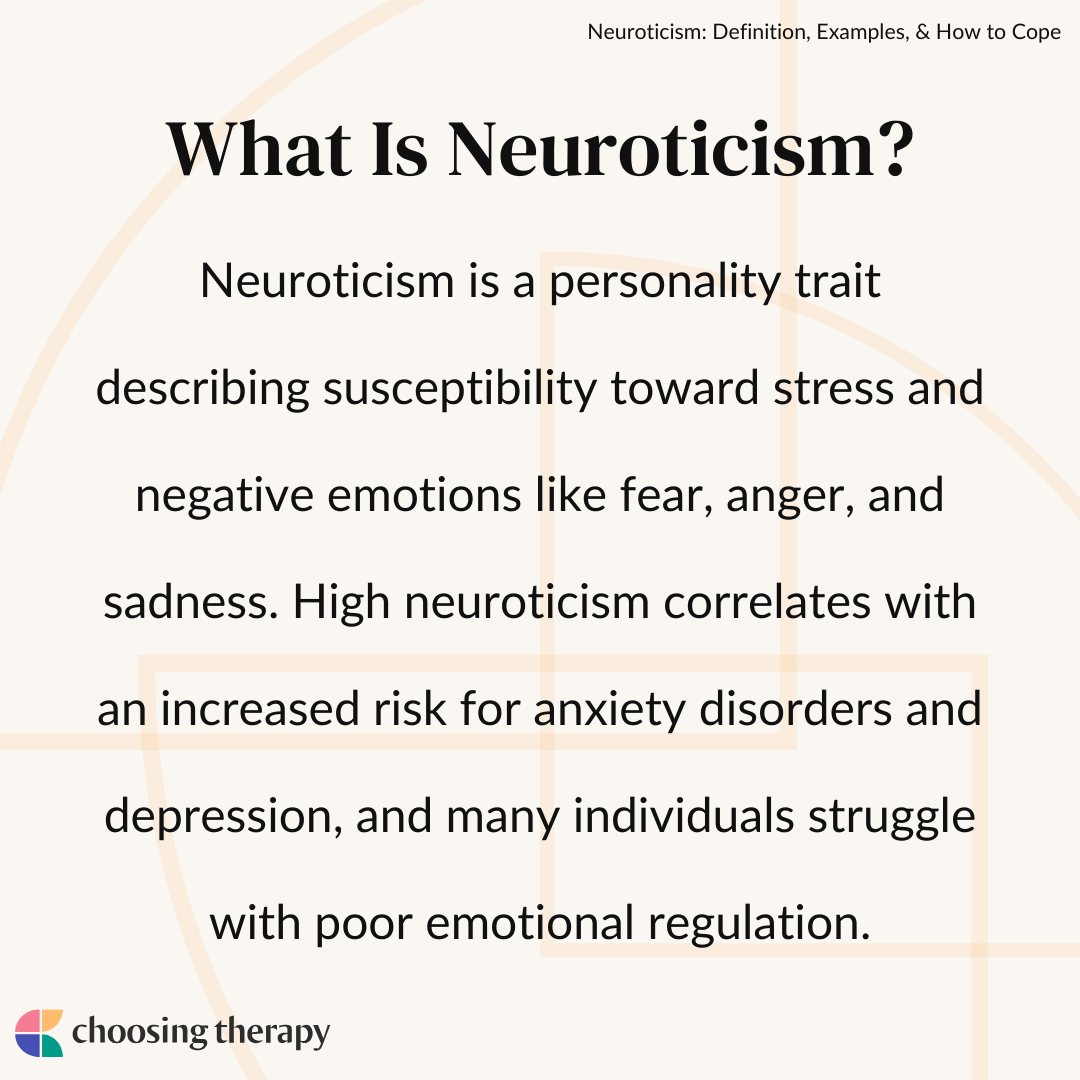
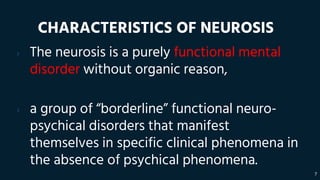
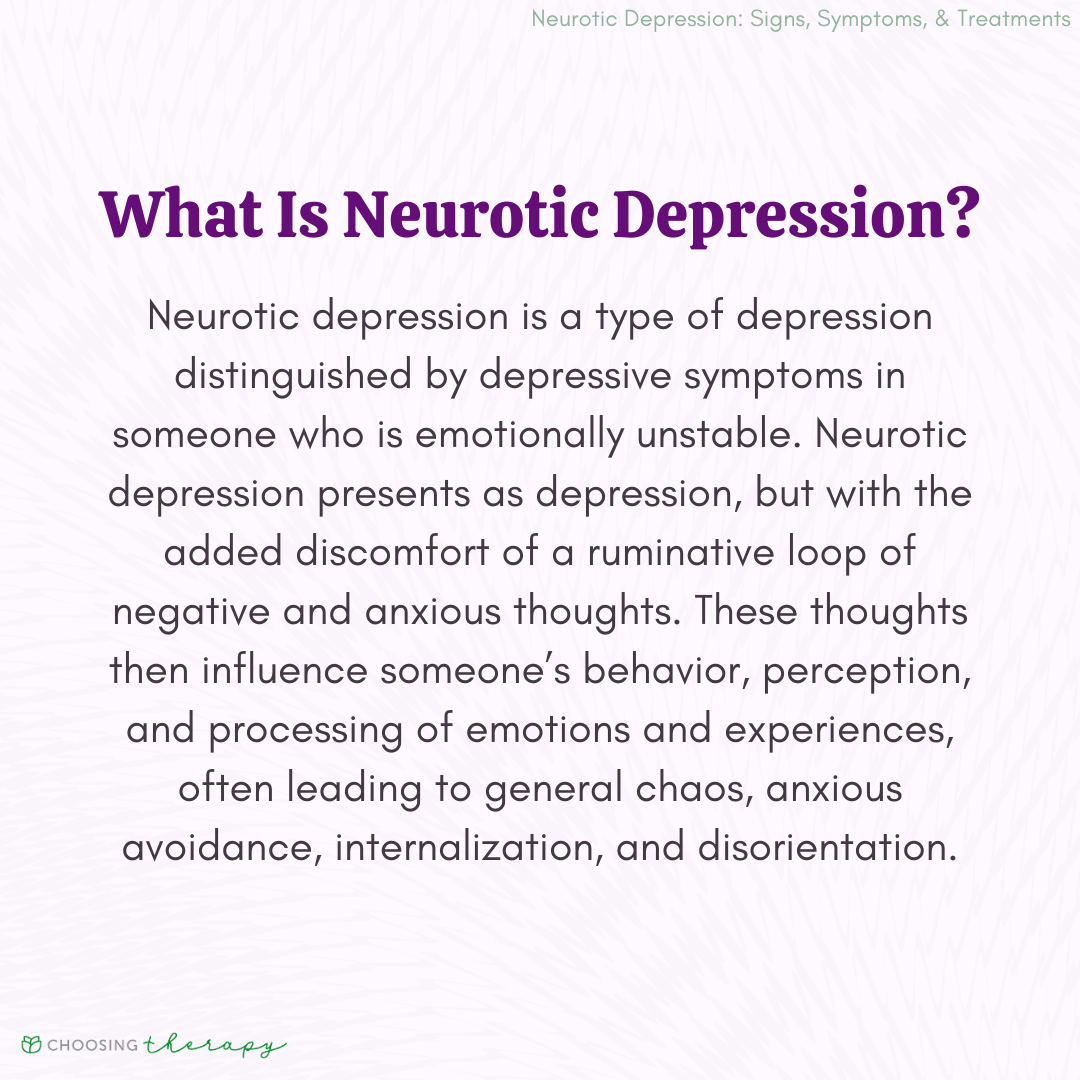
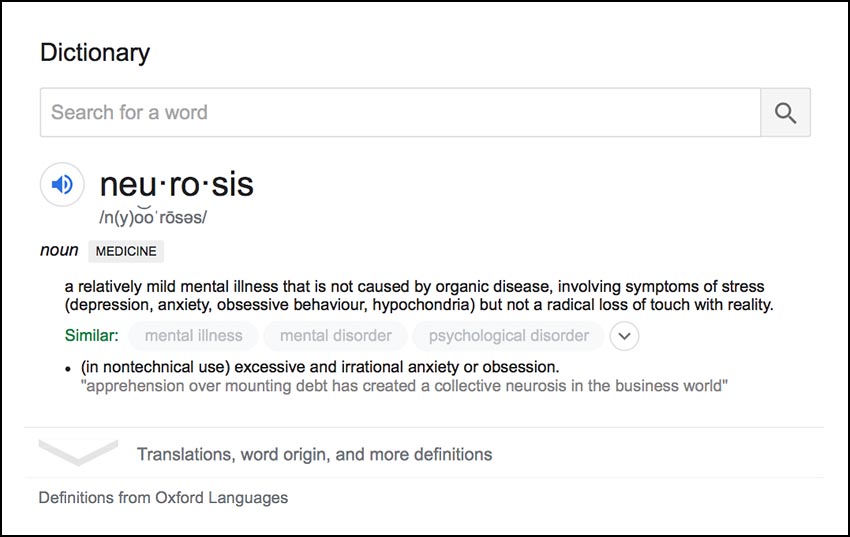
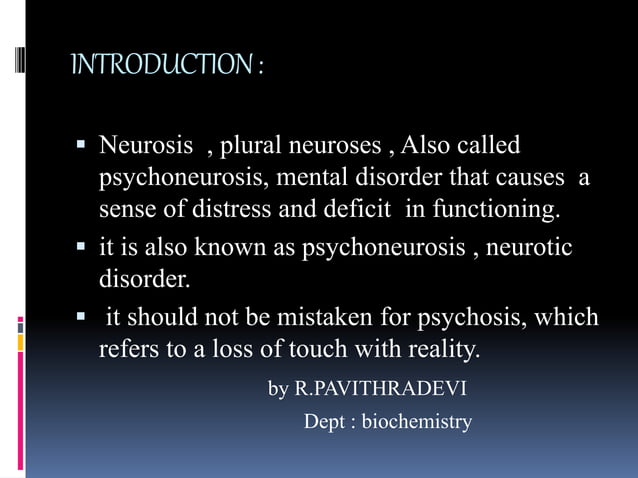
Have you ever found yourself asking, What does neurosis truly mean, and why does it sound like a concept from another era? It’s a great question, and understanding this term helps us navigate the evolving landscape of mental health. In essence, neurosis refers to a range of mental, emotional, or physical symptoms that involve distress but do not involve delusions, hallucinations, or other severe disturbances of thought that would indicate a loss of contact with reality. When we talk about neurosis, were really exploring a historical psychological concept primarily popularized in the late 19th and early 20th centuries by figures like Sigmund Freud. This term described conditions where individuals experienced significant emotional suffering – often anxiety, depression, or obsessive thoughts – yet could still function in society and recognize their own distress. It was, and still is conceptually, about how someones inner conflicts or unresolved psychological issues manifest as troubling symptoms in their everyday life, influencing their behavior and emotional responses without completely detaching them from reality. So, when did this term become so prominent, who used it, and how does it relate to our modern understanding of mental well-being?
What Does Neurosis Mean? Unpacking the Historical Roots
The term neurosis carries a significant weight of history, originating in 1769 with Scottish physician William Cullen, who used it to describe disorders of sense and motion caused by general affection of the nervous system without fever or local disease. Fast forward to the early 20th century, and figures like Sigmund Freud truly put neurosis on the psychological map, using it to categorize mental disorders characterized by distressing, non-psychotic symptoms arising from unconscious conflicts. For Freud, neurosis was a central concept, explaining how unresolved childhood experiences or repressed desires could manifest as anxiety, phobias, or obsessions in adulthood. He theorized that these internal battles, often hidden from conscious awareness, would surface as uncomfortable symptoms, prompting individuals to seek relief. This historical context is vital because it shaped our early understanding of mental distress, influencing how countless individuals and professionals approached psychological suffering for decades. Why was this concept so pivotal? Because it offered a framework for understanding complex human suffering that didnt involve obvious physical ailments, suggesting that our minds held powerful, unseen forces at play. Understanding this historical perspective allows us to appreciate the journey of mental health concepts and how they have evolved to better serve us today.
What Does Neurosis Mean Today? A Modern Perspective
So, if neurosis was such a foundational term, what does neurosis mean in todays mental health lexicon? The truth is, you wont find neurosis listed as a formal diagnosis in the Diagnostic and Statistical Manual of Mental Disorders (DSM-5), which is the standard guide for mental health professionals in the United States. The term was phased out primarily because it was considered too broad and lacked the specificity needed for effective diagnosis and treatment. Instead, the conditions that would have once fallen under the umbrella of neurosis are now categorized into more precise diagnoses like Generalized Anxiety Disorder, Panic Disorder, Obsessive-Compulsive Disorder (OCD), various phobias, and some forms of depression. These modern classifications allow for a more targeted approach to understanding and treating specific symptoms, which ultimately benefits individuals seeking help. Why did this shift occur? It reflects a greater scientific understanding of the brain and behavior, pushing for more empirical and less theoretical frameworks in clinical practice. This evolution means that while the word neurosis might feel like an old friend in psychological discussions, its components have been meticulously re-examined and re-classified to offer clearer pathways to recovery and well-being. This shift helps ensure that everyone receives the most accurate and effective care for their unique experiences, moving us toward a more precise and empathetic approach to mental health.
What Does Neurosis Mean for Your Well-being? Recognizing the Signs
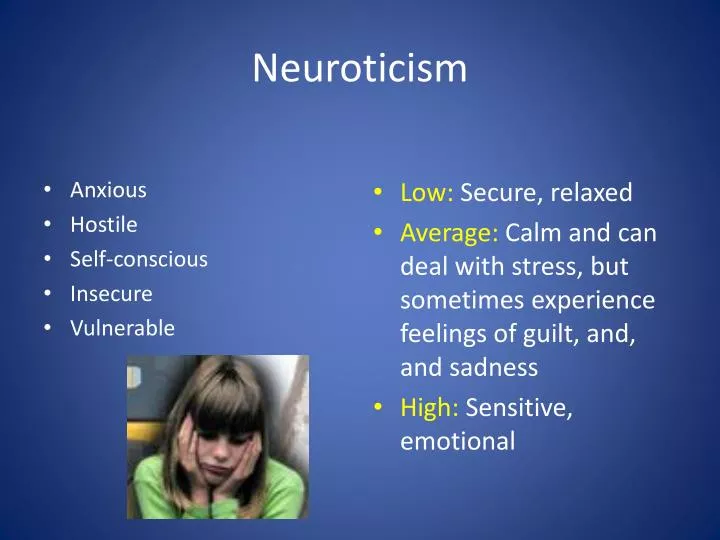
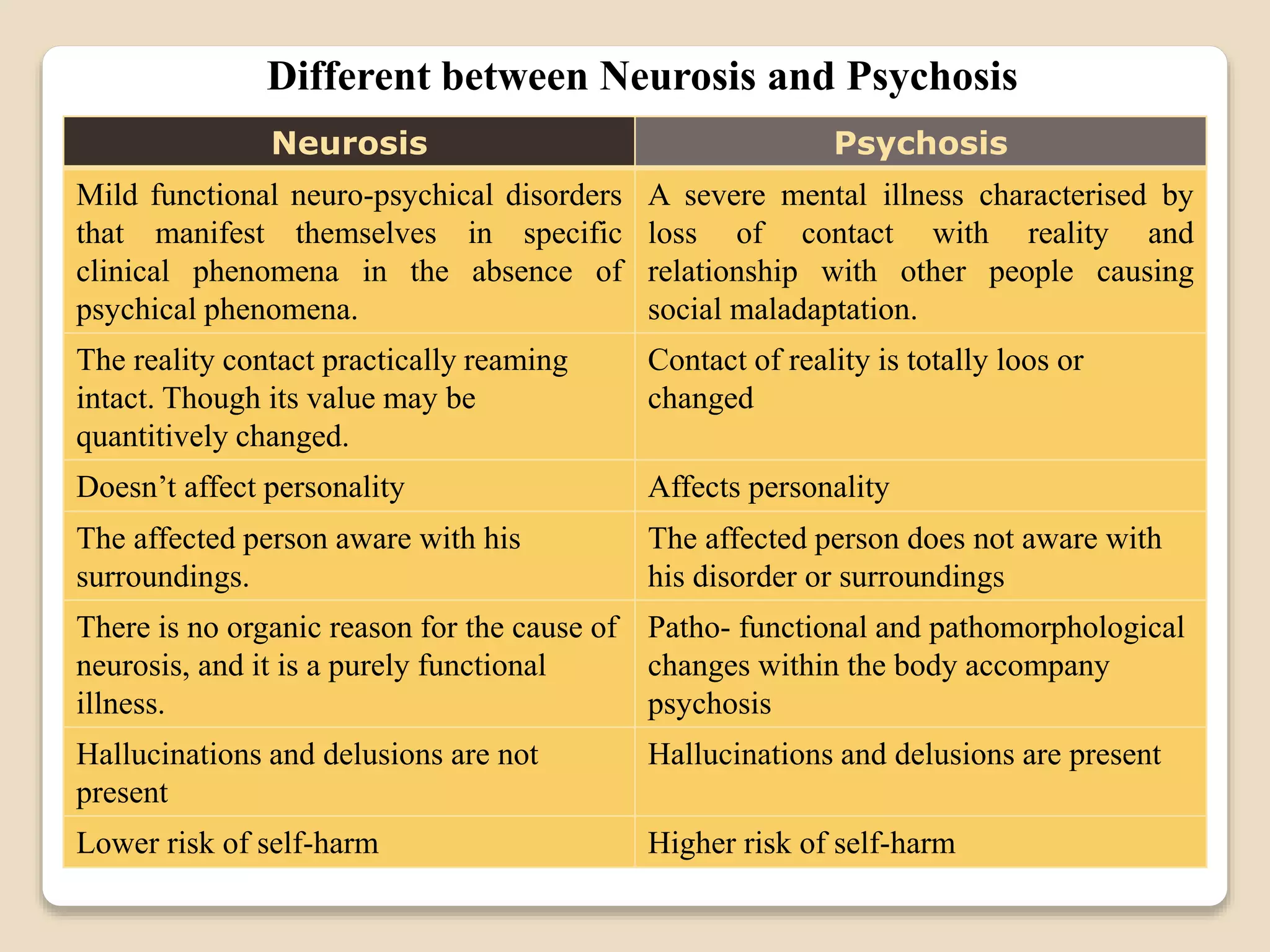
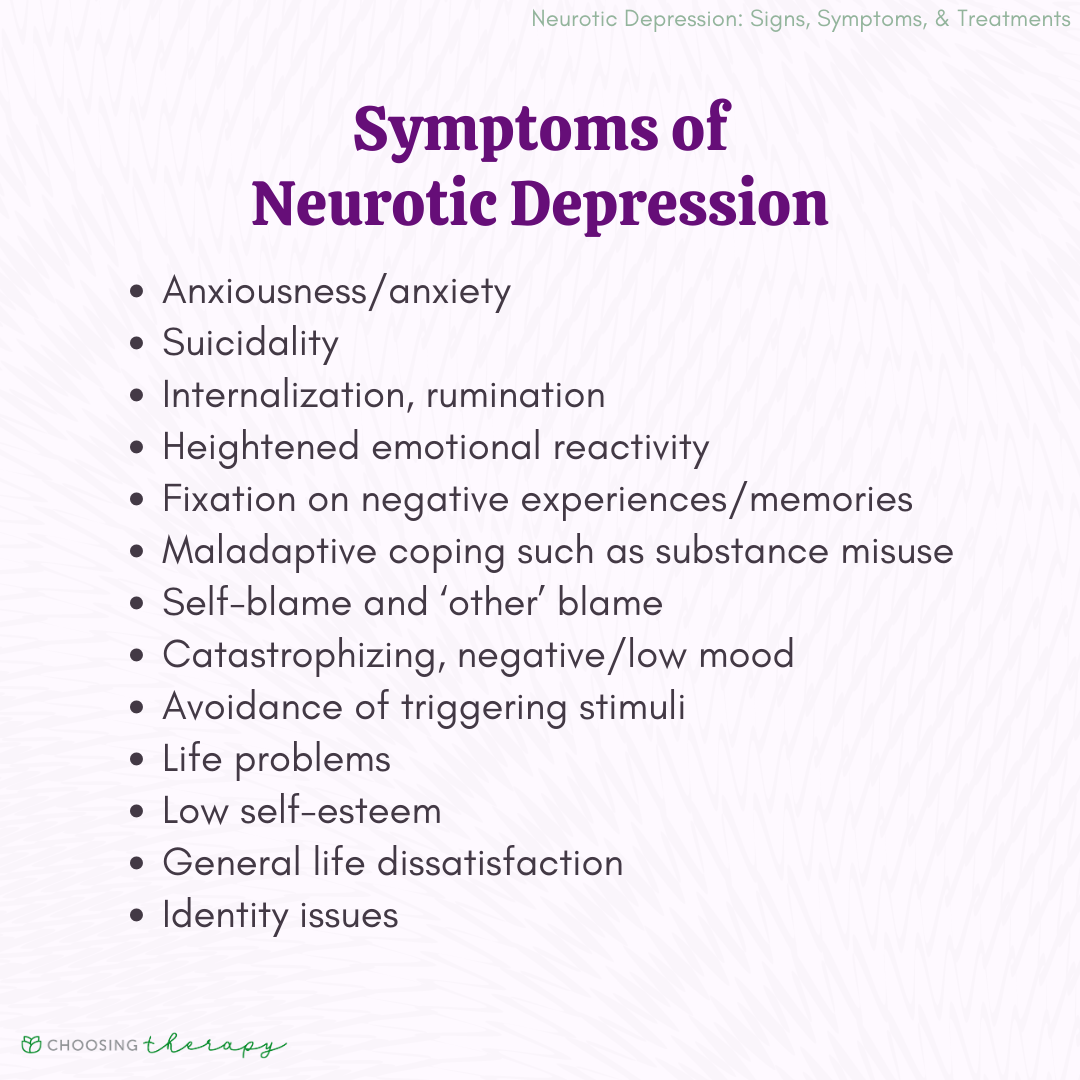
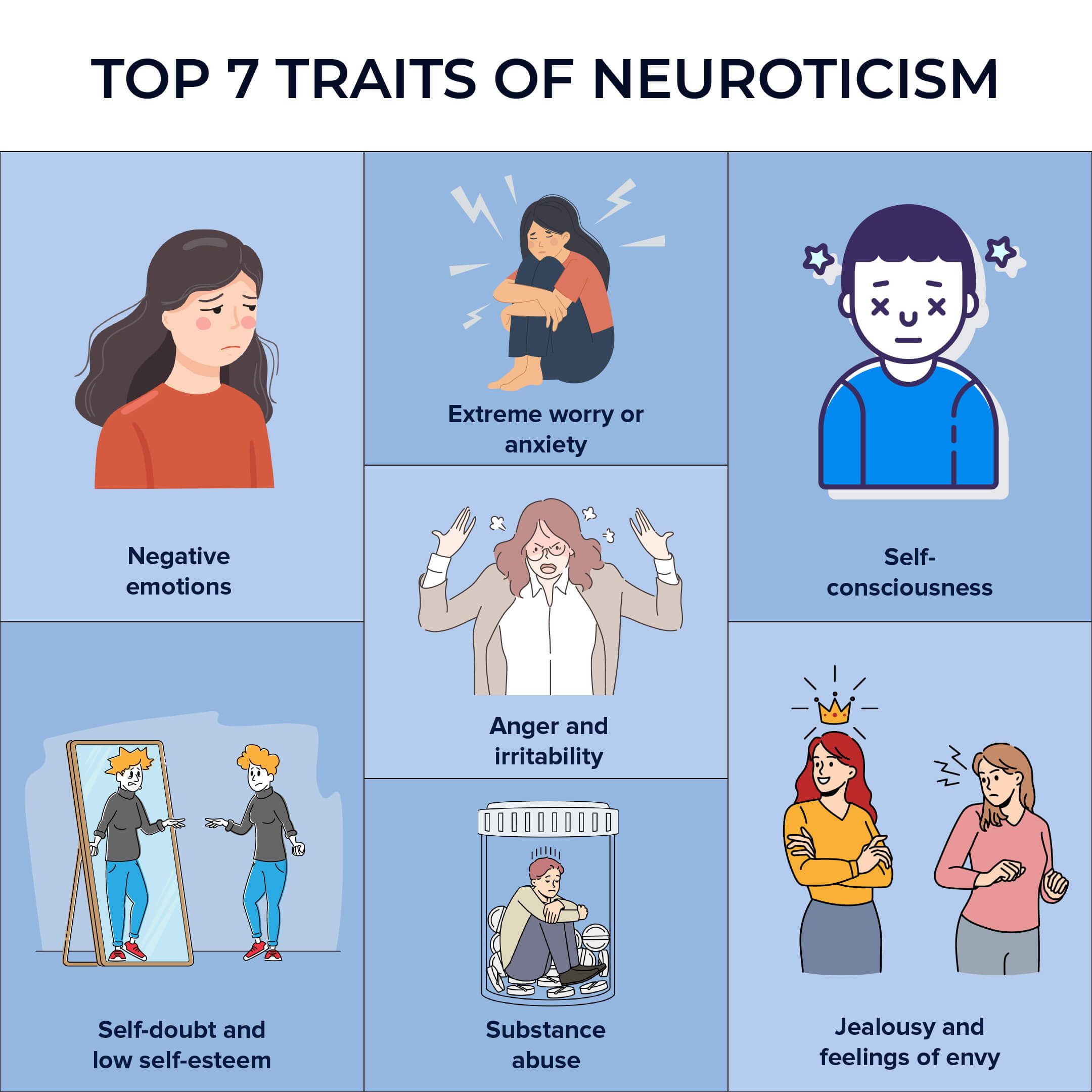
Even though neurosis is no longer a diagnostic label, understanding what it encompassed can still be incredibly helpful in recognizing patterns of emotional distress in yourself or others. What are some of the signs that were historically linked to neurotic conditions? You might observe persistent anxiety, excessive worry, feelings of sadness or hopelessness, irrational fears (phobias), obsessive thoughts, compulsive behaviors, or even physical symptoms like fatigue or headaches that have no apparent medical cause. These symptoms, while distressing, typically do not disrupt a persons grasp on reality. They know something isnt quite right, and they often desperately want to feel better. The key distinction from more severe conditions, like psychosis, is that individuals experiencing neurotic symptoms maintain a sense of reality and often recognize that their thoughts or behaviors are irrational or problematic. How do these symptoms impact daily life? They can significantly interfere with relationships, work, hobbies, and overall enjoyment of life, creating a constant struggle. Recognizing these underlying patterns, regardless of the outdated label, is the first step toward seeking support and making positive changes. When you notice these feelings affecting your quality of life, its a clear signal that it might be time to explore how you can regain your sense of peace and balance.
What Does Neurosis Mean for Treatment and Support? Finding Your Path
If you or someone you care about is experiencing symptoms that resonate with the historical description of neurosis – persistent anxiety, overwhelming sadness, or intrusive thoughts – what should you do? The good news is that significant progress has been made in effective treatments for these conditions. Modern approaches focus on specific therapies, primarily psychotherapy (like cognitive-behavioral therapy or psychodynamic therapy) and sometimes medication, depending on the severity and nature of the symptoms. These treatments aim to help individuals understand the root causes of their distress, develop healthier coping mechanisms, challenge unhelpful thought patterns, and build resilience. Why is seeking professional help so important? Because mental health professionals can provide tailored strategies and support, helping you navigate these challenges and improve your overall quality of life. You dont have to carry these burdens alone. Many resources are available, from individual therapy and support groups to online tools and educational materials. Taking that initial step to reach out is a powerful act of self-care and empowerment, opening the door to a brighter, more balanced future. Remember, understanding what neurosis meant historically helps us appreciate the advanced and empathetic care available today, ensuring that everyone has the opportunity to thrive.
| Aspect | Historical Understanding | Modern Understanding |
|---|---|---|
| Definition | Mental disorders with emotional distress, no loss of reality. | Refers to underlying symptoms now categorized as specific disorders. |
| Diagnostic Status | Formal diagnostic category (e.g., in Freudian theory). | No longer a formal diagnosis in DSM-5. |
| Key Characteristics | Anxiety, phobias, obsessions, depression; recognized as problematic. | Symptoms classified as anxiety disorders, mood disorders, OCD, etc. |
| Causation (Historical) | Unconscious conflicts, repressed desires, early life experiences. | Complex interplay of genetics, brain chemistry, environment, trauma. |
| Treatment Focus | Psychoanalysis to uncover unconscious conflicts. | Evidence-based therapies (CBT, psychodynamic), medication, holistic approaches. |
| Impact on Reality | Retained sense of reality; distress acknowledged by individual. | Retained sense of reality; symptoms cause significant distress/impairment. |
What Does Neurosis Mean for a Stronger You? Embracing Self-Awareness
Ultimately, understanding what neurosis meant, and how its concepts have evolved, empowers you to be more aware of your own mental and emotional landscape. It teaches us that emotional distress, even when it feels overwhelming, doesnt mean youve lost your grip on reality. Instead, it signals internal conflicts or unmet needs that deserve attention and care. When you recognize signs of persistent worry, sadness, or struggle, youre not seeing a neurosis in the old sense, but rather an opportunity for growth and healing. How can this understanding help you foster a stronger, more resilient self? By encouraging you to listen to your internal signals, seek knowledge, and confidently pursue support when needed. Its about taking charge of your mental well-being, breaking down old stigmas, and embracing the journey of self-discovery and improvement. This perspective shifts the narrative from labeling to empowering, encouraging everyone to understand their unique experiences and to proactively build a life filled with greater peace and purpose. What truly matters is recognizing that asking for help is a sign of strength, not weakness, and that a rich, fulfilling life is within your reach when you commit to understanding and nurturing your inner world.
What does neurosis mean for us today? It means we have more precise tools and a deeper understanding to address the complex emotional distress that people experience, allowing for more effective and compassionate care. Keywords: what does neurosis mean, neurosis explanation, mental health history, modern psychology, emotional well-being, anxiety understanding, psychological terms.
Historical term, Not a modern diagnosis, Emotional distress without psychosis, Underlying conditions now classified as anxiety/mood disorders, Focus on therapy and coping strategies, Understanding its roots aids mental health awareness.
Neurotic Behavior Meaning 5 Tips To Cope Sandstone Care Neurotic Disorders Definition Infographic 1200x600 Symptoms Of Neurosis FHE Health FHE Health Neurosis Mental Health Symptoms Big 5 Personality Traits Big 5 Neuroticism
Neurosis Definition Symptoms Causes And Treatment Neurosis Definition 5189476 V1 Neurosis Neurosis Definition Footage 094829148 Prevstill Neuroses And Neuroticism Differences Types And Treatment 55 OFF How Can I Recognise Types Of Neurotic Disorders Muscle Bound What Does It Mean CyVigor What Does Muscle Aponeurosis Mean
The Facts You Need To Know About Neurosis Kuchenna What You Need To Know About Neurosis Neurosis PPTX Brain And Nervous System Disorders Diseases And Neurosis 3 638 Pin On Character Muscle Aponeurosis What Does It Mean CyVigor What Does Muscle Aponeurosis Mean
Neurotic Behavior Meaning 5 Tips To Cope Sandstone Care Symptoms Of A Neurotic Disorder Infographic 1200x600 Anxiety Neurosis 7 Top Points You Never Knew GoodLives Anxiety Neurosis Article 1 PPT Neuroticism PowerPoint Free Download ID 1999285 Neuroticism N What Will 2026 Be Like According To Numerology Numerology 5
What Is Kennel Neurosis At Stanley Blake Blog Neurosis Anatomy Its Causes And Effects Projected On A Human Brain Revealing Neurosis Complexity And Relation To Human Mind Concept Art 3d Illustr 2J25G44 What Is Kennel Neurosis At Stanley Blake Blog Main Neurosis What Does Take It With A Grain Of Salt Mean 2026 What Does Causation Mean.webpNeuroses And Neuroticism Differences Types And Treatment 55 OFF Hq720
Neurosis Psychology 3 8 Neurosis Psychology Define Neurosis Neurotic Behavior Meaning 5 Tips To Cope Sandstone Care Neurotic Anxiety Definition Infographic 1536x768 Neurosis Psychology 4 8
What Is Neuroticism How Does It Shape Everyday Thoughts And Emotions 6 What Does Amiable Mean 2026 What Does Dnr Mean In Medical Terms.webpWhat Is Neurosis Meaning Signs And Treatments What Is Neurosis 300x205 Neurosis And Psychosis PPTX Neurosis And Psychosis 8 2048
What Is Neuroticism Neurosis PPTX Neurosis 7 320 And Neuroticism What S The Discussing 3 Tips For Becoming Less Neurotic What Does It Mean When Someone Calls You Neurotic Simon Sherry Ph D
Neurotic Person Traits Of Neuroticism .optimal What Does Amiable Mean 2026 What Does Ns Mean.webpDifference Between Neurosis And Psychosis BYJU S Difference Between Neurosis And Psychosis

:max_bytes(150000):strip_icc()/neurosis-definition-5189476_v1-6310553c224343faa77b418286b2774b.jpg)