Have you ever pondered the extensive education and rigorous training required to become a licensed chiropractor, ready to guide individuals toward better health? The journey to becoming a Doctor of Chiropractic (DC) is a testament to dedication, demanding years of intensive academic and clinical preparation. This comprehensive process ensures that practitioners possess an in-depth understanding of human anatomy, physiology, neurology, and diagnostic sciences. It’s a path that molds individuals into highly skilled healthcare providers, capable of assessing complex musculoskeletal conditions, delivering precise care, and promoting holistic well-being. From foundational undergraduate sciences to advanced clinical internships and national board examinations, every stage is meticulously designed to equip chiropractors with the expertise needed to safely and effectively serve their communities. This article explores the full scope of what training does a chiropractor need, detailing the educational milestones, licensing requirements, and the ongoing commitment to professional development that defines this vital health profession. Discover why such thorough preparation is not just a requirement, but a profound commitment to patient safety and quality care, empowering individuals to make informed choices about their health and the practitioners they trust.
Have you ever wondered what training does a chiropractor need to become a licensed professional, ready to help individuals navigate their health journeys? When we consider the hands-on nature of chiropractic care and its profound impact on well-being, it becomes clear that aspiring chiropractors undertake a significant and rigorous educational path. This journey typically spans several years post-undergraduate studies, culminating in a Doctor of Chiropractic (DC) degree. It involves intensive classroom learning, extensive laboratory work, and a substantial amount of supervised clinical experience. This comprehensive training ensures that professionals are equipped with the intricate knowledge of anatomy, physiology, neurology, and diagnostic skills necessary to accurately assess and treat musculoskeletal conditions. Why is such a demanding curriculum put in place? Simply put, to safeguard public health, ensure effective care, and build trust in the chiropractic profession. Where do they gain this expertise? At accredited chiropractic colleges across the nation. How does one embark on this rewarding career? By committing to a demanding academic schedule and passing stringent national and state board examinations, proving their competence and dedication to patient care. This foundational training is not merely a collection of courses but a transformative process, shaping individuals into highly skilled healthcare providers capable of delivering precise, patient-centered care and fostering better health outcomes for communities everywhere.
Understanding What Training Does a Chiropractor Need for a Fulfilling Career
Delving into what training does a chiropractor need reveals a commitment far beyond a simple certification. When aspiring individuals consider this profession, they are committing to a deeply scientific and patient-focused educational journey. This journey begins long before they even step into a chiropractic college classroom. Typically, an individual must first complete a bachelors degree, often with a strong emphasis on science courses such as biology, chemistry, and physics. This foundational knowledge is absolutely crucial, forming the bedrock upon which all subsequent chiropractic education is built. Why is such a robust scientific background essential? Because chiropractors are primary healthcare providers who diagnose and treat complex conditions related to the nervous, muscular, and skeletal systems, particularly the spine. Understanding the intricate workings of the human body at a cellular and systemic level allows future chiropractors to grasp the nuances of health and disease, appreciate the efficacy of their interventions, and make informed clinical decisions. Without this comprehensive preparation, the advanced studies required for the Doctor of Chiropractic degree would simply not be possible, highlighting the pivotal role of undergraduate rigor in shaping competent practitioners who genuinely understand the human body and its remarkable capabilities for healing and adaptation.
The Foundation: Undergraduate Education and Prerequisites for What Training Does a Chiropractor Need
To embark on the path of what training does a chiropractor need, a prospective student typically begins with a robust undergraduate education. While a specific major is not always mandated, most chiropractic colleges require applicants to have completed at least 90 semester hours, and often a full bachelors degree, with a significant number of these credits in life and physical sciences. For instance, students usually need to complete coursework in general chemistry, organic chemistry, biology, physics, and sometimes even psychology or statistics. Why are these specific courses so vital? They provide the essential scientific literacy and critical thinking skills needed to understand the advanced medical concepts taught in chiropractic programs. Imagine trying to comprehend complex neurological pathways or biomechanical principles without a solid grasp of basic biology or physics; it would be incredibly challenging. This undergraduate phase isnt just about accumulating credits; its about developing a scientific mindset, learning how to analyze information, conduct research, and lay a strong academic groundwork. Where do students gain these prerequisites? At accredited universities and colleges across the country, ensuring a standardized level of preparation before they move on to the specialized, intensive studies that define chiropractic education, ultimately preparing them to effectively serve their future patients with confidence and competence.
The Rigorous Doctor of Chiropractic (DC) Program for What Training Does a Chiropractor Need
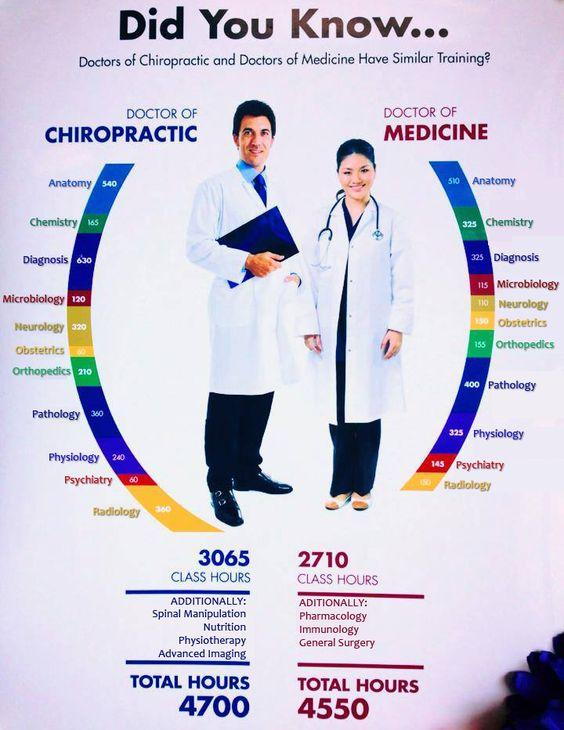
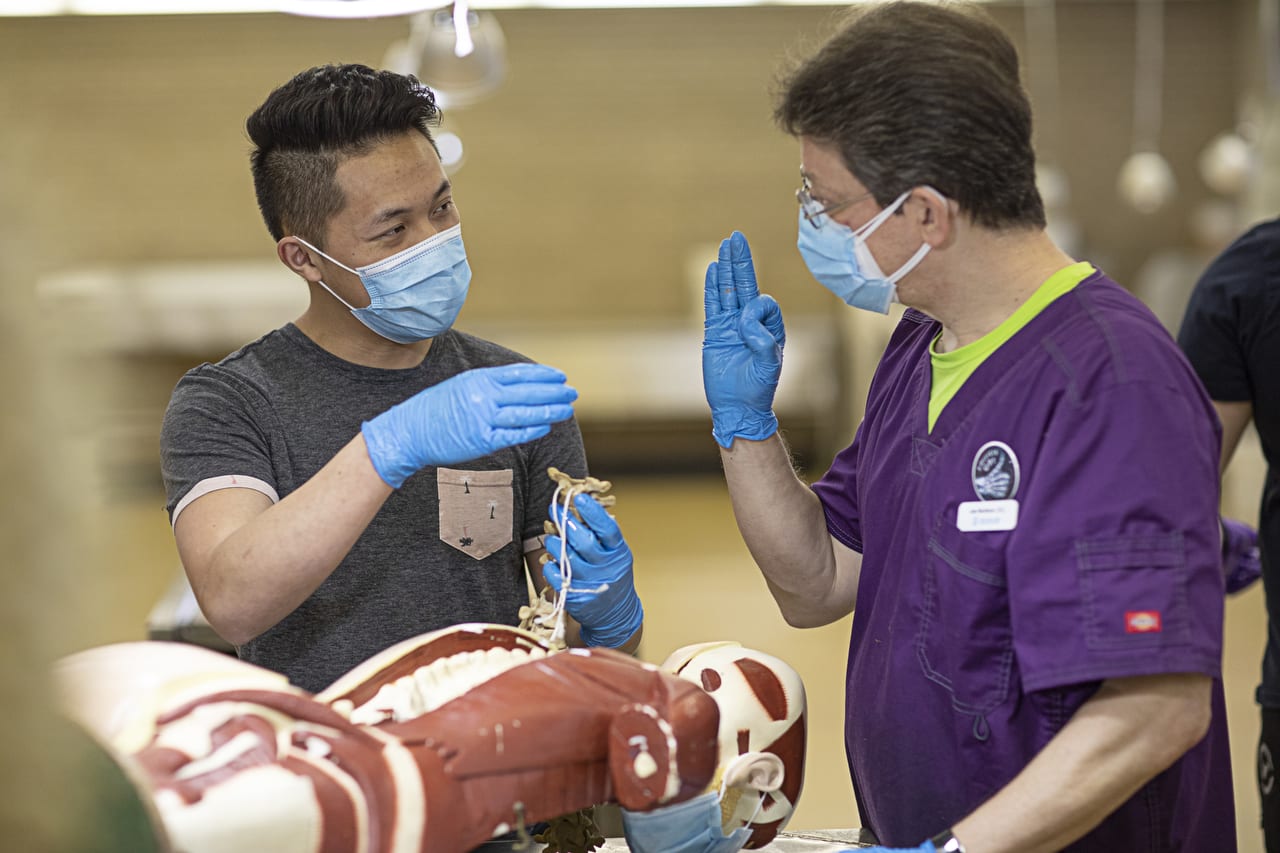
The core of what training does a chiropractor need unfolds within the Doctor of Chiropractic (DC) program, a demanding postgraduate degree that typically spans four to five years, including a comprehensive internship. This program is academically equivalent to other doctoral-level health professions, involving approximately 4,200 hours of classroom, laboratory, and clinical experience. What does this extensive curriculum encompass? Students delve deeply into subjects such as gross anatomy, neuroanatomy, physiology, biochemistry, microbiology, pathology, public health, and toxicology. They also acquire specialized knowledge in spinal biomechanics, adjustive techniques, diagnostic imaging (including X-ray interpretation), nutrition, and rehabilitation. Why is such an intensive and broad curriculum necessary? Because chiropractors are primary contact providers, meaning patients can often see them without a referral, making accurate diagnosis and the ability to differentiate between conditions that can be treated chiropractically and those requiring referral crucial. The program integrates scientific inquiry with practical, hands-on skills, ensuring that graduates not only understand the theoretical underpinnings of chiropractic care but also possess the clinical dexterity and diagnostic acumen to apply their knowledge effectively and safely, ultimately guiding patients toward improved health and mobility.
What Core Subjects Are Covered in Chiropractic Training?
When we examine what training does a chiropractor need, the curriculum covers a vast array of subjects designed to produce well-rounded, competent healthcare professionals. These core subjects ensure that every graduating chiropractor possesses a deep understanding of the human body and effective treatment strategies.
Anatomy and Physiology: A comprehensive study of the bodys structure and how it functions, from cellular levels to organ systems, emphasizing musculoskeletal and nervous systems.
Neuroscience: Detailed exploration of the brain, spinal cord, and peripheral nerves, understanding how they influence health and disease.
Pathology: The study of diseases, their causes, mechanisms, and effects on the body, which is crucial for diagnosis and patient management.
Biomechanics and Kinesiology: Focus on the mechanics of body movement, particularly spinal function, and how it impacts overall health.
Diagnostic Imaging: Training in interpreting X-rays, MRIs, and other imaging techniques to accurately identify conditions and rule out contraindications.
Chiropractic Philosophy and Techniques: In-depth learning of various adjustive techniques, their application, and the underlying principles of chiropractic care.
Clinical Sciences: Courses in internal medicine, dermatology, orthopedics, and toxicology to ensure a broad diagnostic capability.
Rehabilitation and Nutrition: Education on therapeutic exercises, lifestyle counseling, and dietary recommendations to support patient recovery and wellness.
Licensing and Board Examinations: Essential Steps in What Training Does a Chiropractor Need
Upon completing the demanding Doctor of Chiropractic program, the journey of what training does a chiropractor need moves into the crucial phase of licensing. Before a chiropractor can legally practice, they must successfully navigate a series of rigorous examinations administered by the National Board of Chiropractic Examiners (NBCE). These national board exams are divided into several parts: Part I covers basic sciences; Part II focuses on clinical sciences, including general diagnosis, neuromusculoskeletal diagnosis, and diagnostic imaging; Part III assesses clinical competency in areas like case history, physical examination, and spinal analysis; and Part IV evaluates practical clinical skills, including diagnostic imaging interpretation and chiropractic technique. Additionally, many states require candidates to pass a physiotherapy exam. Why are these examinations so critically important? They serve as a standardized measure to ensure that all licensed chiropractors possess a minimum level of competence and knowledge necessary to practice safely and effectively. Beyond the national boards, each state has its own specific licensing requirements, which may include jurisprudence exams on state laws and regulations, background checks, and even interviews. This multi-layered examination and licensing process protects the public by verifying that every individual practicing chiropractic care has met the highest standards of education and clinical proficiency, reflecting the profound responsibility inherent in what training does a chiropractor need to be effective and trustworthy.
The Ongoing Commitment: Continuing Education for What Training Does a Chiropractor Need
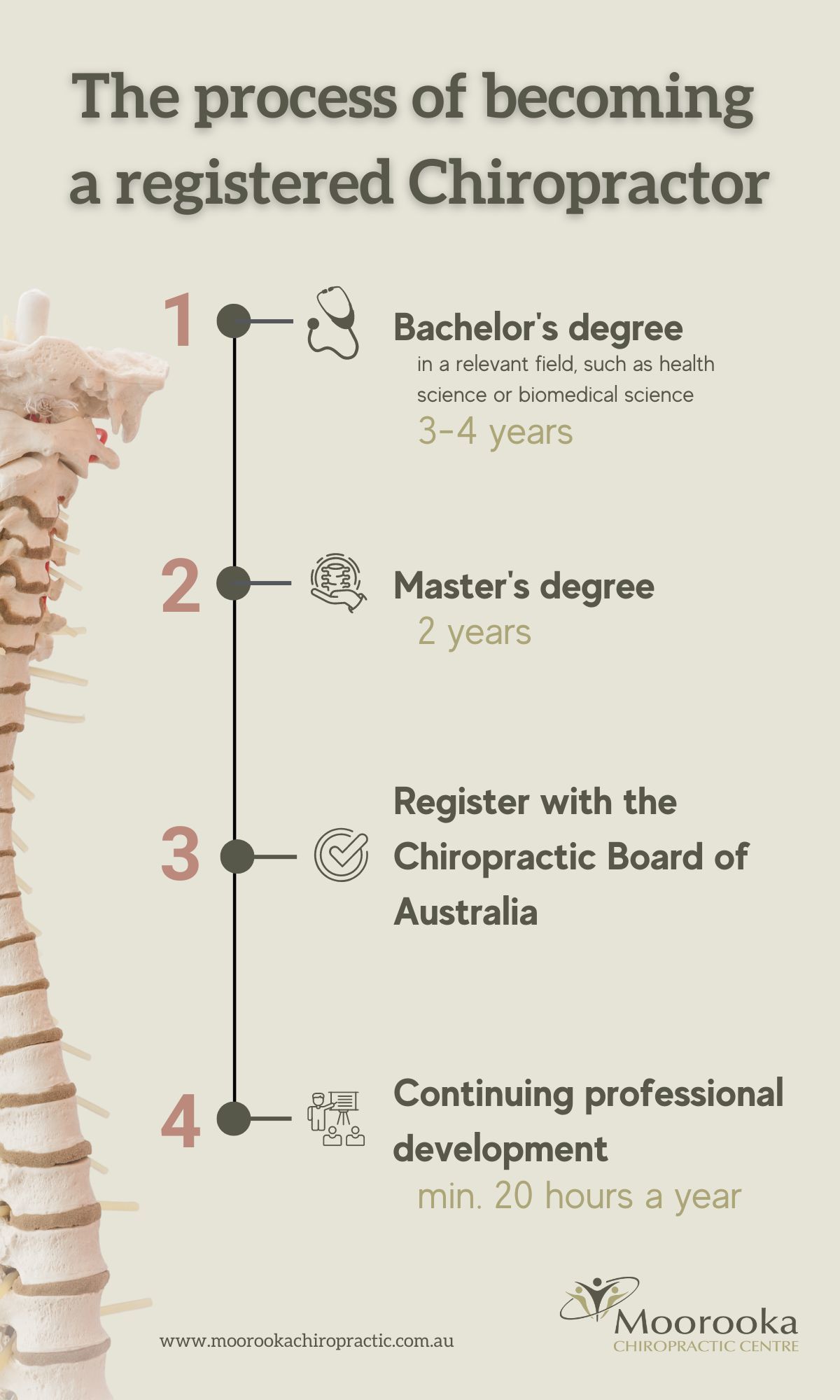
The completion of a DC degree and state licensure does not mark the end of what training does a chiropractor need; rather, it signals the beginning of a lifelong commitment to learning through continuing education (CE). Most, if not all, states mandate a certain number of continuing education hours annually or biennially for chiropractors to maintain their licenses. Why is this ongoing professional development so vital? The field of healthcare, including chiropractic, is constantly evolving with new research, improved techniques, and emerging best practices. By engaging in CE, chiropractors ensure they remain current with the latest advancements, refine their skills, and expand their knowledge base in areas such as advanced diagnostic methods, specialized adjustive techniques, nutrition, sports injuries, or rehabilitation. This continuous learning directly benefits patients, as it guarantees their chiropractor is employing the most effective and up-to-date treatment strategies available. Where do chiropractors pursue these CE opportunities? Through seminars, workshops, online courses, and professional conferences offered by chiropractic colleges, professional associations, and approved providers. This unwavering dedication to lifelong learning underscores the professionalism and commitment to excellence that defines the chiropractic profession, ensuring that practitioners continue to deliver the highest quality of care and remain at the forefront of health and wellness, reinforcing the comprehensive nature of what training does a chiropractor need.
| Educational Stage | Duration | Key Focus Areas | Purpose |
|---|---|---|---|
| Undergraduate Pre-requisites | 3-4 Years (Bachelors Degree) | Biology, Chemistry, Physics, Organic Chemistry, Anatomy | Establishes foundational scientific knowledge and critical thinking. |
| Doctor of Chiropractic (DC) Program | 4-5 Years (Postgraduate) | Gross Anatomy, Physiology, Neurology, Pathology, Diagnostic Imaging, Adjustive Techniques, Clinical Practice | Intensive study of human body, disease, diagnosis, and chiropractic treatment methods. |
| Clinical Internship/Externship | Integrated within DC Program (approx. 1 Year) | Hands-on patient care, diagnosis, treatment planning, practice management under supervision | Applies theoretical knowledge to real-world patient scenarios, develops clinical competency. |
| National Board Examinations (NBCE) | Parts I, II, III, IV, Physiotherapy Exam | Basic Sciences, Clinical Sciences, Clinical Competency, Practical Skills | Standardized assessment of knowledge and skills required for safe practice. |
| State Licensing | Varies by State | Jurisprudence Exam, Background Check, Specific State Requirements | Grants legal authority to practice chiropractic within a specific state. |
| Continuing Education (CE) | Ongoing (Annually/Biennially) | Advanced Techniques, Research Updates, Specialized Areas (e.g., Sports, Nutrition) | Ensures practitioners remain current with latest advancements and best practices, maintains license. |
Why is Such Extensive Training Necessary for a Chiropractor? Understanding What Training Does a Chiropractor Need for Patient Safety
Why is the answer to what training does a chiropractor need so extensive and rigorous? The depth of education and clinical experience is paramount for several critical reasons, all centered on patient safety and the delivery of effective healthcare. Firstly, chiropractors deal directly with the human spine and nervous system, incredibly complex and vital components of the body. Any intervention in these areas requires an intimate understanding of anatomy, physiology, and pathology to avoid harm and ensure beneficial outcomes. Where would patients be without this detailed knowledge? Potentially at risk. Secondly, chiropractors are primary contact providers, meaning they often conduct the initial assessment of a patients condition. This role demands exceptional diagnostic skills to accurately identify musculoskeletal issues, differentiate them from conditions requiring referral to other specialists, and formulate appropriate care plans. How can a chiropractor earn trust? By demonstrating competence through their comprehensive training. Thirdly, the holistic nature of chiropractic care, which often includes lifestyle advice, nutritional guidance, and rehabilitative exercises, requires a broad medical knowledge base. This extensive training ensures that chiropractors are not merely technicians performing adjustments, but highly skilled health professionals capable of contributing significantly to their patients overall health and wellness, fostering confidence and successful recovery.
Real-World Application and Clinical Experience in What Training Does a Chiropractor Need
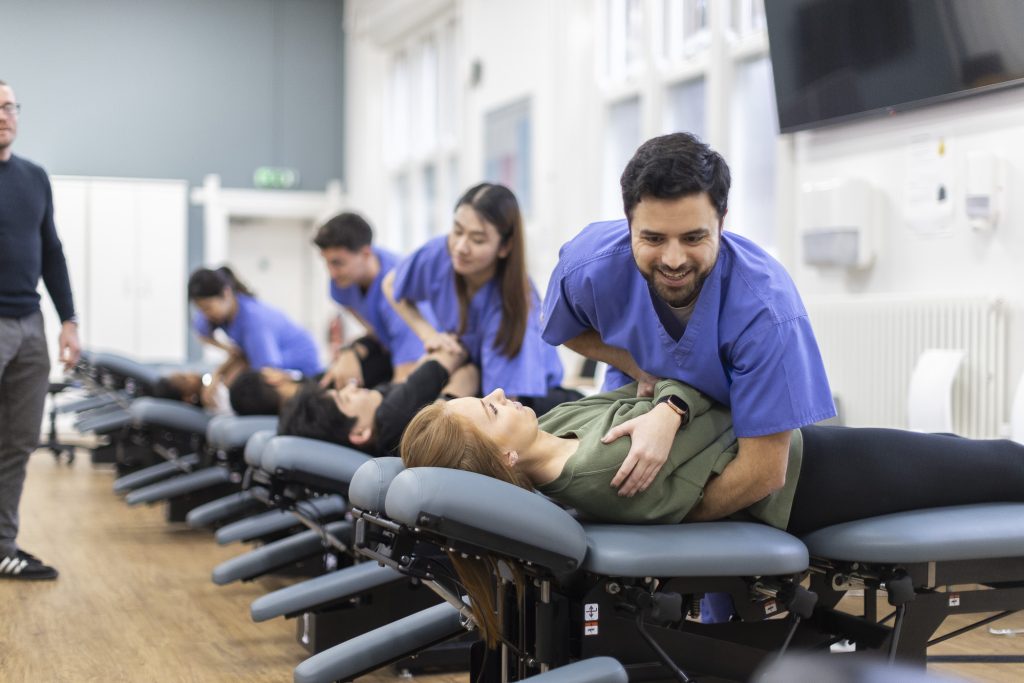
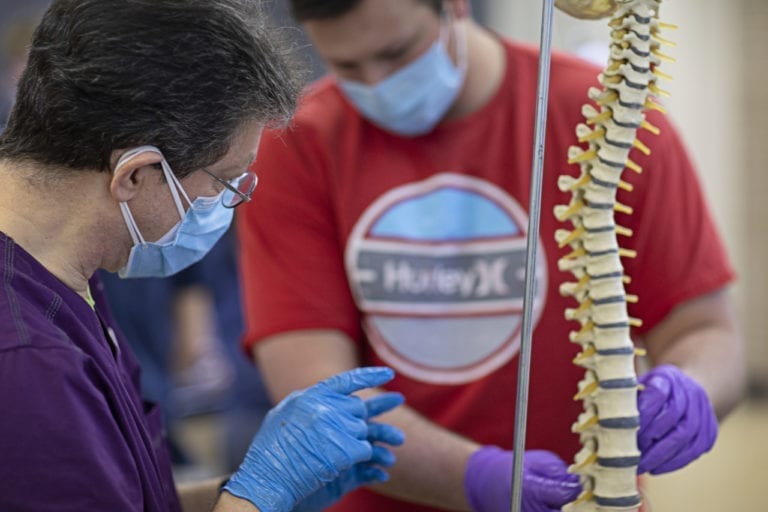
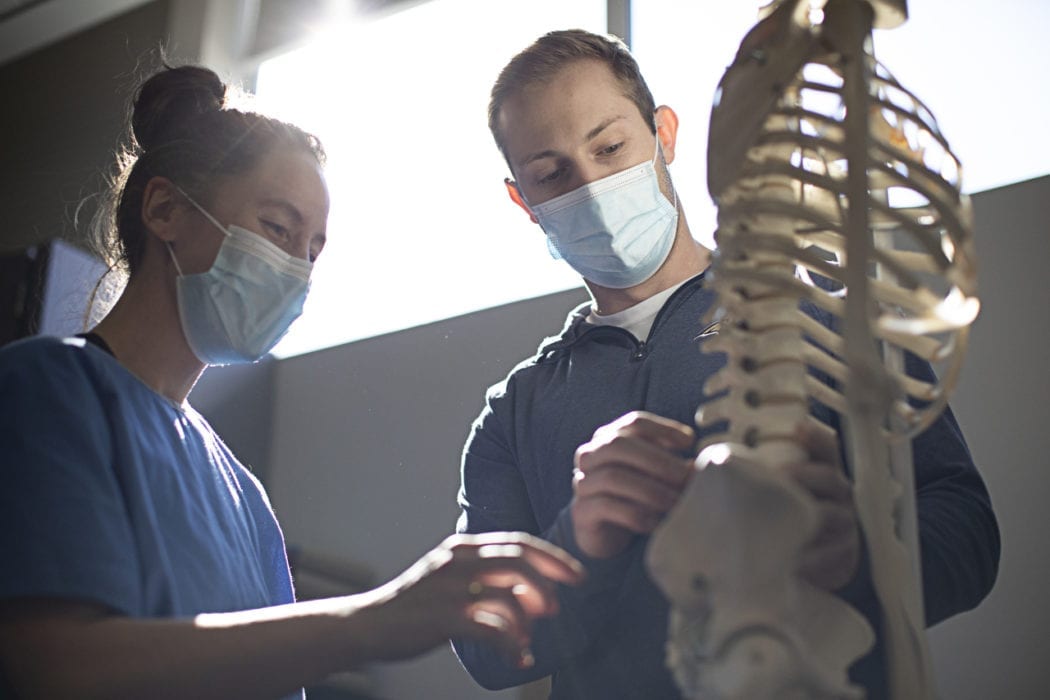
A crucial component of what training does a chiropractor need is the immersive clinical experience that integrates theoretical knowledge with real-world patient care. Within the Doctor of Chiropractic program, students spend a substantial amount of time, typically their final year or more, in supervised clinical internships. Here, they apply their classroom learning to actual patient cases, under the direct guidance of experienced faculty chiropractors. What does this clinical phase involve? Students learn to take thorough patient histories, perform comprehensive physical and neurological examinations, interpret diagnostic imaging, develop differential diagnoses, create individualized treatment plans, and administer chiropractic adjustments and other therapeutic modalities. Why is this hands-on experience so invaluable? It bridges the gap between textbooks and human complexity, allowing students to refine their palpatory skills, communication techniques, and clinical reasoning in a safe, mentored environment. How do they handle diverse patient needs? By working with a variety of patients, from children to seniors, and those with acute injuries to chronic conditions, developing adaptability and empathy. This practical training isnt just about performing techniques; its about building confidence, understanding patient psychology, and developing the critical judgment necessary to manage complex health concerns. It truly solidifies all aspects of what training does a chiropractor need to become an independent, compassionate, and effective healthcare provider upon graduation.
Beyond Adjustments: The Holistic Approach in What Training Does a Chiropractor Need
When discussing what training does a chiropractor need, it’s important to recognize that their education extends far beyond just spinal adjustments. Modern chiropractic training embraces a holistic philosophy, emphasizing the interconnectedness of the body’s systems and the influence of lifestyle on overall health. This means the curriculum includes significant coursework in areas like clinical nutrition, therapeutic exercise, and lifestyle modification counseling. Why is this broader scope so critical? Because true health and lasting wellness often require more than addressing a single symptom or joint dysfunction. A chiropractor learns how to assess a patients diet, activity levels, stress management techniques, and ergonomic habits, understanding how these factors can contribute to musculoskeletal issues or impede recovery. For example, a patient suffering from chronic back pain might benefit not only from adjustments but also from guidance on anti-inflammatory eating, specific core-strengthening exercises, and strategies to reduce workplace stress. How do they integrate this? By learning to educate and empower patients to take an active role in their own health, fostering sustainable changes that support long-term well-being. This comprehensive approach, ingrained throughout their rigorous education, ensures that chiropractors are equipped to be true wellness partners, offering multifaceted care that looks at the whole person, not just their symptoms, underscoring the expansive nature of what training does a chiropractor need to truly make a difference in peoples lives.
What training does a chiropractor need for safe and effective practice? They require an undergraduate education, typically a bachelors degree with science prerequisites, followed by a rigorous 4-5 year Doctor of Chiropractic (DC) program including extensive clinical training. This path culminates in passing national board examinations and obtaining state licensure, followed by a lifelong commitment to continuing education. This comprehensive journey ensures they are highly skilled primary healthcare providers, equipped to diagnose, treat, and manage musculoskeletal conditions with a holistic patient-centered approach.
Keywords: chiropractic training, chiropractor education, DC degree requirements, how to become a chiropractor, chiropractic school curriculum, chiropractic licensing, chiropractic continuing education, spinal health training, holistic healthcare career, chiropractic career path, chiropractic education requirements, chiropractor qualifications, pursuing a DC degree, chiropractic profession training, chiropractic clinical training, national board chiropractic exams, state chiropractic license, lifelong learning chiropractor, what training does a chiropractor need.
Doctor of Chiropractic (DC) degree, 4-5 years postgraduate education, extensive science prerequisites, comprehensive curriculum (anatomy, physiology, neurology, diagnostics, adjustive techniques), supervised clinical internships, national board examinations (NBCE), state specific licensing, mandatory continuing education (CE), holistic health approach, patient-centered care.
What Major Do You Need To Be A HealthEH Com Education Majors Healtheh Com.webpCost Complete Breakdown Of Fees How To Know If I Need A Scaled How To Become A Required Education For
A Guide To Become A Course Salary Course.webpFoundation For Progress Educating The Public To The PrintMj F4CP Education Infographic What Degree Is Needed To Be A University Of Bridgeport Chiro Mast Courses Da632a 52c8 1311 1bb2 7ac4dd36108 V1 R1
Do Athletes Really Need A Here S What To Know Week 4 Do Athletes Really Need A Heres What To Know Required Skills And Training For A Assistant A Roadmap To Becoming A Assistant Know The Process How To Become A School Guide ChiroLab PPEstudent SpineWork 848x565 A Guide To Become A Course Salary Course Image3 1
Index Www Com Training Chart Do Athletes Really Need A Here S What To Know Oakleigh Week 4 Do Athletes Really Need A Heres What To Know Complete Guide How Long Does It Take To Become A Sddefault How To Become A Degrees Courses Resume Tips How To Become A Frame 49 1024x807
What Does A Do Benefits Of Care FAQs 40a6c8 2026 Vs Physical Therapist Explaining The Difference Employer Aab01bb3da How To Become A Career Sidekick Career Progression Seeing A Women S Health Education 1518562349
How To Become A Logan University College Of DSC 8670 1200x800 What Education Is Required To Be A DC Degree Path What Education Is Required To Be A How To Become A Career Sidekick 6 Steps To Career What Education Do You Need To Become A Images
How To Become A NWHSU ChiroLab PPE Student Instructor SpineWork6 Ontario How To Become A How To Become A Barcelona 2026 Syntropy Training Flyer OL 980x980 How To Tell If You Need A Or A The Signs You Should See A 1024x683
A Guide To Become A Course Salary Course Image2Master Of Health Sciences University AECC 078a5021 Web 1024x683 How To Become A School Guide ChiroLab PPE Student Instructor SpineWork 768x512 What Kind Of Training Does A Need The Chiro Co What Kind Of Training Does A Need 1024x512
A Guide To What You Need To Know Coco Creme Adjustments How To Become A School Guide ChiroLab PPE Students Skeletal Work 1050x700 A Guide To Become A Course Salary Course Image1How To Become A Registered