Understanding how many CPU threads are truly beneficial for your gaming experience in 2026 is becoming increasingly vital. As game developers push the boundaries of realism and complexity, the demands on your central processing unit continue to grow. This comprehensive guide will navigate the often-confusing landscape of CPU cores versus threads, helping you discern the sweet spot for smooth gameplay, efficient multitasking, and future-proofing your gaming rig. Whether you are a casual player looking for reliable performance or a dedicated streamer needing robust processing power, knowing the right thread count is paramount for an uncompromised digital adventure. We will explore current trends, offer actionable advice, and demystify the technical jargon surrounding gaming CPU threads to empower your next hardware decision with confidence and clarity. Dive in to unlock peak gaming performance.
Gaming CPU Threads: What's Your Optimal Count?
For gamers around the world, understanding how many CPU threads are truly optimal for an immersive and fluid experience in 2026 is a critical quest that influences both current enjoyment and future hardware investments. Your CPU, often considered the brain of your computer, orchestrates every operation, from game logic to AI calculations and background tasks. The number of threads it can handle simultaneously directly impacts its ability to manage these complex workloads, making it a cornerstone of high-performance gaming rigs. This article will delve deep into the intricacies of CPU threads for gaming, shedding light on what they are, why they matter, and how to choose the right configuration to ensure your adventures in virtual worlds are always seamless and captivating. We'll explore current game demands and look ahead to future trends, providing you with actionable insights to conquer the ever-evolving landscape of gaming hardware.
Understanding CPU Cores and Threads for Gaming Performance
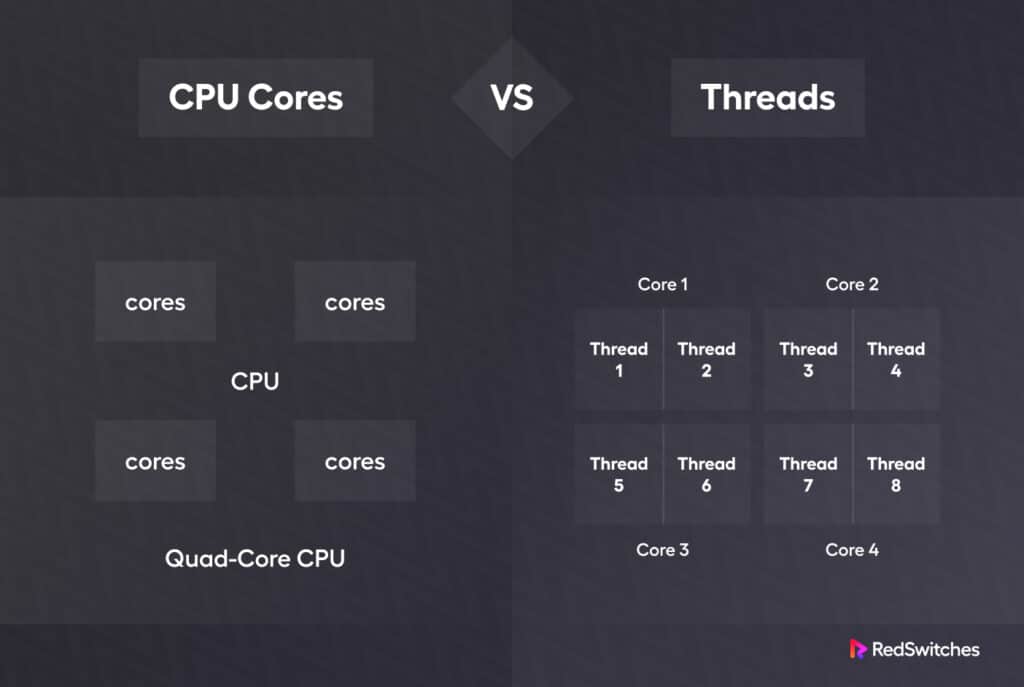
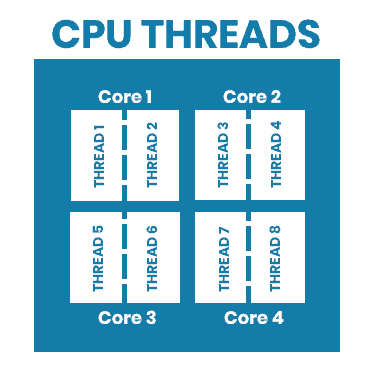
When we talk about CPU performance, especially in the context of gaming, it is essential to distinguish between cores and threads, as both play pivotal roles in how effectively your system processes data. A CPU core is a physical processing unit capable of executing instructions independently, acting like a separate mini-processor within your main CPU. Traditionally, more cores meant more tasks could be handled simultaneously. However, modern CPUs often feature a technology called hyperthreading for Intel processors or Simultaneous Multithreading SMT for AMD processors, which allows a single physical core to handle two threads of execution concurrently. This essentially makes one physical core appear as two logical cores to the operating system, theoretically doubling its capacity for managing tasks. While not a true doubling of performance, hyperthreading significantly improves efficiency by allowing the CPU to work on multiple instruction streams more effectively when one stream is waiting for data, enhancing overall system responsiveness and multitasking capabilities, which is increasingly beneficial for demanding gaming scenarios alongside other background applications.
How these cores and threads are utilized by games is a dynamic and evolving aspect of PC gaming, influenced by both game engine design and developer optimization. Older titles, and even some current ones, might not be heavily optimized for high thread counts, often favoring raw single-core clock speed over parallel processing power. However, the trend for AAA games in 2026 is unmistakably shifting towards greater multi-threaded optimization, especially with the advent of DirectX 12, Vulkan, and next-generation console architectures that leverage many CPU cores and threads. Modern game engines are increasingly designed to distribute workloads across multiple threads, handling tasks such as physics simulations, AI routines, audio processing, and rendering preparation concurrently. This means that having a CPU with a sufficient number of threads can prevent bottlenecks, ensure smoother frame rates, reduce stuttering, and provide a more consistent gaming experience, particularly in complex open-world environments or during intense multiplayer engagements where numerous calculations are occurring simultaneously across the virtual world.
The Ideal Thread Count for Modern Gaming in 2026
Identifying the ideal thread count for modern gaming in 2026 requires a forward-thinking perspective, considering both the current crop of graphically intensive titles and the anticipated demands of future releases. As game development continues to push boundaries with larger worlds, more intricate AI, and advanced physics, the reliance on multi-threaded CPU performance is only set to intensify. While a few years ago, four cores and eight threads might have been considered ample, the landscape has significantly evolved. Today's top-tier games and future titles are increasingly designed with a baseline expectation of at least six physical cores, effectively translating to twelve threads when hyperthreading or SMT is enabled. This configuration provides a robust foundation for smooth gameplay, ensuring that the CPU can handle the primary game threads alongside background system processes without becoming a bottleneck that limits the performance of your high-end graphics card, which is a common scenario when CPU power is insufficient for the demands being placed upon it by the latest software releases and operating system overhead.
For gamers aiming for a truly future-proof setup, especially those involved in content creation like streaming or video editing alongside their gaming, targeting a CPU with eight cores and sixteen threads or even more is becoming a wise investment. This higher thread count provides significant headroom, not only for current demanding titles that can leverage it but also for games yet to be released which are expected to utilize even more parallel processing capabilities. Think about games that render vast, destructible environments, simulate complex crowd behaviors, or integrate real-time ray tracing; these workloads benefit immensely from a CPU that can distribute tasks across a multitude of threads. Furthermore, having abundant threads ensures that your system remains responsive even when you have multiple applications running in the background, such as Discord, web browsers with numerous tabs, or streaming software. This capability translates directly into a more fluid overall user experience, preventing the system from feeling sluggish or unresponsive during critical gaming moments or when transitioning between different tasks, ultimately enhancing both your productivity and entertainment.
Minimum Recommendations for Gaming CPU Threads
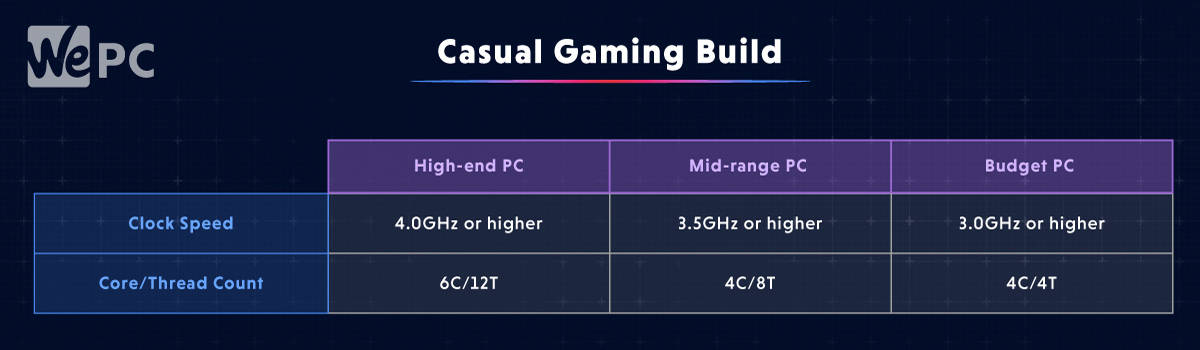
Understanding the minimum recommendations for gaming CPU threads is crucial for any gamer looking to build or upgrade their system without overspending on unnecessary power while still achieving a satisfactory experience. For casual gamers who primarily play older titles, esports games, or less demanding indie games, a CPU with 4 cores and 8 threads, like an older i7 or Ryzen 3/5 with SMT, can still deliver acceptable performance, particularly if paired with a capable GPU. However, for most mainstream titles released in the last few years and especially looking towards 2026, 6 cores and 12 threads are increasingly becoming the entry-level for a smooth, consistent 60+ FPS experience at moderate settings. This configuration offers a good balance of cost and performance, allowing the CPU to manage game logic, AI, and other background processes without significant bottlenecks. It is a sweet spot for many budgets, providing enough horsepower for a wide array of gaming scenarios without breaking the bank and ensuring your system can handle the majority of games comfortably, even if not at the absolute highest settings, delivering solid value.
- For entry-level gaming (esports, older titles): 4 cores / 8 threads. This allows for basic multitasking and smooth performance in less demanding games where high frame rates are paramount.
- For mainstream gaming (most modern AAA titles): 6 cores / 12 threads. This configuration is widely considered the sweet spot for balancing performance and cost, offering robust support for current and near-future games.
- For high-end gaming (demanding AAA titles, high refresh rates): 8 cores / 16 threads. Provides excellent performance for all current games and significant headroom for future titles and multitasking.
- For extreme gaming and content creation (streaming, editing, professional use): 12 cores / 24 threads or more. Offers unparalleled multitasking capabilities and ensures no CPU bottleneck even with the most intensive workloads.
Impact of More Threads Beyond Core Count for Gaming
The impact of having more threads, beyond just a high core count, is profoundly felt when considering multitasking scenarios that are increasingly common for modern gamers. Many players don't just game; they stream their gameplay to platforms like Twitch or YouTube, record their sessions, chat with friends on Discord, and browse guides or watch videos on a second monitor simultaneously. In such situations, the operating system effectively distributes these varied workloads across the available CPU threads. A higher thread count means that the game can occupy its dedicated set of threads for optimal performance, while other applications can comfortably run on their own threads without significantly impinging on the game's resources. This prevents stuttering, ensures smooth video capture, and maintains responsive communication, creating a much more enjoyable and professional streaming experience. Without sufficient threads, juggling these tasks would lead to a noticeable drop in game performance or instability across the entire system, highlighting the crucial role of multi-threading in today's comprehensive gaming ecosystems.
Delving deeper into performance nuances, a higher thread count can also contribute to a more stable and consistent frame rate in games, even if it doesn't always translate to a dramatic increase in peak FPS. This stability is particularly noticeable in scenes with many on-screen entities, complex physics calculations, or intricate AI behaviors, where the CPU has to manage a massive amount of data and instructions in real-time. By spreading these computational demands across more logical threads, the CPU can avoid bottlenecks that might otherwise cause micro-stutters or frame drops, which can be incredibly disruptive to the immersive gaming experience. Furthermore, as game engines continue to evolve, they are becoming more adept at parallelizing tasks, meaning that future titles are likely to scale even better with increased thread counts. This forward-looking perspective suggests that investing in a CPU with a generous number of threads offers a degree of future-proofing, ensuring your system remains capable of handling the latest and greatest games for years to come without requiring an immediate upgrade, providing both performance and peace of mind for the discerning gamer. It's not just about raw speed but about how smoothly and reliably that speed can be delivered under various computational pressures.
| Gaming Tier | Recommended Cores/Threads | Typical Usage Scenario | Example CPUs | Key Benefit for Gaming |
|---|---|---|---|---|
| Entry-Level Gaming | 4 Cores / 8 Threads | Esports titles, older AAA games, casual play | Intel Core i3 (recent gen), AMD Ryzen 3 (recent gen) | Cost-effective performance, stable FPS in lighter games |
| Mainstream Gaming | 6 Cores / 12 Threads | Most modern AAA titles, 1080p/1440p gaming | Intel Core i5 (recent gen), AMD Ryzen 5 (recent gen) | Excellent balance of performance & value, minimal bottlenecks |
| High-End Gaming | 8 Cores / 16 Threads | Demanding AAA titles, high refresh rate monitors, 4K gaming | Intel Core i7 (recent gen), AMD Ryzen 7 (recent gen) | Superior performance, great for multitasking and future-proofing |
| Enthusiast/Creator | 12+ Cores / 24+ Threads | Heavy streaming, video editing, professional content creation, extreme gaming | Intel Core i9 (recent gen), AMD Ryzen 9 (recent gen) | Uncompromised multitasking, maximum performance overhead |
What Others Are Asking? Common Questions about CPU Threads for Gaming
Do more threads increase FPS in gaming?
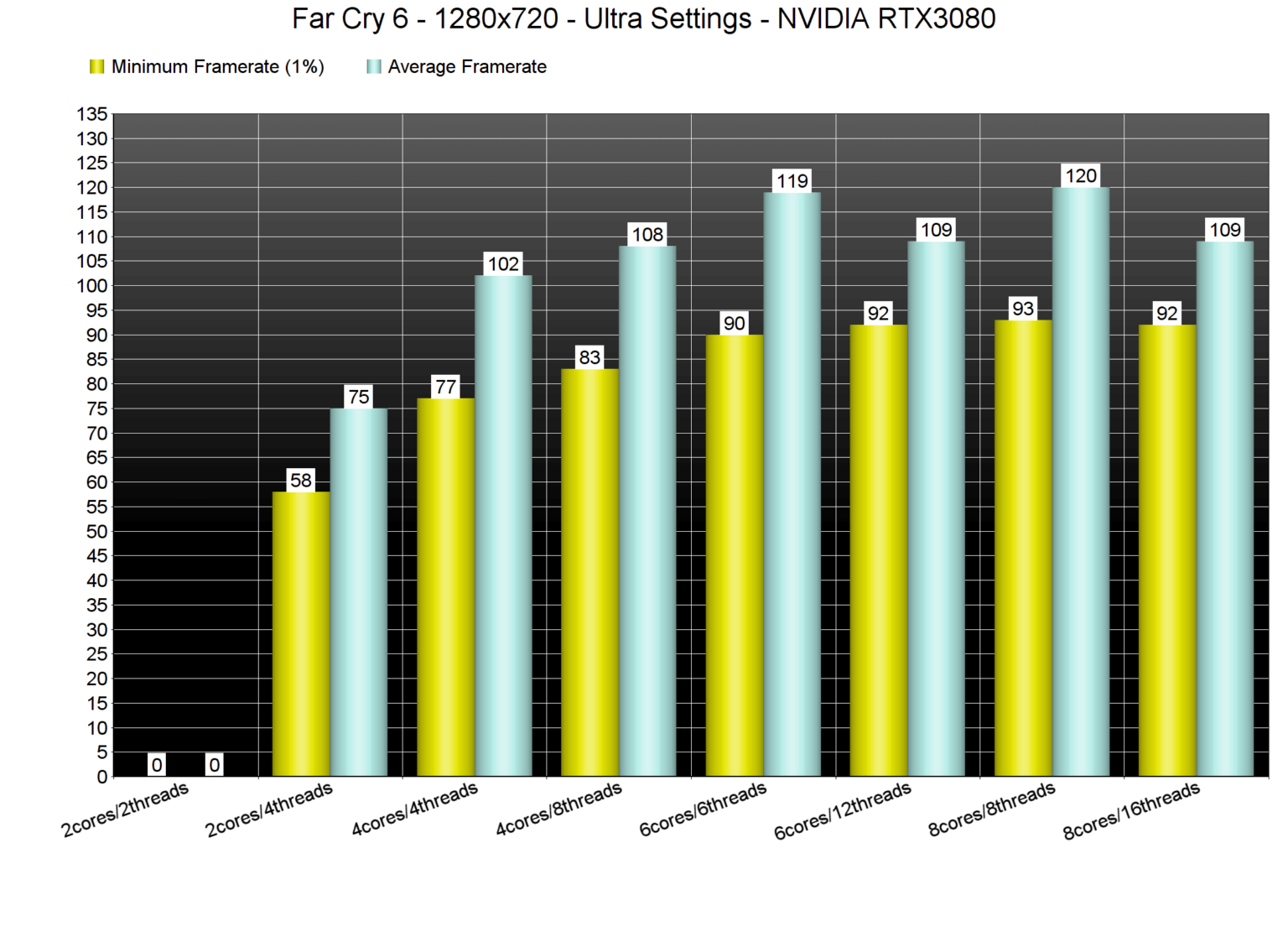
While more threads can certainly contribute to a smoother and more consistent gaming experience by handling background tasks and parallelized game processes more efficiently, they don't always directly translate to a significant increase in raw Frames Per Second (FPS) in all titles. The actual FPS gain depends heavily on how well a particular game engine is optimized to utilize multiple CPU threads. Some games are primarily single-thread bound for their main rendering loop, meaning a faster single-core performance will yield more FPS than a higher thread count, though many modern AAA titles now leverage multiple threads effectively for smoother gameplay and to reduce stutter, especially in complex scenes. Therefore, the benefit is often more about stability and avoiding bottlenecks rather than simply boosting your maximum frame rate.
Is 4 cores 8 threads good for gaming?
For gaming in 2026, a 4-core, 8-thread CPU is generally considered the minimum viable option, primarily suitable for esports titles, older AAA games, or less demanding indie games. While it can still run many modern games, you might experience performance limitations, especially in graphically intensive open-world titles or when multitasking. For a truly smooth and uncompromised experience in most current and upcoming AAA games, a higher core and thread count, typically 6 cores and 12 threads or more, is highly recommended to prevent CPU bottlenecks and ensure a more consistent frame rate. It offers acceptable entry-level performance but won't deliver the best experience.
Is 6 cores 12 threads enough for gaming?
Yes, a 6-core, 12-thread CPU is widely considered an excellent sweet spot for gaming in 2026, offering a strong balance of performance and value. This configuration provides ample processing power for the vast majority of modern AAA titles, allowing for smooth gameplay at high frame rates and resolutions without encountering significant CPU bottlenecks. It also offers enough headroom for light multitasking, such as running Discord or a web browser in the background. For most gamers, a 6-core, 12-thread processor delivers a highly satisfactory experience, making it a highly recommended choice for a robust gaming rig.
How many threads does Elden Ring use for gaming?
Elden Ring, like many modern open-world titles, does benefit from multiple CPU threads, though its primary game logic and rendering might not saturate extremely high core counts. Benchmarks and technical analyses suggest that Elden Ring effectively utilizes 4 to 6 cores and benefits from 8 to 12 threads for optimal performance and stability. While it can run on lower thread counts, having a CPU with at least 6 cores and 12 threads helps ensure smoother frame delivery, especially in areas with many enemies, complex environmental effects, or during intense combat scenarios. More threads beyond this point offer diminishing returns for Elden Ring specifically, but contribute to overall system responsiveness.
Do games use all CPU cores for gaming?
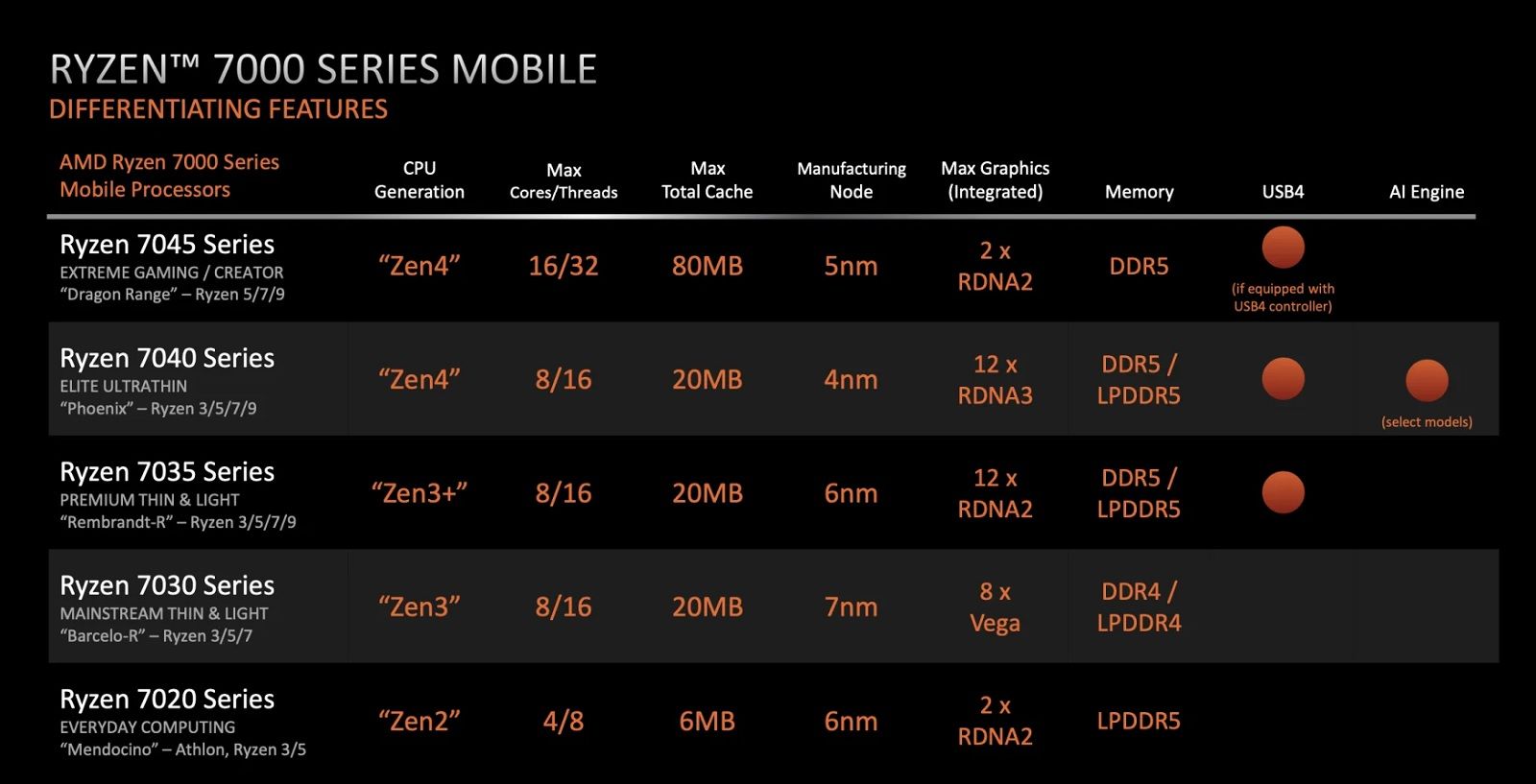
Modern games increasingly leverage multiple CPU cores and threads, but it's rare for a single game to fully utilize every single core and thread available on very high-end CPUs (e.g., 16 cores/32 threads). Game engines are designed to distribute various tasks like AI, physics, audio, and rendering preparation across available threads. While they will utilize a good number of cores, typically up to 6-8, to prevent bottlenecks and ensure smooth performance, there's a point of diminishing returns where additional cores don't provide further significant performance gains. High core counts are more beneficial for multitasking like streaming or running heavy background applications alongside gaming, where the system can assign different tasks to different core/thread groups, ensuring overall system fluidity. So, while they use many, they rarely use *all* in a way that provides linear performance scaling.
FAQ about How Many CPU Threads for Gaming
What are CPU threads in gaming?
CPU threads are sequences of instructions that a CPU can process. In gaming, they represent the individual computational paths a game uses to perform tasks like running game logic, managing AI, and preparing graphics data for your GPU, ensuring smooth operation. Essentially, they are the individual workflows your processor can handle.
Why are CPU threads important for gaming performance?
CPU threads are crucial for gaming performance because they allow your processor to handle multiple tasks simultaneously. More threads mean the CPU can manage the game's various complex processes, background applications, and operating system functions concurrently, leading to smoother gameplay, fewer stutters, and better overall system responsiveness.
Who benefits most from higher CPU thread counts for gaming?
Gamers who benefit most from higher CPU thread counts are those playing modern AAA titles, especially open-world or simulation-heavy games, and individuals who multitask heavily while gaming, such as streamers, content creators, or those running numerous background applications. It ensures system stability and prevents bottlenecks for demanding workloads.
How do I check my CPU thread count for gaming?
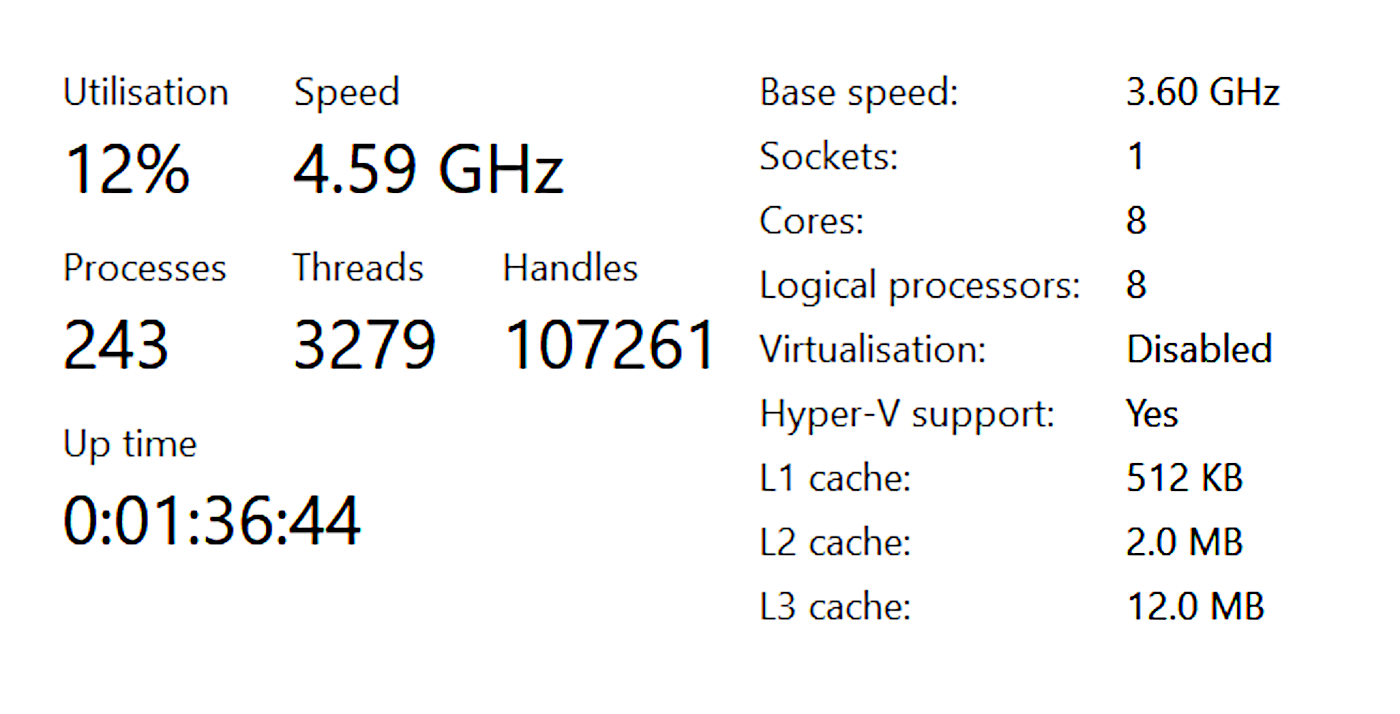
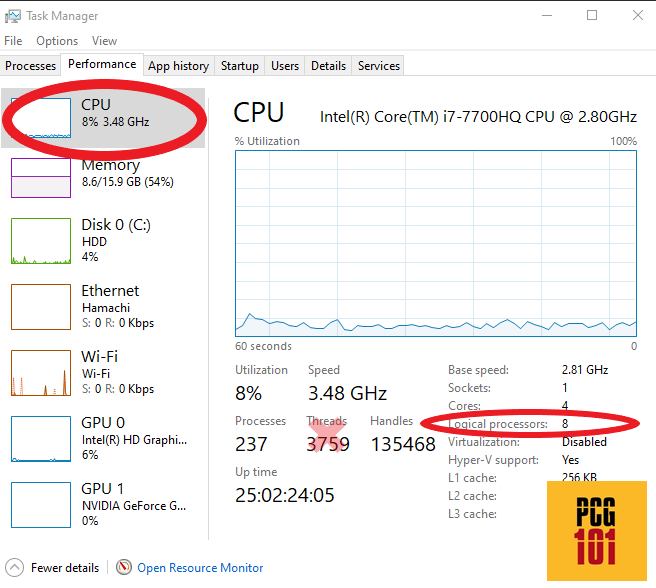
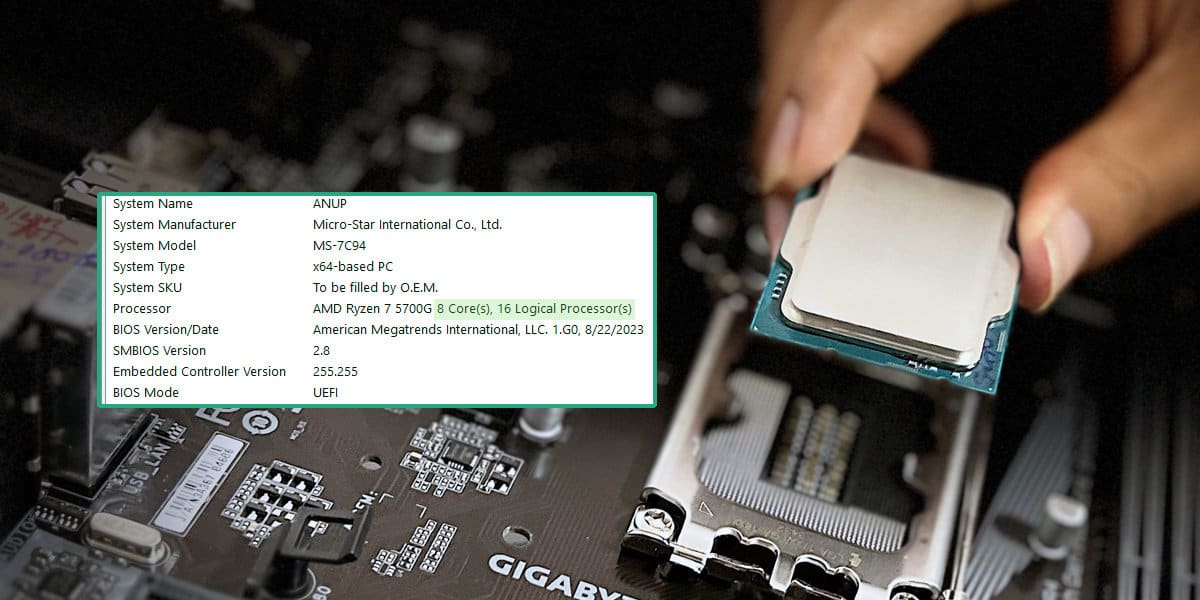
You can check your CPU thread count by opening Task Manager (Ctrl+Shift+Esc), going to the 'Performance' tab, and selecting 'CPU'. Underneath the graph, you will see 'Cores' and 'Logical processors' (threads). Alternatively, use CPU-Z software for detailed processor information to understand your thread count.
Summary of Key Points about How Many CPU Threads for Gaming
- CPU threads are crucial for parallel processing, allowing your CPU to handle multiple gaming and background tasks simultaneously.
- Modern AAA games are increasingly optimized to leverage multiple threads for smoother performance and reduced stuttering.
- For a strong gaming experience in 2026, 6 cores and 12 threads are generally considered the sweet spot for performance and value.
- Higher thread counts (8 cores / 16 threads or more) are beneficial for future-proofing, demanding games, and heavy multitasking like streaming.
- More threads contribute significantly to overall system responsiveness and consistent frame rates, especially in complex game scenes, even if not always directly boosting peak FPS.
- While games utilize many threads, they rarely saturate extremely high core counts; the benefit often lies in avoiding bottlenecks and enhancing stability.
The journey to understanding the optimal number of CPU threads for your gaming adventures in 2026 is an empowering one. By now, you're equipped with the knowledge to make informed decisions that will directly impact your in-game performance and overall computing experience. It's not just about having the most cores, but about finding the right balance of cores and threads that aligns with your specific gaming habits and future aspirations. Remember, hardware selection is a personal quest, and the perfect setup is one that meets your needs without unnecessary compromise. So, evaluate your current and future gaming demands, consider your budget, and confidently choose a CPU that will immerse you fully in the breathtaking virtual worlds awaiting your exploration. Happy gaming, and may your frame rates be eternally smooth!
CPU threads are crucial for gaming performance, especially for modern titles and multitasking. Most games benefit from 6 to 8 cores and 12 to 16 threads for optimal experience. Future-proofing suggests aiming for higher counts to handle upcoming titles. Not all games utilize many threads equally, with some still favoring high clock speeds. Identifying the ideal balance between core count, thread count, and clock speed is key for serious gamers.
How Many CPU Cores Threads Do You Have How To Check How Do Cores Work 1024x540 How To Check CPU Cores And Threads 6 Easy Ways Tech News Today Check Cpu Cores Threads How Many CPU Threads Do I Have Learn How To Check What Are Threads In CPU 745x419
CPU Threads Erkl Rt Wie Wichtig Sind Sie F Rs Gaming Eine Gaming CPU Mit 24 Threads Eingebaut Im Sockel 1030x585 How Many CPU Cores Threads Do You Have How To Check How Many CPU Cores And Threads Do You Have How To Check Twitter CPU Threads All You Should Know Tech4Gamers Installing The Ryzen 7 7700X Image By Tech4Gamers Recommended Intel Processor For Gaming At Dominic Johnson Blog AMD Ryzen 5 2600 Best Budget Gaming Cpu
PC CPU Guide Best CPU For PC Gaming Game Maps Com Cpu Comparison Chart 8 Best CPU For Gaming In 2023 Tech4Gamers Blender Benchmarks Of The Best CPUs For Gaming 1024x641 How To Check How Many CPU Threads Do I Have PC Guide 101 How To Check How Many CPU Threads Do I Have Featured 2 CPU Cores Vs Threads Everything You Need To Know 2023 Cpucores 1536x864
Find Out How Many Cores And Threads Your CPU Has With These 4 Simple Cores And Threads In Task Manager Find Out How Many Cores And Threads Your CPU Has With These 4 Simple Best CPU For RTX 5080 AMD S Fastest Gaming Chip The Ryzen 9 9950X3D Is Still At All Time 1200 80 Best AMD CPUs For Gaming 2025 Sirius Power PC Vlcsnap 2024 11 21 .webp
CPU Threads All You Should Know Tech4Gamers Screenshot 2024 04 28 124104 300x140 Best AMD CPUs For Gaming 2025 Sirius Power PC CPU Cores And Threads Explained CPX Explainer What Are Processor Threads TechSpot 2022 10 17 Image 2
Single Thread Vs Multi Thread CPU For Gaming List Benchmarks Games 1033x2048 How Many CPU Threads Do I Have Quick Walkthrough 2024 How Many Cpu Threads Do I Have 300x171 Is Ryzen 3 Good For Gaming PC Guide 101 Far Cry 6 Core Count Benchmark 1536x1129 AMD Reveals Ryzen 7000 Mobile CPUs With Up To 16 Cores And 32 Threads 164046 Laptops News Amd Reveals Ryzen 7000 Mobile Cpus With Upto 16 Cores And 32 Threads Image2 Iuteoq87tz
The Best CPU For Gaming 2026 Top AMD Intel Processors For Your Next Casual Gaming Build 479 Cheap Bastard S Gaming PC Build Guide February 2024 GamersNexus 479 Cb Pc Build 00007 .webpHow To Check How Many CPU Threads Do I Have PC Guide 101 Task Manager Logical Processors W Are 6 Core CPUs Enough For PC Gaming TechSpot CS2 RTX4090 2160p
Limiting CPU Threads For Better Game Performance NVIDIA Technical Blog Reduced Thread Count 1536x864 What Does Cpu Thread Mean At Deandre Campbell Blog Difference Between CPU Cores And Threads 1024x687 Optimal Core Count For Gaming How Many Do You Really Need Amd Core Perofrmance Explained Intel Cpu Generations Performance Comparison At Ryan Boland Blog
SOLVED How Many CPU Cores Do You Need For Gaming Tom S Hardware Proxy.phpCPU Cores Vs Threads Terminology Explained Rocky MTN Ruby CPU Threads 1 CPU Cores And Threads How They Impact Gaming Performance 1*o