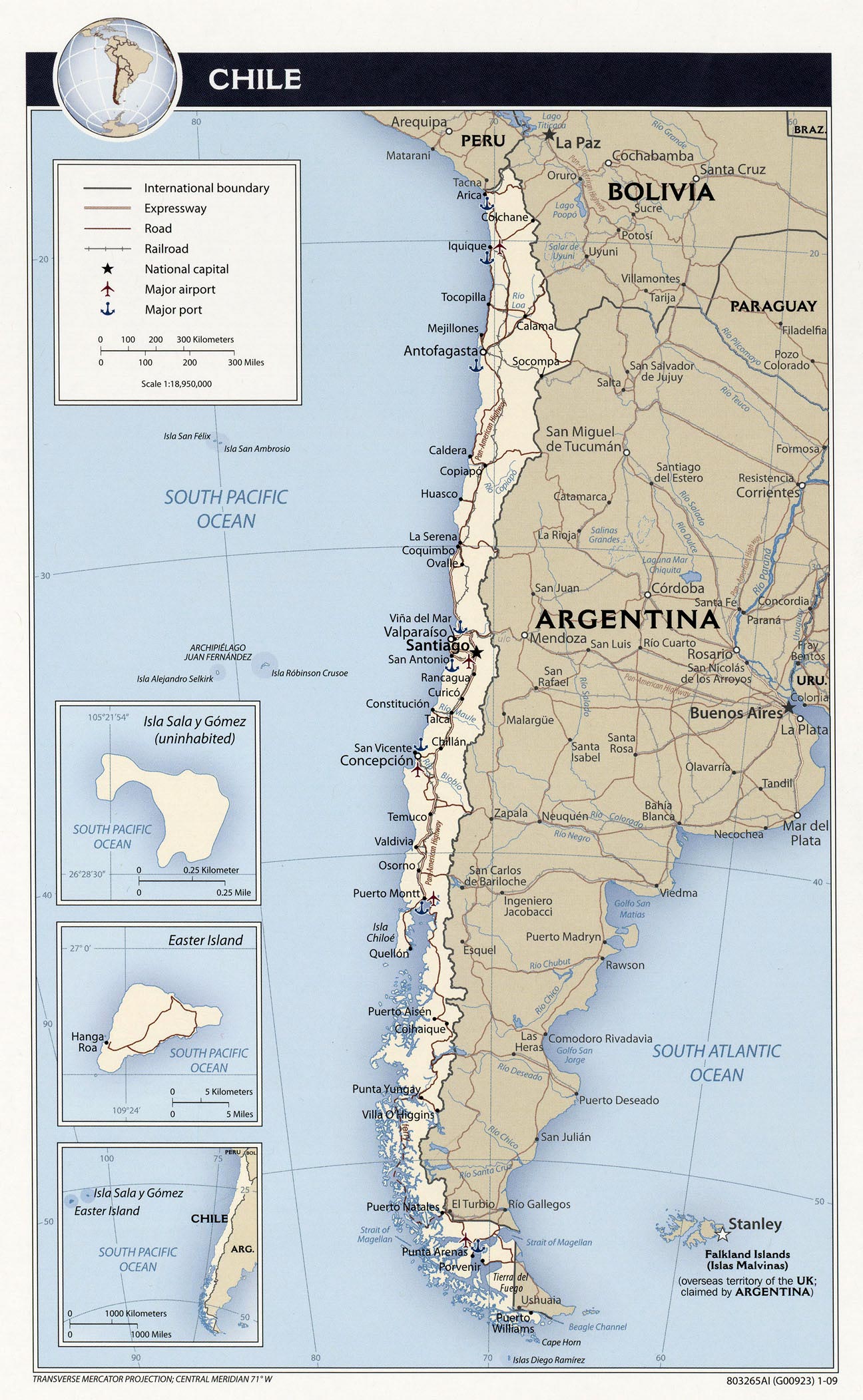
Ever wondered about the truly unique geography of Chile? A chilean map showcases one of the world's most elongated countries, stretching over 2,600 miles along South America's western coast. This incredible length brings immense geographical diversity, from the planet's driest desert in the north to icy glaciers in the south. Understanding a chilean map is key for travelers, researchers, and anyone fascinated by extreme landscapes and rich cultural variations. Its navigational and informational potential is trending as more people explore unique global destinations. Explore the Andes Mountains, the vast Pacific coastline, and vibrant cities, all vividly displayed on a chilean map. Discover why this country's shape profoundly influences its climates, ecosystems, and human history, offering endless exploration for a U.S. audience.
Where is Chile located on a world map?
Chile is prominently located on the western coast of South America. It forms a long, narrow strip of land situated between the majestic Andes Mountains to the east and the vast Pacific Ocean to the west. This unique position defines its diverse climate zones and geographical features, making it a distinctive sight on any world map.
What are the main geographical features of the chilean map?
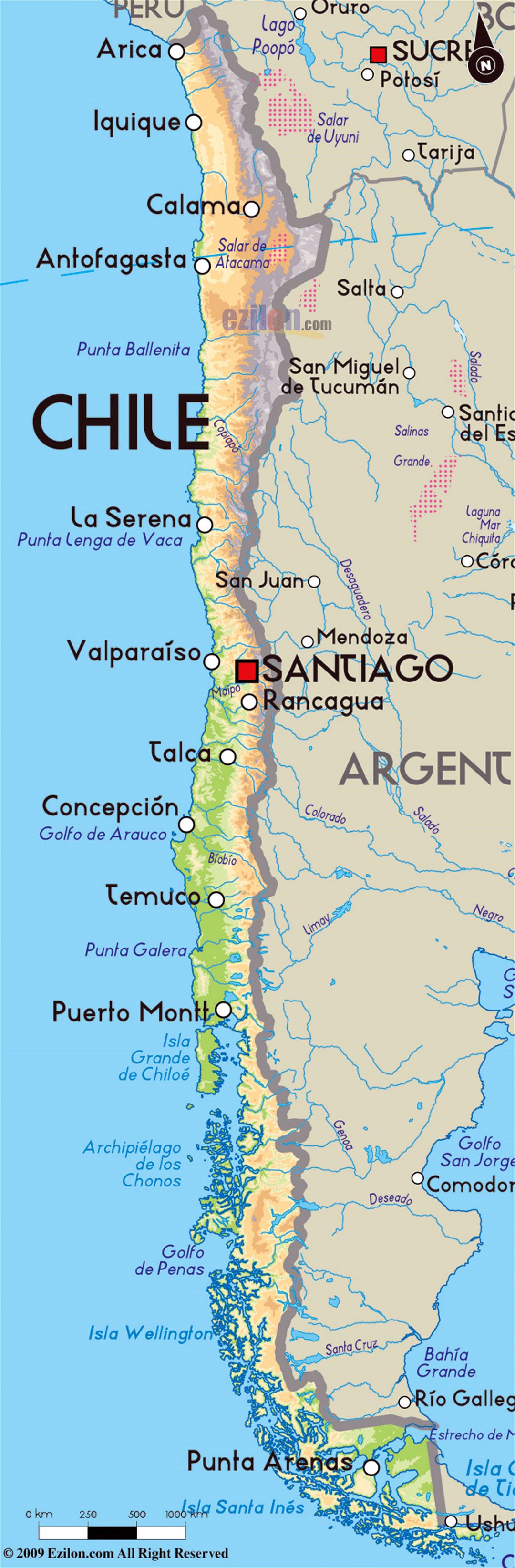
The **chilean map** reveals incredible geographical diversity. Key features include the arid Atacama Desert in the north, the fertile Central Valley, the towering Andes Mountains forming its eastern backbone, and thousands of miles of Pacific coastline. Further south, you find lakes, volcanoes, and the rugged fjords of Patagonia.
How does Chile's shape impact its climate zones?
Chile's extraordinary elongated shape directly results in a vast array of climate zones. The **chilean map** showcases this, moving from extreme aridity in the northern desert to a Mediterranean climate in the center, and oceanic, alpine, and even subpolar climates towards the south. This geographical stretch creates remarkable climatic variation.
Are there any disputed territories on the chilean map?
Historically, there have been various border disputes involving Chile, particularly with Bolivia and Argentina, often concerning its extensive southern territories. While most major disputes are resolved, minor cartographic disagreements or historical claims sometimes arise. Current official **chilean maps** reflect internationally recognized boundaries.
What is the significance of the Strait of Magellan on a chilean map?
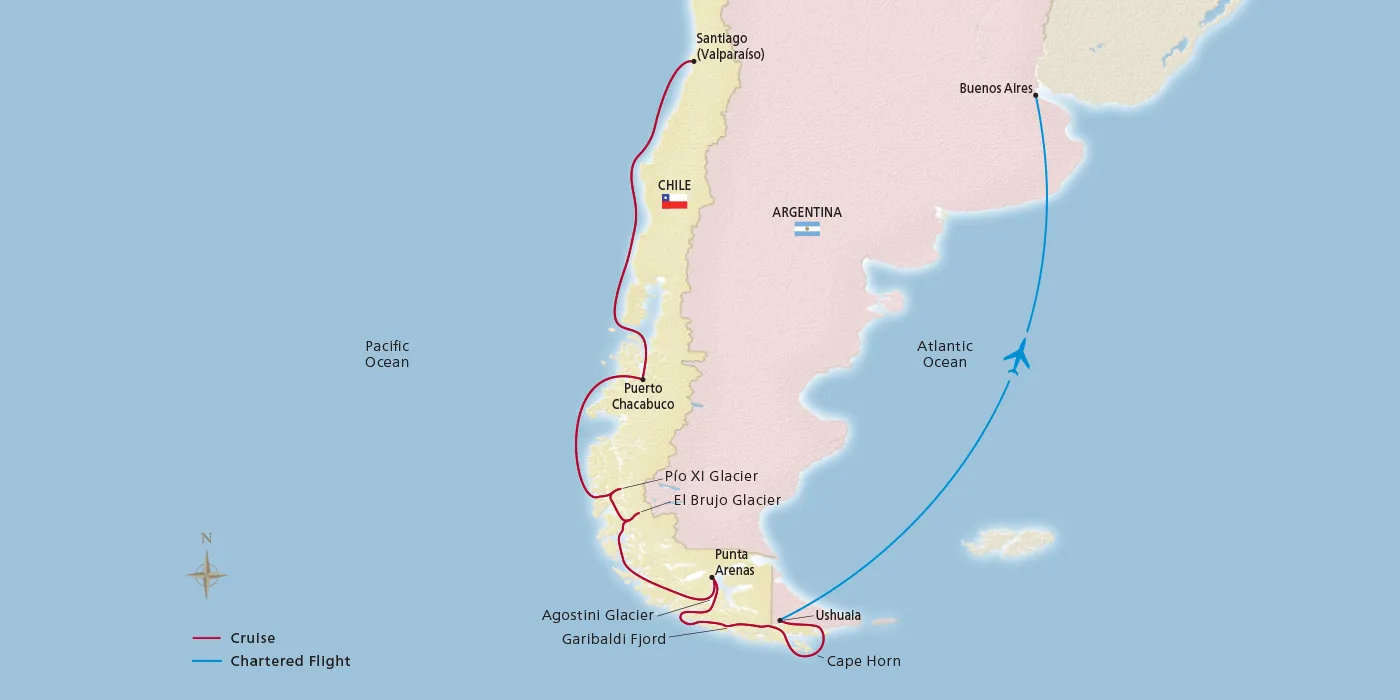
The Strait of Magellan is a vital waterway found at the southern tip of the **chilean map**. It serves as a natural passage connecting the Atlantic and Pacific Oceans, historically crucial for global maritime trade before the Panama Canal. Today, it remains important for regional shipping, tourism, and showcasing Chile's southern reach.
How accurate are digital chilean maps today?
Digital **chilean maps** are generally highly accurate and continuously updated, thanks to satellite imagery and GPS technology. Platforms like Google Maps and OpenStreetMap offer detailed topography, road networks, and points of interest. However, always cross-reference information for remote or newly developed areas, as updates can vary.
Ever looked at a world map and noticed that incredibly long, thin country snaking down South America? That is Chile, and its unique geography, captured perfectly on any **chilean map**, tells a fascinating story. It is a land of extremes, truly captivating for anyone. Understanding its layout is key to appreciating its culture.
The **chilean map** represents a nation stretching over 2,600 miles along South America's western edge. This extraordinary length is truly remarkable. It defines Chile's diverse landscapes from the arid Atacama Desert to glacial Patagonia. The map shows where the majestic Andes Mountains meet the vast Pacific Ocean. This unique geography significantly shapes Chile's culture and economy.
For a U.S. audience, exploring the **chilean map** offers incredible insights into diverse ecosystems. You will find stark deserts, fertile central valleys, and rugged southern fjords. This geographical spread makes Chile a hotspot for adventure tourism. From desert stargazing to Patagonian trekking, there is an adventure for everyone.
The physical layout on a **chilean map** profoundly impacts daily life and industry. Mining dominates the northern regions, especially copper and lithium. Central Chile thrives on agriculture, including world-renowned wine production. The southern areas focus on forestry, fishing, and eco-tourism. Each region offers distinct experiences.
A **chilean map** also highlights its strategic maritime importance. With thousands of miles of coastline, access to the Pacific Ocean is vital. Major ports facilitate international trade and connect Chile to global markets. Understanding these routes on the map is crucial for economic analysis. It underscores Chile's role in global commerce.
Understanding the Chilean Map
Understanding the **chilean map** involves appreciating its distinct regions. Each area presents unique characteristics and opportunities.
| Region on Chilean Map | Key Geographical Features | Dominant Climate | Economic Activities |
|---|---|---|---|
| Northern Chile | Atacama Desert, Andes foothills | Arid, desert | Mining (copper, lithium), astronomy |
| Central Chile | Mediterranean valleys, Santiago | Mediterranean | Agriculture, wine production, services |
| Southern Chile | Lakes, volcanoes, fjords, Patagonia | Temperate, oceanic | Forestry, fishing, tourism |
| Insular Chile | Easter Island, Juan Fernández Archipelago | Subtropical, oceanic | Tourism, fishing |
What Others Are Asking? About the Chilean Map
What is the capital city on the chilean map?
The capital city prominently featured on any **chilean map** is Santiago. It is nestled in the central valley, surrounded by the majestic Andes Mountains to the east and the Chilean Coastal Range to the west. Santiago serves as Chile's cultural, political, and economic hub, making it a key point of interest for visitors and residents alike.
How long is Chile according to its map?
Chile stretches an astonishing length of approximately 2,670 miles (4,300 kilometers) from its northern border with Peru down to Cape Horn in the south. This makes it one of the longest and narrowest countries in the world. Its remarkable elongation is a defining feature seen on every **chilean map**.
What famous desert appears on the chilean map?
The **chilean map** proudly displays the Atacama Desert in its northern region. This is one of the driest places on Earth, renowned for its stark beauty, lunar landscapes, and clear skies perfect for astronomical observations. It significantly influences Chile's climate and resource distribution.
Does Easter Island show on a chilean map?
Yes, Easter Island, known locally as Rapa Nui, is indeed included on a comprehensive **chilean map**. Despite its remote location in the southeastern Pacific Ocean, over 2,000 miles from the mainland, it is an integral part of Chilean territory. Its iconic moai statues draw global attention.
What mountain range dominates the chilean map?
The magnificent Andes Mountains are the dominant geographical feature on every **chilean map**. Running along Chile's entire eastern border, this formidable range creates a natural boundary with Argentina. The Andes profoundly shapes Chile's climate, biodiversity, and offers stunning landscapes for adventure tourism.
FAQ About the Chilean Map
Who uses a chilean map?
Travelers, researchers, educators, and anyone interested in geography widely use a **chilean map**. It is crucial for navigation, understanding diverse ecosystems, planning logistics, and studying the country's unique elongated shape. Tourists planning visits to Patagonia or the Atacama find it indispensable.
What defines the chilean map?
The **chilean map** is defined by Chile's extraordinary length and narrowness, stretching from arid deserts to glacial regions. It showcases the Andes Mountains on the east and the Pacific Ocean to the west, encapsulating diverse climates and landscapes. This unique geography makes Chile instantly recognizable.
Why is the chilean map unique?
The **chilean map** is unique due to Chile's extreme longitudinal extension, making it the longest country on Earth relative to its width. This elongation results in an unparalleled range of climates and ecosystems within a single nation, from the world's driest desert to subpolar regions.
How does the chilean map affect its culture?
The **chilean map** significantly influences its culture by fostering regional identities tied to distinct geographies. Northern desert culture differs from the central Mediterranean lifestyle or the southern Patagonian traditions. This diverse landscape shapes local customs, cuisine, and even national folklore, enriching Chile's identity.
Where can I find a detailed chilean map?
Detailed **chilean maps** are readily available online through mapping services like Google Maps or OpenStreetMap. Physical atlases and specialized travel stores also offer them. Tourist information centers within Chile are excellent sources for regional and national maps, perfect for planning your adventure.
Extreme length of Chile on map, Diverse ecosystems shown on chilean map, Andes Mountains and Pacific coastline, Unique cultural regions on chilean map, Economic zones and natural resources, Geographical challenges and opportunities shown on chilean map.
 Chile Map Vector New Colorful Layered Political Map Chile Map Vector New Colorful Layered Political Divisions Website Education Reports News
 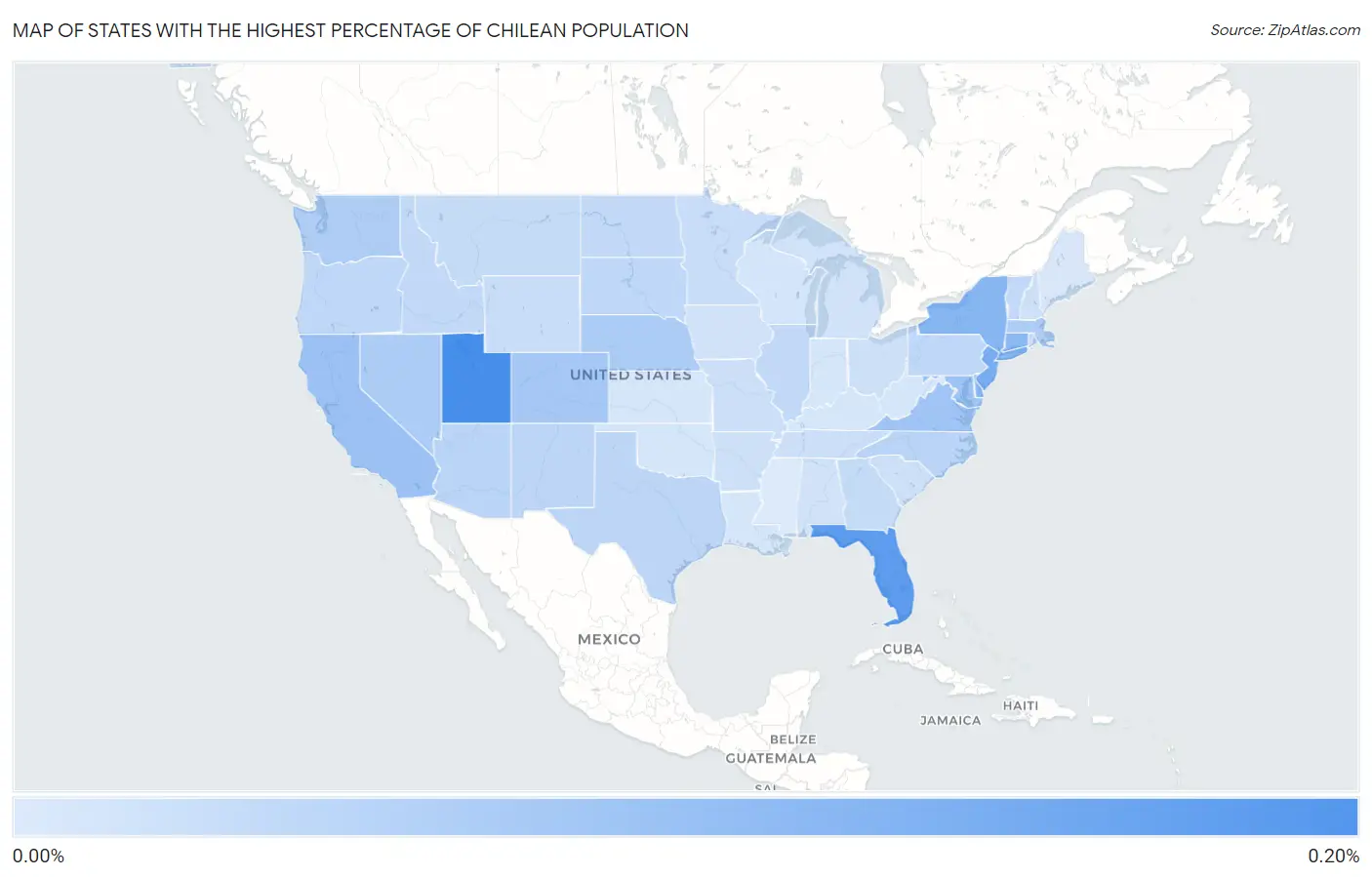 Top States Percentage Of Chilean Population In Zip Atlas United States Percentage Chilean Population By State Map.webp
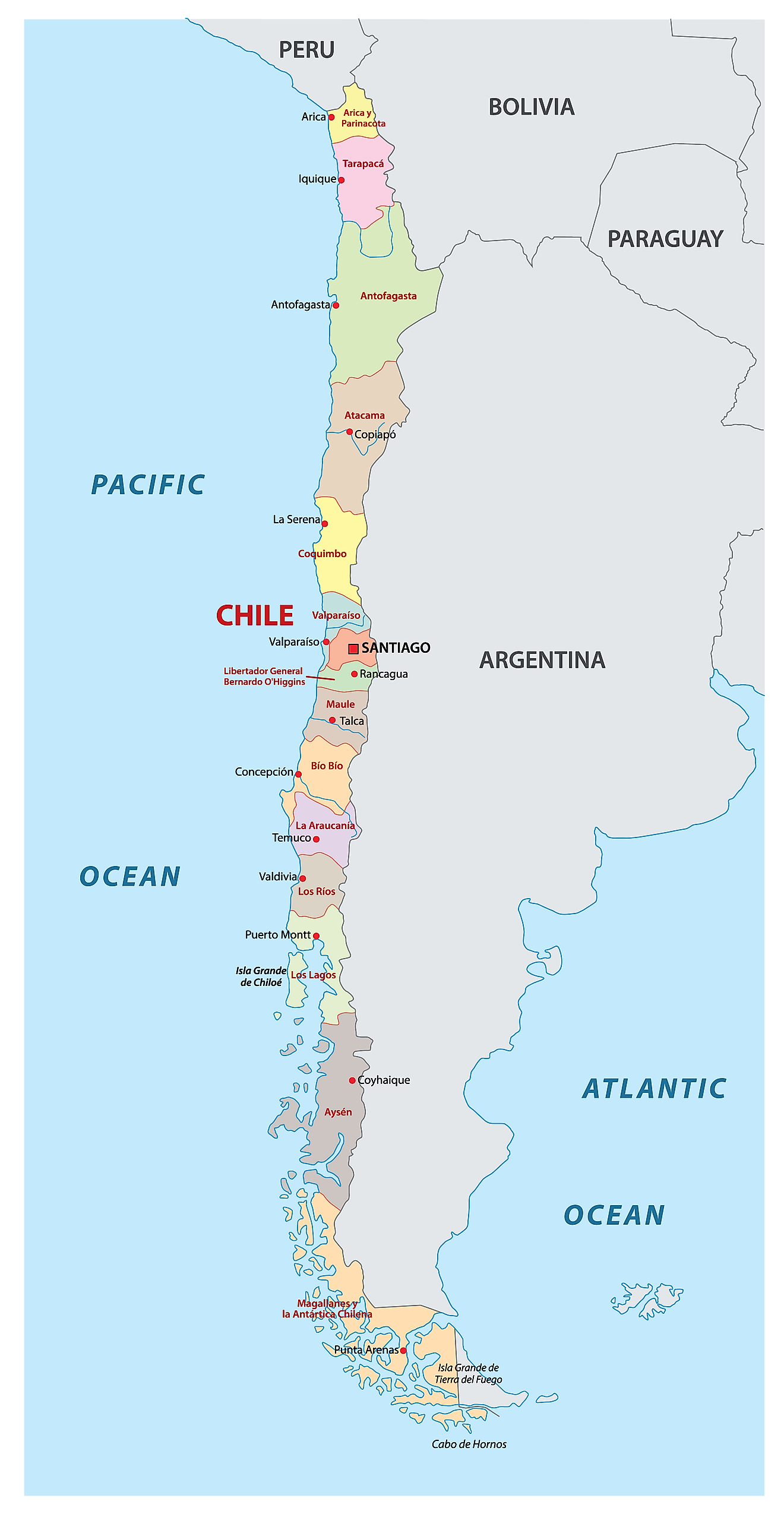 Chile Maps Facts World Atlas Chile Map
 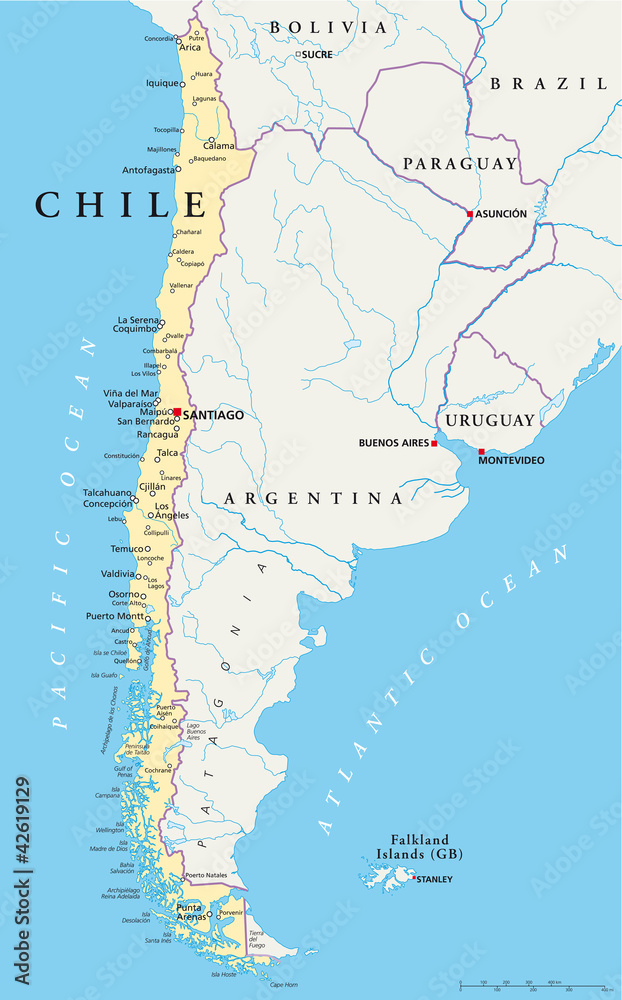 Chile Political Map With Capital Santiago With National Borders Most F
  Chile A Snapshot AQ TREND PREVIEW THUMBNAILS A Scaled
 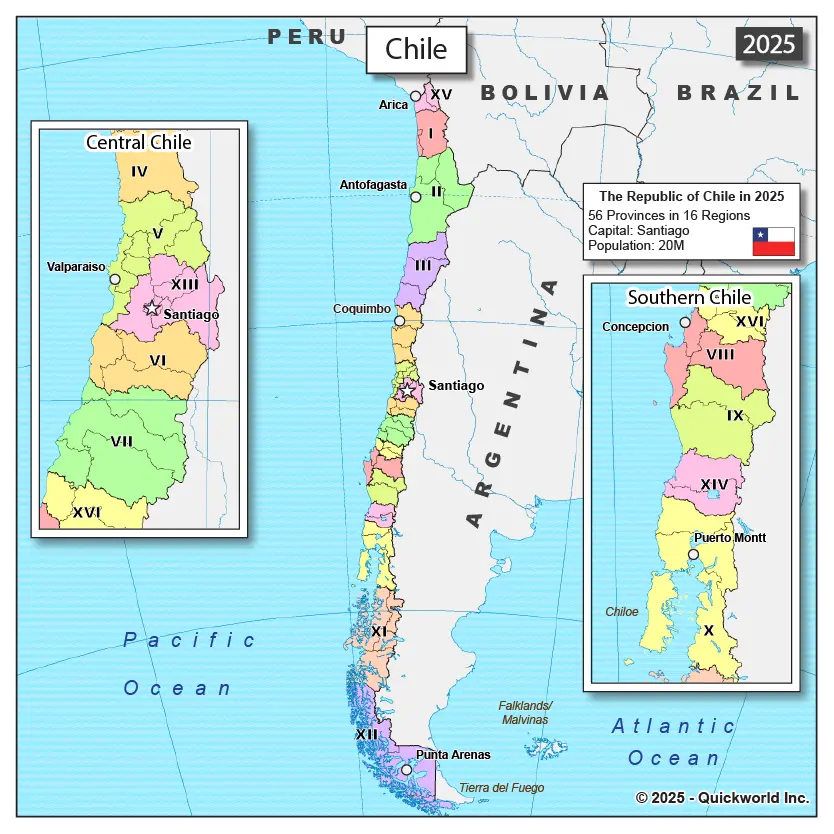 Chile Qmg Chl Y Q.webp
 Chile Map In South America Icons Showing Chile Location And Flags
  Chile Maps Printable Maps Of Chile For Download Chile Map
  Chilean Fjords Scenic Shores Itinerary Santiago Valpara So
 Calendario Chile Chile Calendario
  Chile Map Location Detailed Physical Map Of Chile With Major Cities Small