If you are asking "how can I quit smoking crack," you are ready for a significant life change. Understanding the journey ahead is the first crucial step towards lasting recovery. Quitting crack cocaine addiction is challenging but absolutely achievable with the right support and strategies. Many individuals in the United States successfully navigate this path daily. This guide provides vital navigational and informational resources to help you understand what to expect. We cover detoxification processes, therapy options, and building a strong support system. Exploring effective ways to manage cravings and prevent relapse is key. You will find practical advice and encouragement to start your personal journey towards a healthier, crack-free life. This information is designed to empower you with knowledge and hope.
Asking "how can I quit smoking crack" is a powerful declaration for a healthier future. It represents a brave first step toward overcoming a significant challenge. This journey involves professional guidance, personal commitment, and robust support systems. Many individuals successfully navigate this path to a fulfilling, crack-free life. Understanding the process empowers you to make informed decisions for your well-being.
Quitting crack cocaine often begins with acknowledging the problem and seeking help. This immediate action is critical for safety and long-term success. Detoxification is usually the first phase, managing withdrawal symptoms in a controlled environment. Following detox, therapy, such as cognitive behavioral therapy, helps address the root causes of addiction. Support groups provide invaluable peer encouragement and shared experiences, reinforcing your resolve.
Understanding crack addiction involves recognizing its powerful grip on the brain. Crack alters brain chemistry, making quitting incredibly difficult without assistance. However, hope is always available for those ready to embrace change. Remember, you do not have to face this challenge alone. Professional addiction specialists are ready to guide you.
Effective Strategies for How Can I Quit Smoking Crack
Successfully quitting crack smoking requires a multi-faceted approach. This includes medical support, psychological counseling, and a strong aftercare plan. Addressing both the physical and mental aspects of addiction is essential for lasting recovery. Here are some key strategies to consider:
- Seek immediate medical assessment and supervised detoxification.
- Engage in individual and group therapy sessions consistently.
- Develop coping mechanisms for managing cravings and triggers.
- Build a strong support network of family, friends, and peers.
- Participate in ongoing aftercare programs and support groups.
Your Journey to Quitting Smoking Crack: A Table of Support
| Support Type | Description | Key Benefit |
| Medical Detox | Supervised withdrawal management. | Safe symptom handling. |
| Individual Therapy | One-on-one counseling. | Addresses personal triggers. |
| Group Therapy | Peer-led discussions and support. | Shared experience, reduced isolation. |
| 12-Step Programs | Structured recovery framework. | Lifelong community support. |
| Relapse Prevention | Strategies to avoid future use. | Sustained sobriety skills. |
| Family Counseling | Healing and rebuilding family ties. | Stronger home environment. |
What Others Are Asking? About How Can I Quit Smoking Crack
How long does it take to get clean from crack?
The timeline for getting clean from crack varies greatly for each person. Initial detox may take several days to a week, managing acute withdrawal symptoms. However, psychological recovery and achieving sustained sobriety can be a lifelong journey. Consistent therapy and support are vital for long-term success and healing.
What are the first steps to quit smoking crack?
The very first steps to quit smoking crack involve acknowledging your problem and immediately seeking professional help. Contacting an addiction hotline or a doctor is crucial. They can assess your situation and recommend a supervised detox program. This ensures safety and prepares you for subsequent treatment phases effectively.
What is the most effective treatment for crack addiction?
The most effective treatment for crack addiction often combines medical detoxification with behavioral therapies. Cognitive behavioral therapy (CBT) and motivational interviewing are highly recommended. Participation in support groups like Narcotics Anonymous also provides essential peer support. A personalized treatment plan tailored to individual needs yields the best outcomes.
Can crack addiction be cured completely?
Crack addiction cannot typically be
Immediate professional help is crucial. Detoxification and therapy are vital steps. Building a strong support network truly matters. Learning to manage triggers helps prevent relapse. Recovery is a continuous journey of self-discovery. Quitting crack cocaine is possible. Embrace the path to a healthier future.
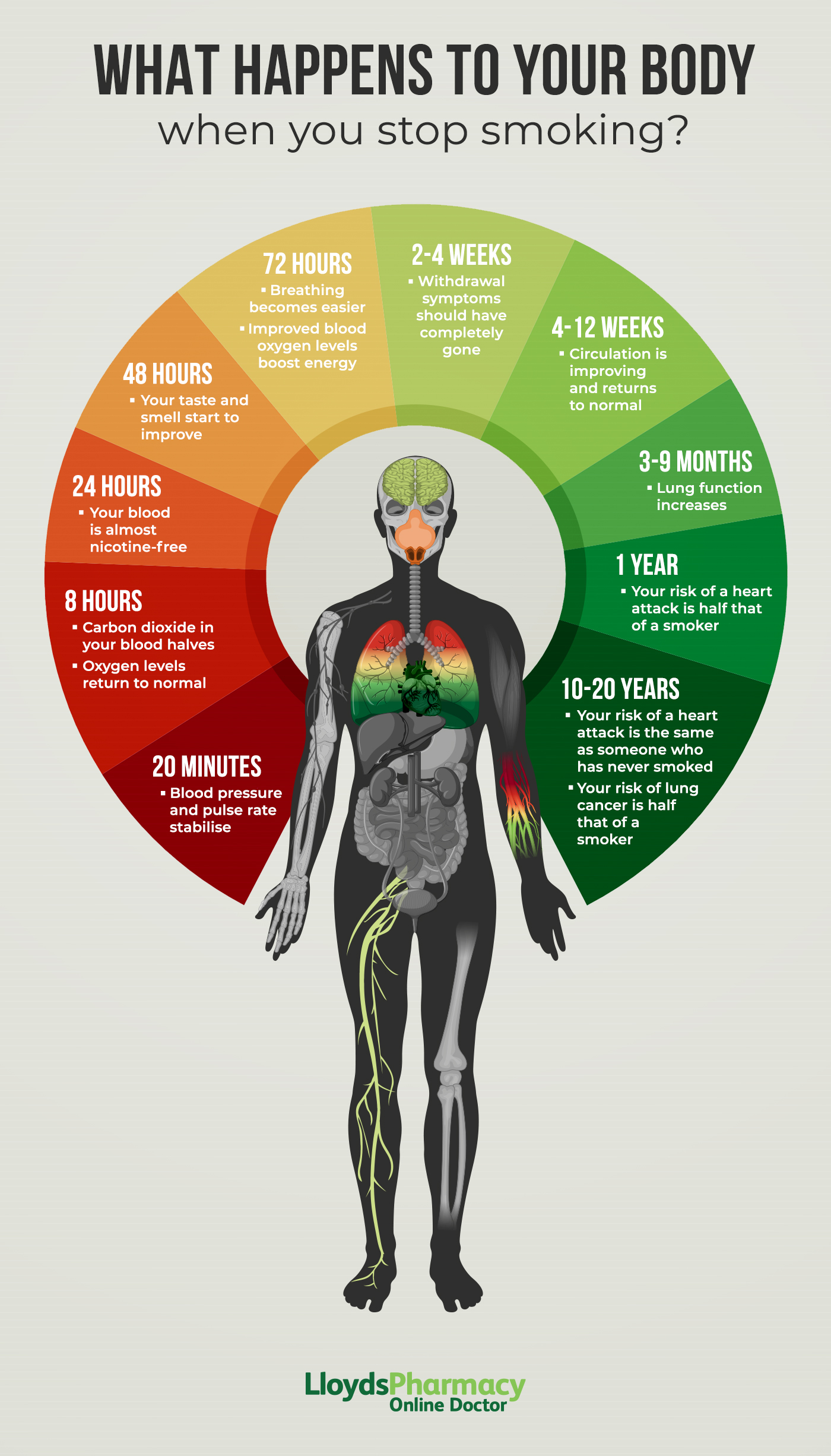
How To Stop A Burner From Smoking At Emma Pitt Blog Quit Smoking 3 What Happens When You Stop Smoking Baptist Health Stop Smoking Infographic Make No Smoking Day 2023 The Day You Quit For Good Jesmond Health Money 1024x576
7 Steps To Quitting Smoking Steps To Quitting Smoking 768x563 Stop Smoking Timeline By Age What Changes Faster 950f43 10 Tips And Tricks That Could Help You Stop Smoking NHS Quit Smoking Infographic 1920w Archive Health Discovery Infographic Stop Smoking Vaping
Quitting Smoking In Your 20s Vs 40s What Changes 950f43 Quit Smoking Poster For Inpatient Settings ASH MH Poster How To Quit Smoking Smoking And Tobacco Use CDC You Can Quit Pdf 1200x675 1 Leader Live Leader Live Added A New Photo Media
Stoptober You Can See The Benefits Of Quitting Smoking After 20 63221219 0 Image A 5 Quit Vaping Quit Smoking Quit Tobacco Go Red For Women ABH Quit Smoking PDF How Can I Quit Smoking PDF 1702012987What You Should Know About Quitting Cigarette Or Tobacco Use A 5 Step SL Quittobacco 1024x1024
Tips Resources To Quit Smoking Absolute Health Science CDC Quit Smoking How To Quit Smoking A Guide To Breaking The Habit By After You Stop Smoking Timeline Debbie Waller Therapies Image 768x1920 Want To Quit Smoking In 2026 Plan Now Franciscan Health Quit Smoking Success
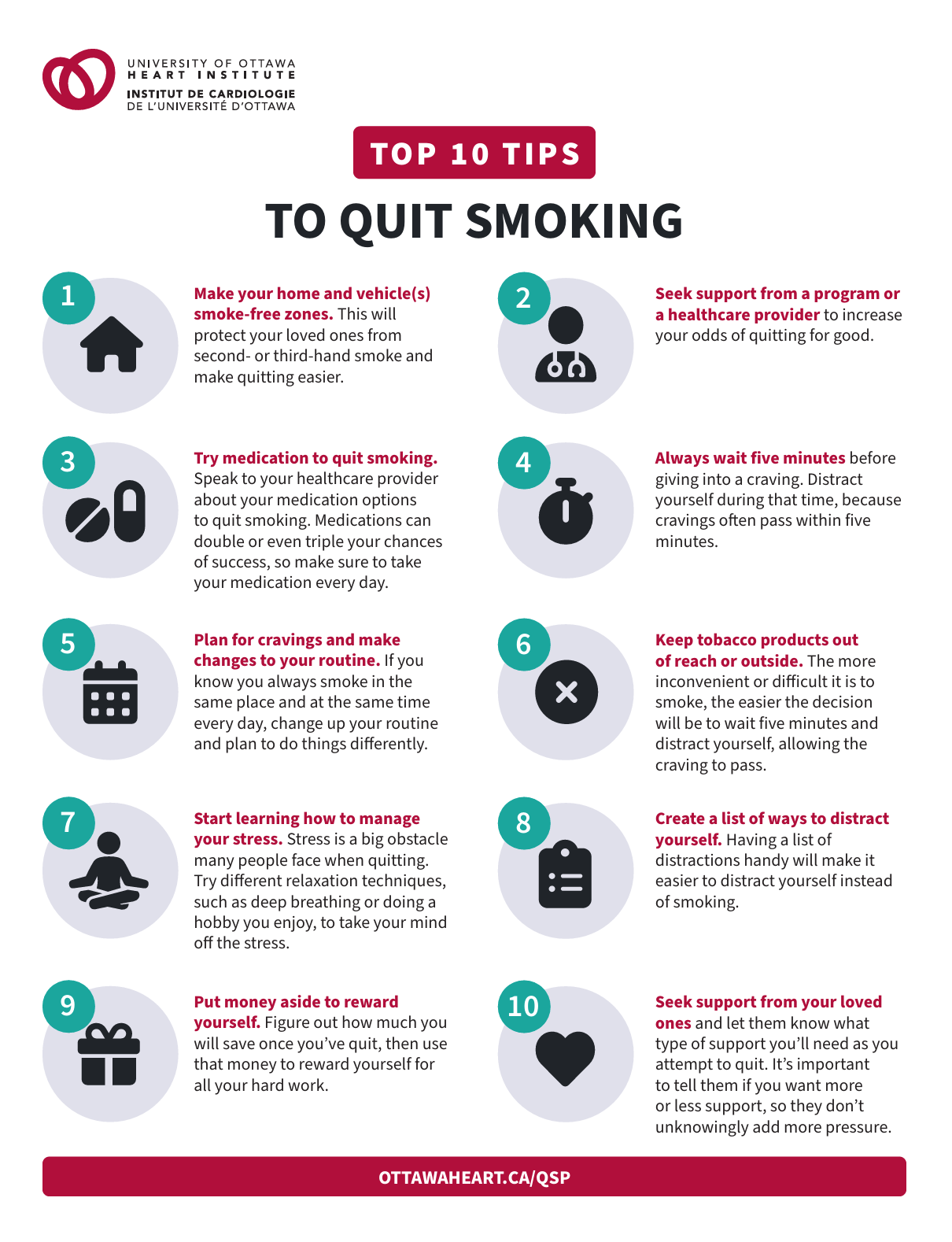
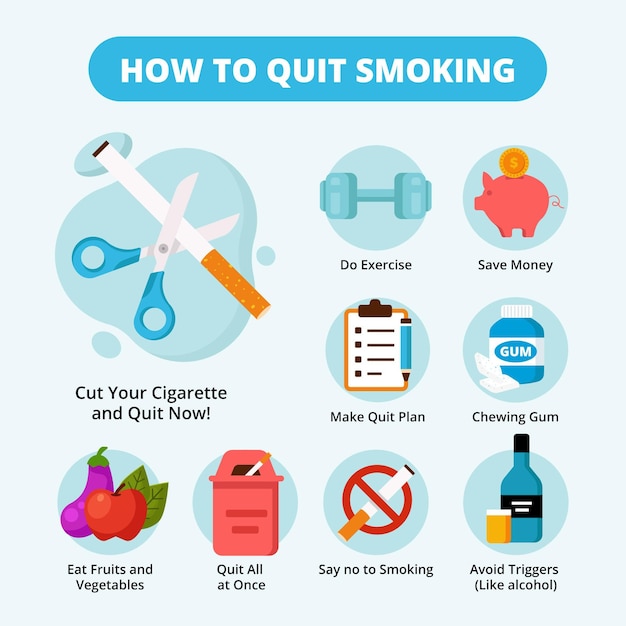
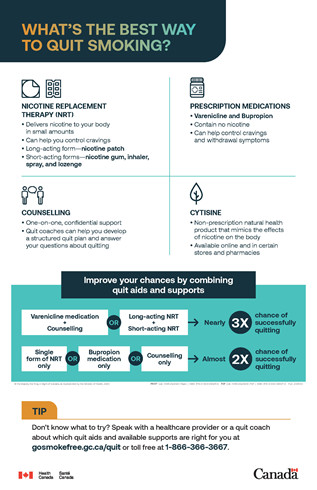
The Ultimate Guide To Quit Smoking Permanently Nerd Fitness MindBody I Quit 713x589 What S The Best Way To Quit Smoking Canada Ca Best Way Quit Smoking Infographic Top 10 Tips To Quit Smoking University Of Ottawa Heart Institute Top 10 Tips To Quit Smoking Free Vector How To Quit Smoking Infographic How Quit Smoking Infographic 23 2148698519
Quit Smoking NOW App 2026 Max Kirsten Quit Smoking Now Download 2024 With Qr Code How To Quit Smoking At Home Stop Smoking Infographic How To Quit Smoking Infographic Free Vector How Quit Smoking Infographic 23 2148689176 Eager To Quit Smoking Explore Smoking Stories 1Smokes Quit Smoking
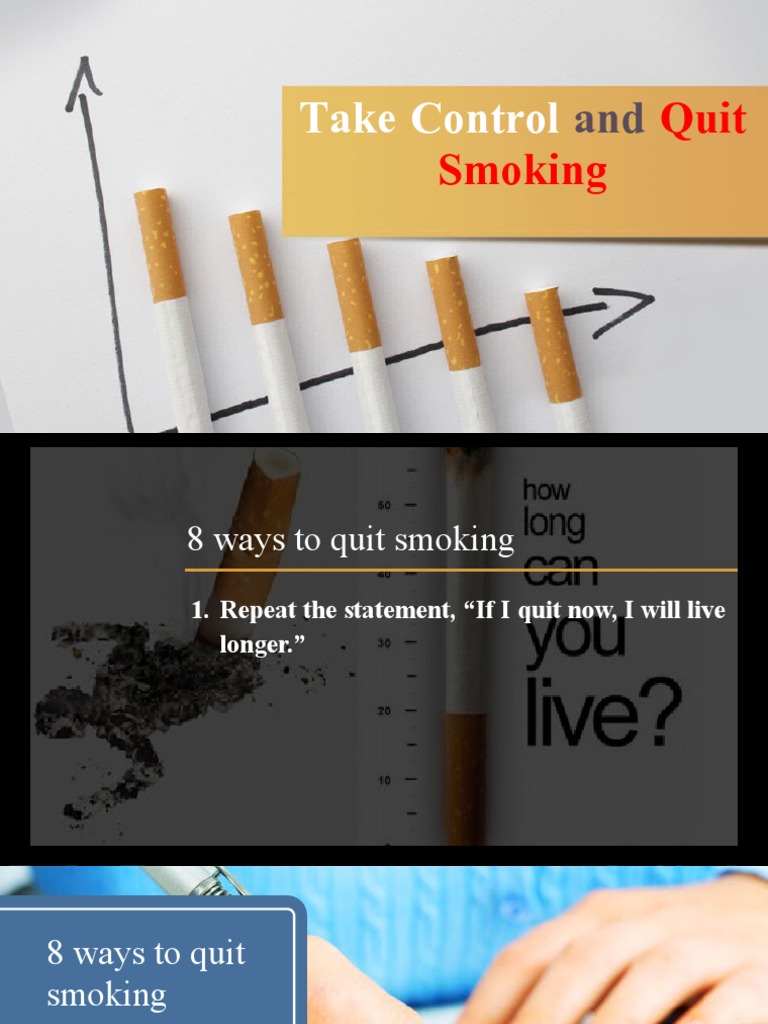
8 Effective Strategies For Quitting Smoking And The 1703633768Explore 8 Ways You Can Quit Smoking EliteCare HC EliteCare SubBlog 3 13 07 2023 Your Body After You Quit Smoking With Infographic What Happens To Your What Happens With You Stop Smoking Infographic Picture Data Five Tips To Quit Smoking See All Health Articles Raffles Health Banner Ways To Quit Smoking
How Can I Quit Smoking Or Stop Other Unhealthy Habits 2026 Healthy Unhealthy Habits 05 How To Quit Smoking Step By Step Guide For COPD Patients How To Quit Smoking Blog Quit Smoking Stages How Long Each Stage Really Lasts 950f43 Stop Smoking Start Repairing Recovery Help Quit Smoking Quit Benefits Of Quitting Smoking Reasons To Quit Smoking