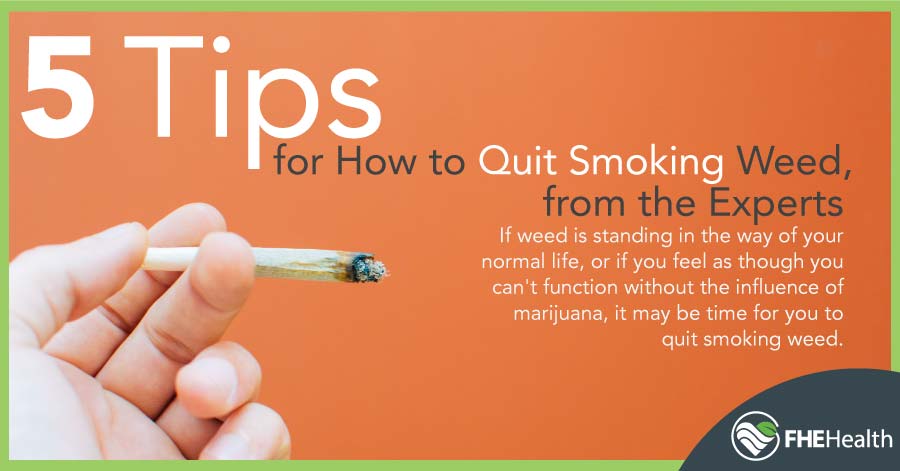
Are you searching for practical ways to truly break free from cannabis? Many individuals wonder, How can I stop smoking weed? and seek effective strategies to reclaim their lives. This comprehensive guide serves as your trusted companion on the journey to quitting marijuana, offering actionable advice, understanding withdrawal symptoms, and building a robust support system. We delve into why quitting can be challenging yet incredibly rewarding, exploring the mental and physical aspects of cannabis cessation. Youll discover motivational insights, learn coping mechanisms, and find clear steps to navigate this significant life change successfully. This article provides the information and encouragement you need to embark on a healthier, clearer path, empowering you to achieve your goal of stopping marijuana use and experiencing the profound benefits of a smoke-free future.
Have you been asking yourself, How can I stop smoking weed? If so, you are not alone; countless individuals worldwide wrestle with this very question, seeking a pathway to sobriety and a clearer mind. This article will serve as your comprehensive guide, showing you who can benefit from quitting, what the process entails, when the best time to start might be, where you can find support, why embracing this change is vital for your well-being, and how you can successfully navigate each step. Deciding to quit cannabis can feel overwhelming, but understanding the journey ahead empowers you to take control. You are embarking on a profound personal transformation that promises improved health, sharpened focus, and a renewed sense of purpose. This decision marks a pivotal moment, truly opening doors to a life lived with greater intention and freedom from the daily routine of smoking weed. When you commit to this goal, you unlock a future where your potential can truly flourish, unhindered by the habitual use of cannabis, ensuring you are prepared for whatever comes next.
Why Quit? How Can I Stop Smoking Weed for Better Health?
Why would someone choose to stop smoking weed, especially when it might feel like a comfort or a routine? The reasons are as varied as the individuals themselves, but often revolve around reclaiming control, improving physical and mental health, and achieving personal goals that feel out of reach while using cannabis. Many people find that prolonged or heavy use affects their motivation, memory, and overall productivity. When they consider how their current habits impact their aspirations – whether it’s excelling in a career, strengthening relationships, or pursuing new hobbies – the desire to quit becomes a powerful driving force. What kind of changes can you expect? Quitting often leads to better sleep patterns, increased energy, enhanced focus, and a significant improvement in mood stability. It allows you to engage more fully with life, fostering genuine connections and tackling challenges with newfound clarity. You might discover dormant passions or find yourself more present in everyday moments, realizing the true potential that was always within you, waiting to be unleashed, when you actively work to stop smoking weed.
Preparing to Quit: How Can I Stop Smoking Weed Effectively?
The journey to stop smoking weed begins long before your last puff; it starts with thoughtful preparation and a clear strategy. How can you effectively prepare for this significant change? First, set a clear quit date, giving yourself a few days or weeks to get ready mentally and physically. This allows you to plan how you will manage your time, what activities you will engage in, and who you will lean on for support. What steps should you take leading up to that date? Gradually reduce your usage, if possible, to ease into the transition, or decide on a cold turkey approach if that feels more suitable for you. Remove all paraphernalia – grinders, papers, pipes, and any remaining cannabis – from your home and car to eliminate immediate temptations. Think about when you typically smoke and devise alternative activities for those times. Where can you find initial support? Inform trusted friends, family members, or a therapist about your decision, creating an accountability network. This preparation phase is crucial, building a strong foundation for your success in quitting, and it truly empowers you to face the challenges ahead with confidence.
Understanding Withdrawal: How Can I Stop Smoking Weed Without Suffering?
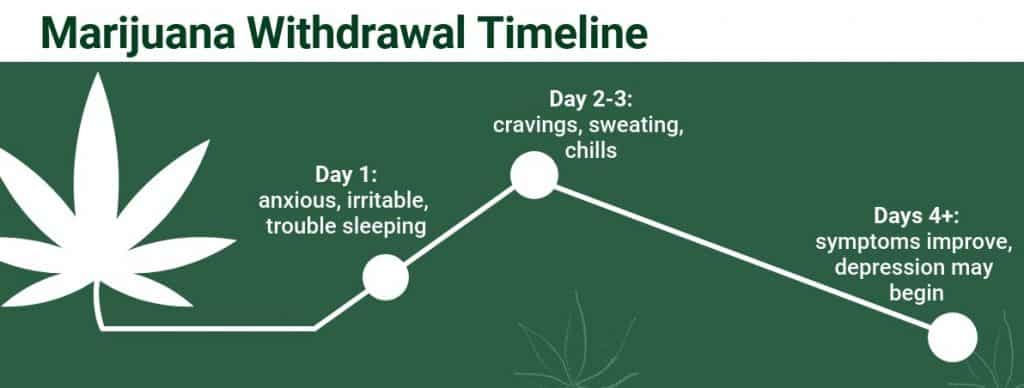
When you decide to stop smoking weed, understanding the potential withdrawal symptoms can significantly reduce anxiety and help you prepare to manage them effectively. What exactly are these symptoms, and when do they typically appear? Common cannabis withdrawal symptoms include irritability, anxiety, sleep disturbances (insomnia or vivid dreams), decreased appetite, headaches, and mood swings. These symptoms usually begin within 24-72 hours after your last use, peaking around the first week and gradually subsiding over a few weeks or sometimes longer, depending on the individual and previous usage patterns. How can you minimize suffering during this period? Focus on self-care: stay hydrated, eat nutritious meals, engage in light exercise, and practice relaxation techniques like deep breathing or meditation. Who can help you through this? Leaning on your support system, whether it’s friends, family, or a professional, becomes incredibly important. They can offer encouragement and help distract you during difficult moments. Remember, these symptoms are temporary, a sign that your body and mind are readjusting to a cannabis-free state, and perseverance through this phase is key to truly stopping smoking weed and achieving lasting sobriety.
Coping Strategies: How Can I Stop Smoking Weed and Manage Cravings?
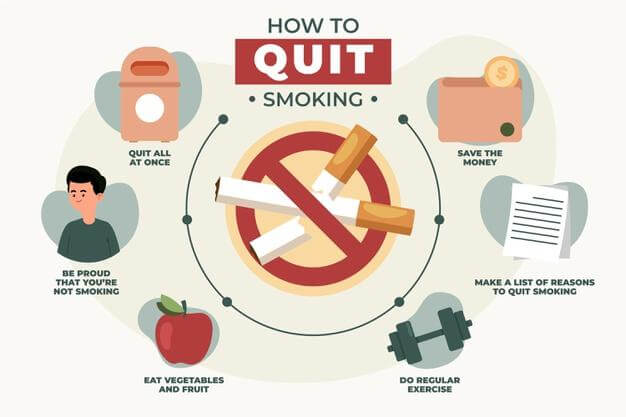
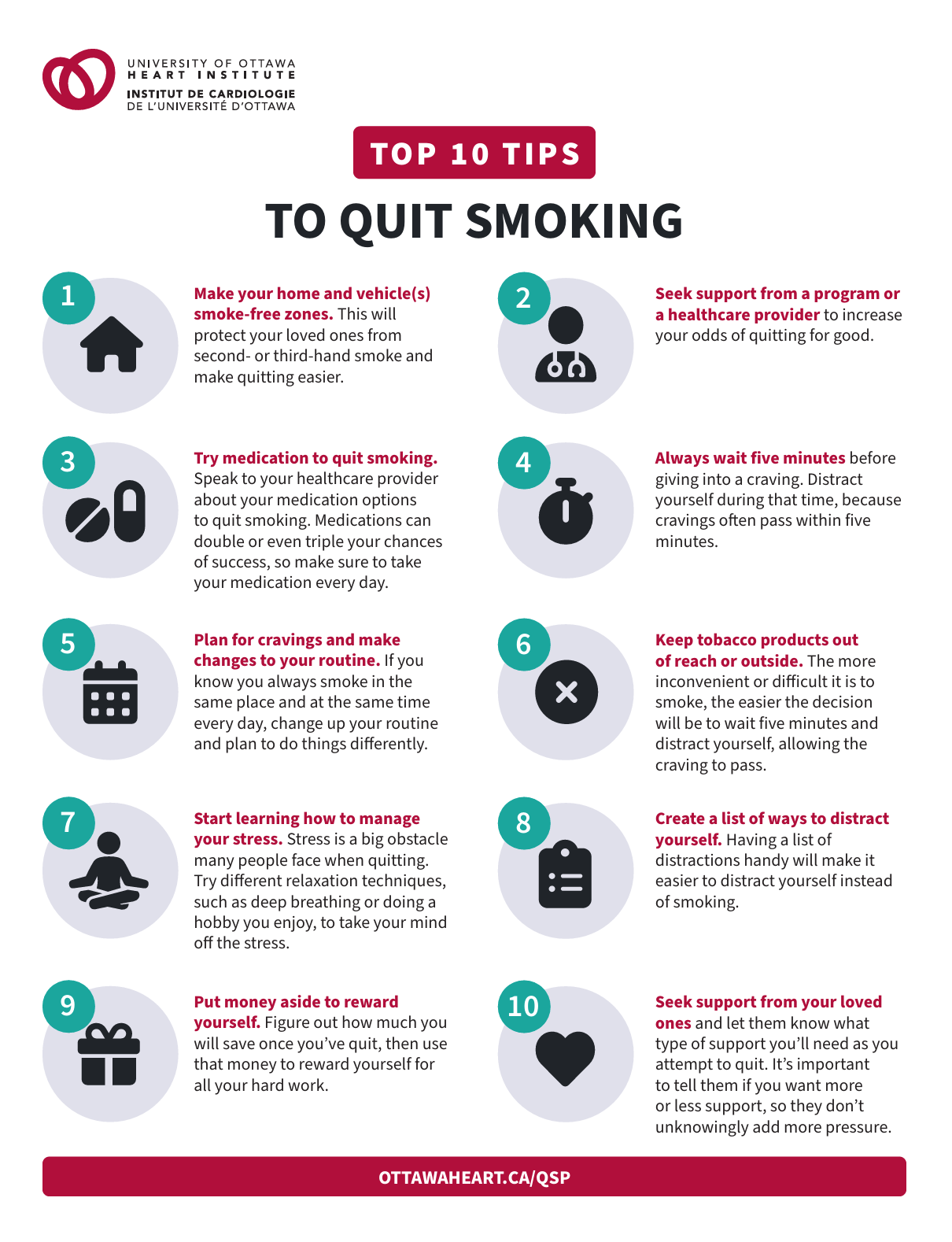
Managing cravings is a central challenge when you choose to stop smoking weed, but effective strategies exist to help you navigate these moments without succumbing. What methods can you employ to cope with intense urges? The four Ds are excellent tools: Delay (wait it out, cravings often pass in minutes), Distract (engage in an activity that occupies your mind), Drink (sip water or juice), and Deep breathe (practice calming breaths). When do cravings typically hit hardest? Often, they occur in situations or places where you used to smoke, or during times of stress or boredom. How can you prepare for these triggers? Identify your personal triggers in advance and develop specific plans for each. For example, if you always smoked after dinner, plan a walk or a phone call with a friend during that time. Why is finding healthy distractions so important? They shift your focus away from the craving and reinforce new, positive behaviors. Engaging in hobbies, exercise, or creative pursuits can provide immense relief and a sense of accomplishment. Remember, each time you successfully navigate a craving, you strengthen your resolve and move closer to your goal of truly stopping smoking weed, proving to yourself that you possess the strength to overcome.
| Phase of Quitting Weed | Key Challenges | Effective Strategies for How Can I Stop Smoking Weed |
|---|---|---|
| Preparation (Pre-Quit) | Hesitation, lack of plan | Set a quit date, tell supportive people, remove all paraphernalia, identify triggers. |
| Early Withdrawal (Days 1-7) | Intense cravings, irritability, insomnia, anxiety, low mood | Stay hydrated, healthy diet, light exercise, relaxation techniques, lean on support system. |
| Mid-Withdrawal (Weeks 2-4) | Lingering cravings, mood swings, lethargy, vivid dreams | Develop new routines, engage in hobbies, attend support groups, practice mindfulness, reward small successes. |
| Long-Term Recovery (Month 2+) | Relapse triggers, emotional challenges, boredom, complacency | Continue self-care, maintain strong support, build resilience, develop strong coping mechanisms, set new goals. |
Building a Support System: How Can I Stop Smoking Weed with Help?
You do not need to embark on the journey to stop smoking weed alone; building a robust support system dramatically increases your chances of success. Who should be part of this crucial network? Start with trusted friends and family members who genuinely care about your well-being and understand your goal. What other resources are available? Consider joining support groups like Marijuana Anonymous (MA) or Narcotics Anonymous (NA), where you can connect with others facing similar challenges. These groups provide a safe space to share experiences, gain insights, and receive encouragement from people who truly get it. When is the best time to seek professional help? If you struggle with severe withdrawal symptoms, co-occurring mental health conditions, or feel overwhelmed, a therapist or counselor specializing in addiction can offer personalized strategies and professional guidance. Why is a strong support system so vital? It provides accountability, empathy, and practical advice, helping you navigate difficult moments and celebrate victories. Knowing you have people in your corner who believe in you empowers you to push through challenges, making the path to stopping smoking weed feel less isolating and more achievable.
New Healthy Habits: How Can I Stop Smoking Weed and Live Better?
After deciding to stop smoking weed, replacing old habits with new, healthier routines becomes a cornerstone of long-term success and improved well-being. What kinds of habits can you cultivate to support your sobriety? Focus on incorporating regular physical activity, which acts as a powerful mood booster and stress reliever. Whether its walking, running, yoga, or lifting weights, movement helps your body release natural feel-good chemicals. When should you start these new routines? Begin integrating them as soon as possible, even before your quit date, to establish them firmly. Prioritize a balanced diet, consuming nutritious foods that stabilize your energy levels and support your brain health. Where can you find motivation for these changes? Set small, achievable goals, celebrating each milestone along the way, reinforcing positive self-talk and building momentum. Why are hobbies and mindfulness so impactful? Engaging in new interests like reading, painting, learning an instrument, or practicing meditation fills the void left by cannabis use, providing a sense of purpose and calm. These intentional lifestyle changes not only help you stop smoking weed but also pave the way for a more fulfilling, vibrant, and genuinely satisfying life, demonstrating your unwavering commitment to yourself.
Preventing Relapse: How Can I Stop Smoking Weed for Good?
Stopping smoking weed is a significant achievement, but maintaining sobriety requires ongoing vigilance and proactive strategies to prevent relapse. How can you effectively prepare for potential setbacks and ensure long-term success? First, identify your high-risk situations and triggers. What are the specific people, places, or emotions that make you most vulnerable to wanting to use again? Once identified, create a detailed plan for how you will avoid or navigate these situations. For example, if certain friends are a trigger, you might need to limit contact or choose to meet them only in environments where cannabis is absent. When you feel a craving or encounter a trigger, immediately reach out to your support system – a trusted friend, family member, sponsor, or therapist. Why is self-compassion crucial? If you do slip up, view it as a learning opportunity rather than a failure. Analyze what led to the relapse, adjust your strategies, and recommit to your goal without self-criticism. Regularly reflect on why you chose to stop smoking weed in the first place, reminding yourself of the immense benefits you have gained. Developing strong coping mechanisms, practicing self-care, and continuously nurturing your support network will empower you to stay on track and live a cannabis-free life for good, truly embodying resilience.
Remember, your journey to quit is unique, and progress often isnt linear. Be patient and kind to yourself throughout the process. You possess the strength and resilience to achieve this significant goal. How can I stop smoking weed for good? By taking it one day at a time, with preparation, support, and a firm belief in your ability to change.
keywords: stop smoking weed, how to quit marijuana, quit cannabis, marijuana addiction help, cannabis withdrawal symptoms, benefits of quitting weed, overcome weed habit, getting sober from weed, recovery from cannabis use, strategies to stop smoking weed, why quit cannabis Related games- Sunny and Melon Roblox: What's the Latest Scoop?
- What Are The Best Fruits Roblox Players Are Chasing?
- Bubble Gum Infinity Roblox Whats the Hype
- Rams Game Score Today Your Instant Update!
- Jalen Hurts Next Game: Will He Play? Eagles Status Update
Understand why you want to quit, prepare for withdrawal, develop coping strategies, build a strong support system, establish new healthy habits, and prevent relapse effectively.
6 Key Coping Skills For Addiction Recovery What Happens When You Stop Smoking Weed A Timeline Top 10 Tips To Quit Smoking University Of Ottawa Heart Institute Top 10 Tips To Quit Smoking How To Quit Smoking Weed The Farm Rehab In Stouffville How To Quit Smoking Weed 2 1
Stop Smoking Public Health Dorset Dorset Council 74c8367c 2b45 1d4d 32b9Tips Resources To Quit Smoking Absolute Health Science CDC Quit Smoking After You Stop Smoking Timeline Debbie Waller Therapies Image Amazon Com EASY GUIDE ON HOW TO QUIT SMOKING MARIJUANA Simple But SL1500
Stoptober You Can See The Benefits Of Quitting Smoking After 20 63221219 11286805 Image A 3 How To Quit Smoking Marijuana Your Step By Step Guide To Quitting SL1500 What Happens When You Stop Smoking Baptist Health Stop Smoking Infographic Want To Quit Smoking In 2026 Plan Now Franciscan Health Quit Smoking Success
5 Tips To Quit Smoking Weed From Experts FHE Health FHE Health Tips To Quit Smoking Weed From The Experts Quitting Smoking Health Timeline Meryfree How To Quit Smoking Marijuana Safely How To Quit Smoking Marijuana Img Marijuana Withdrawal Detox Signs Symptoms Treatment More Marijuana Withdrawal Timeline
How To Quit Smoking Weed A Cessation Guide How To Quit Smoking Weed 1024x538 How To Quit Smoking Weed Tapering Off Vs Cold Turkey In 2024 How To Quit Smoking Weed Want To Quit Smoking In 2026 Plan Now Franciscan Health Stop Smoking New Year How To Stop Vaping Online Doctor UK What Happens With You Stop Smoking Infographic Picture Data
How To Quit Smoking Weed How To Quit Smoking Weed 5208527 ADD Color V3 How To Stop Smoking Weed Best Ways To Quit Smoking Weed 7 Steps Quit Weed Quit Smoking Poster For Inpatient Settings ASH MH Poster When Is The Best Time To Quit Smoking How To Quit Smoking
Saadfinger Blog Quit Smoking Quitting Tips For Cannabis Halpern Felsher REACH Lab Stanford Medicine 2023 Nicotine Cannabis R1 Flyer How To Stop Smoking Weed In 10 Steps Stop Smoking Weed In 10 Steps 1 1024x724 How To Stop Smoking Weed Without Withdrawals Beaver Bud Quit Weed
5 Tips To Quit Smoking Weed From Experts FHE Health Fhe 5 Tips For Quitting Weed 1024x536 How To Stop Smoking Weed Infographic ONLY YOU CAN CHANGE YOUR LIFE How To Stop Smoking Weed Everyday Infographic Large How To Stop Smoking Weed In One Month Complete Guide On How To Stop 62088062 What You Should Know About Quitting Cigarette Or Tobacco Use A 5 Step SL Quittobacco
How To Quit Smoking Weed The Only Guide You Need To Stop Smoking How To Quit Smoking Weed Tapering Off Vs Cold Turkey In 2024 How To Quit Smoking Marijuana Tips To Stop Smoking Weed How Quit Marijuana The Complete Guide Tips To Stop Smoking Weed Quit Marijuana The Complete Guide Can

:max_bytes(150000):strip_icc()/how-to-quit-smoking-weed-5208527-ADD-Color-V3-31a8c2e1ed7648cbb91df0c7fb20c615.jpg)