Have you ever paused to truly consider what constitutes violence, or how its definition shapes our everyday perceptions and societal responses? This comprehensive article invites you to explore the complex and multifaceted nature of violence, moving beyond simple physical acts to encompass psychological, emotional, and structural forms that impact individuals and communities in the United States and globally. We delve into historical perspectives, discuss the crucial role of intent and context, and examine why a nuanced understanding of violence is absolutely essential for creating effective prevention strategies and fostering a more empathetic world. Discover the hidden forms of aggression, learn about the human cost, and find actionable insights on how we, as a collective, can work towards a future where peace prevails and true well-being is accessible to all. This deep dive aims to clarify ambiguities and empower readers with knowledge, encouraging thoughtful dialogue and proactive engagement in addressing one of humanitys most persistent challenges.
What exactly constitutes violence, and why does this definition matter so profoundly in our daily lives and global interactions? When we talk about violence, who are we truly referring to, and what specific forms can it take? Where do we see its impact most acutely, and how can a clearer understanding help us address it more effectively across communities and cultures? This comprehensive exploration delves into the multifaceted definition of violence, examining its various manifestations, from overt physical acts to subtle psychological harm, and why understanding these distinctions is absolutely crucial for fostering safer societies and promoting individual well-being in the United States and worldwide. We aim to equip you with the knowledge to identify, discuss, and ultimately challenge the pervasive nature of violence, empowering everyone to advocate for a more peaceful existence and a more just society, reflecting on how our interpretations shape our responses to aggression.
What is the Definition of Violence? A Deeper Look at Its Core
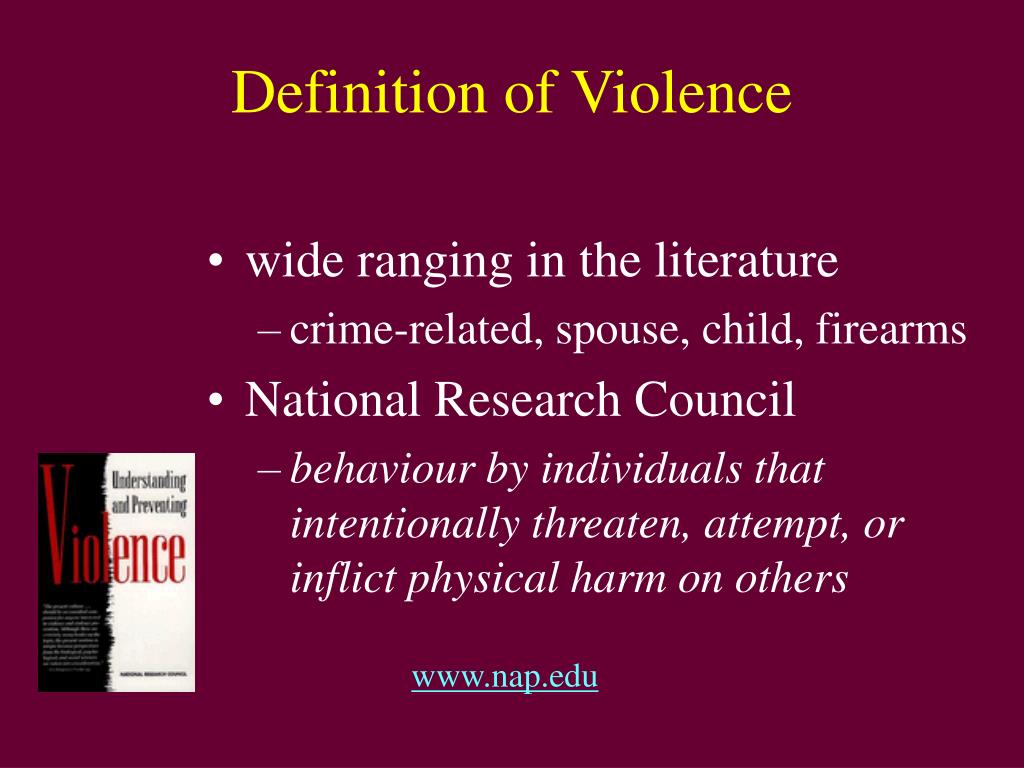
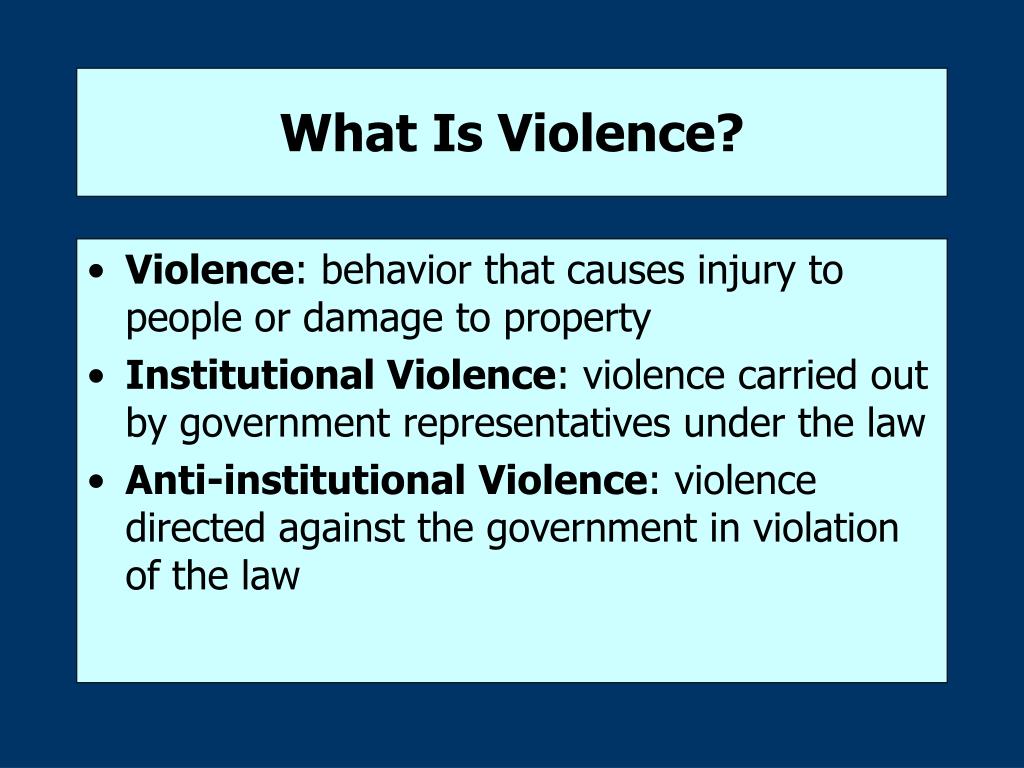
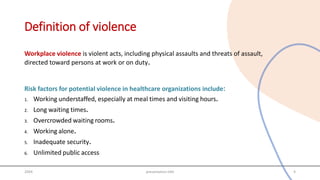
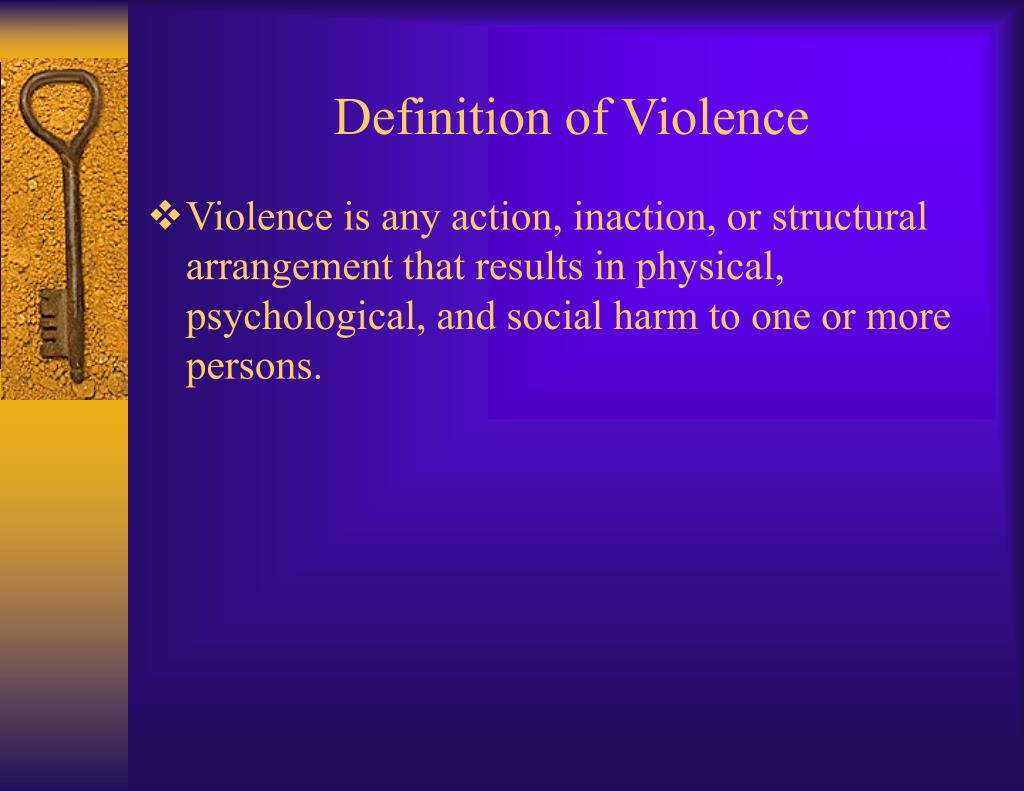
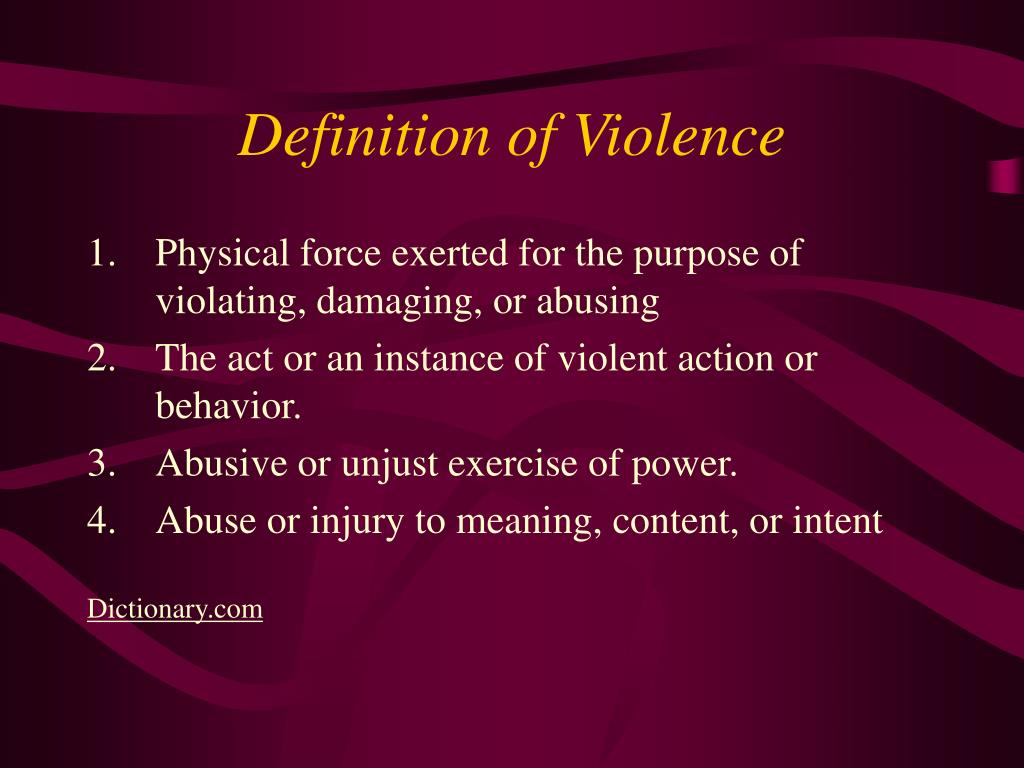
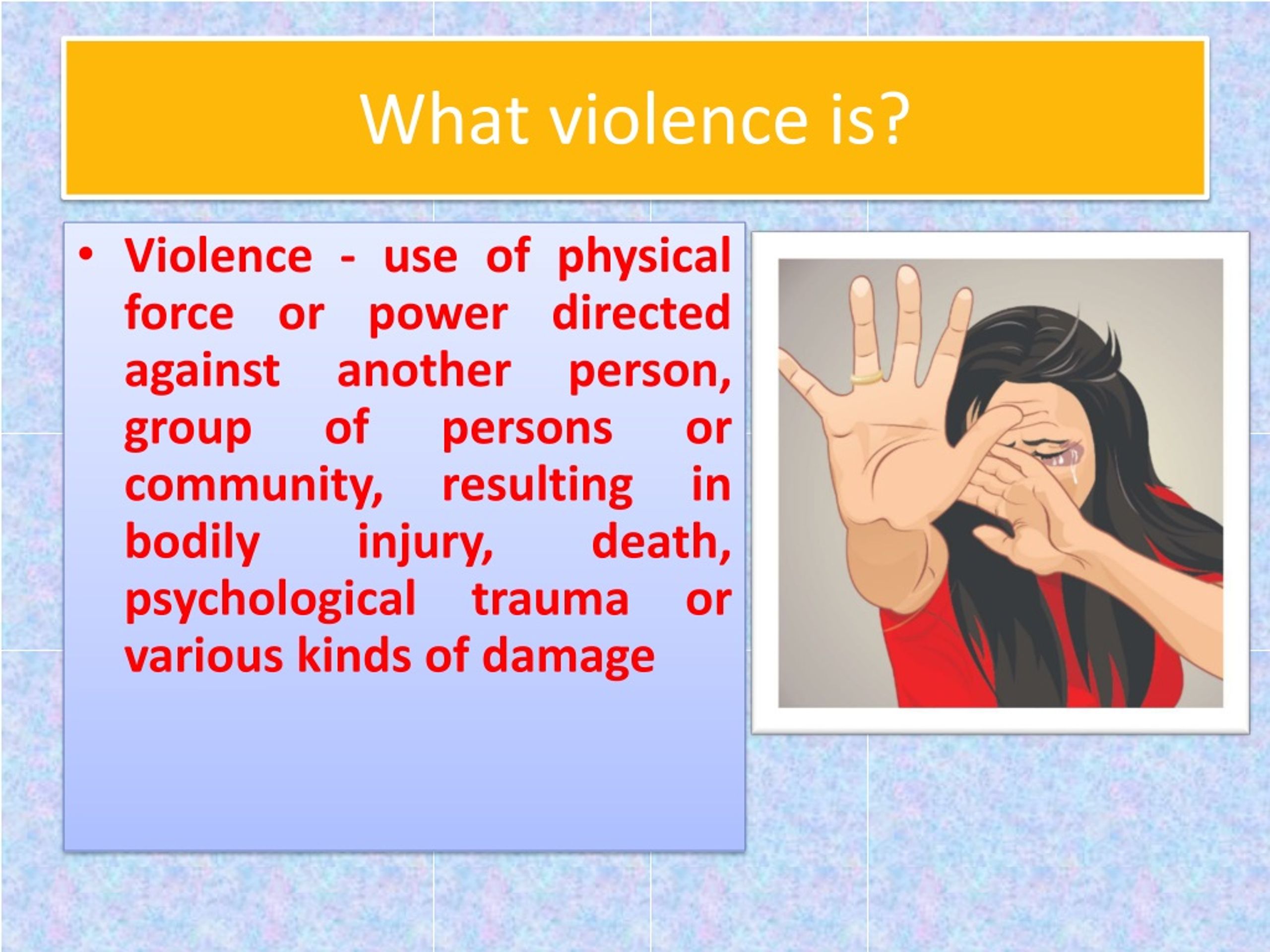
When we ask, what is the definition of violence, we are opening a complex conversation that stretches far beyond simple punches or shoves. Traditionally, many people immediately picture physical assault when they hear the word violence, focusing on actions that cause bodily harm or injury. However, a truly comprehensive definition must encompass a much broader spectrum of behaviors and their profound effects. The World Health Organization (WHO) offers a widely accepted definition, characterizing violence as the intentional use of physical force or power, threatened or actual, against oneself, another person, or against a group or community, which either results in or has a high likelihood of resulting in injury, death, psychological harm, maldevelopment, or deprivation. This definition is powerful because it includes not only direct actions but also threats, and acknowledges the wide array of negative outcomes, emphasizing the psychological and developmental impacts alongside physical ones. Why is this distinction so important for society? Because a limited view of violence prevents us from recognizing and addressing many forms of harm that erode trust, damage mental health, and perpetuate cycles of suffering within our neighborhoods and families. Understanding this broader scope helps us tackle root causes rather than just visible symptoms, thereby fostering genuine safety and well-being for everyone.
Understanding the Scope of Violence: Beyond Physical Harm
The concept of violence expands significantly when we look beyond just the physical, revealing a landscape where harm can be inflicted without a single touch. What about the unseen wounds, the damage to a persons spirit or their sense of worth? This is where psychological, emotional, structural, and cultural violence enter the picture, each presenting unique challenges to identify and confront. Psychological violence, for example, involves acts like intimidation, coercion, constant criticism, or manipulation that undermine a persons mental health and self-esteem, making them feel worthless or trapped. Emotional violence often overlaps with psychological forms, focusing on behaviors that inflict emotional pain, such as gaslighting, chronic neglect, or isolating someone from their support network, which can leave deep, lasting scars. Structural violence, a more abstract but incredibly powerful form, refers to the ways social structures or institutions harm individuals by preventing them from meeting their basic needs or realizing their full potential; think about systemic poverty, inadequate access to healthcare, or discriminatory legal systems that disproportionately affect certain groups. How do these forms of violence operate? They often perpetuate inequality and injustice, creating environments where some people are inherently disadvantaged or oppressed simply by virtue of their identity or circumstances. Cultural violence, on the other hand, describes aspects of a culture that legitimize direct or structural violence, such as ideologies of superiority, religious justifications for oppression, or the normalization of harmful traditions. Recognizing these varied forms is not just academic; it empowers us to see the full picture of suffering and develop more holistic, effective solutions for genuine societal healing and progress.
The Nuances of Non-Physical Violence: Defining the Intangible
When we consider what non-physical violence truly means, we step into a realm where the wounds are often invisible to the naked eye but inflict profound and lasting damage. How do we define something that leaves no bruises or broken bones, yet shatters a persons spirit or diminishes their future? Examples abound in everyday life, from the relentless bullying a child endures at school, chipping away at their confidence, to the subtle yet pervasive racial microaggressions that remind individuals of their perceived otherness. Emotional abuse in a relationship, where one partner constantly belittles or controls the other through psychological manipulation, causes profound trauma, eroding self-worth and autonomy. Cyberbullying, a modern manifestation, allows attackers to spread hateful messages or rumors remotely, reaching victims anywhere and anytime, creating a relentless cycle of fear and isolation. Why is it so crucial to specifically identify and name these intangible forms of violence? Because without a clear definition, these acts often go unrecognized, unaddressed, and therefore, unpunished, perpetuating cycles of harm. When a community or society fails to acknowledge that psychological warfare or systemic discrimination are forms of violence, it implicitly legitimizes them, leaving victims without recourse and preventing meaningful intervention. Acknowledging these nuances gives us the language and the framework to challenge these harmful behaviors, supporting those who experience them and advocating for environments where mental and emotional well-being are prioritized as much as physical safety. This understanding ensures we address the full spectrum of harm and work towards a truly inclusive and respectful society.
Historical Perspectives on Violence: How Definitions Evolved
Tracing the historical understanding of violence reveals a fascinating evolution, reflecting shifts in societal values, scientific knowledge, and political landscapes. When and where did our definitions begin to change, and why did they expand beyond brute force? In ancient times, violence was often accepted as a natural part of conquest, governance, or even personal honor, with definitions largely tied to warfare, punishment, or retribution. Duels, for instance, were a formalized act of violence considered an acceptable way to settle disputes among gentlemen in certain periods. However, as societies progressed and legal systems became more formalized, the concept of what constituted unacceptable violence began to narrow, emphasizing the states monopoly on legitimate force and criminalizing individual acts of aggression. The 19th and 20th centuries, particularly with advancements in psychology and sociology, brought a profound shift. Scholars and activists started to highlight the psychological and social dimensions of harm, questioning if violence was solely about physical injury. The womens suffrage movement and later feminist movements, for example, brought domestic violence and sexual assault into public discourse, redefining these as grave societal issues rather than private family matters. The civil rights movement further expanded our understanding by exposing structural and systemic violence embedded in discriminatory laws and practices. How did these historical shifts influence our current understanding? They broadened the definition from mere physical acts to include economic deprivation, political oppression, and psychological torment. This continuous re-evaluation shows us that what we call violence is not static but rather a dynamic concept, constantly being shaped by our collective understanding of human rights, dignity, and societal responsibility, pushing us to constantly ask what more we can do to protect each other.
When Do Acts Become Violent? Context and Intent
Determining precisely when an act crosses the line into violence often hinges critically on two interconnected factors: context and intent. What circumstances transform a rough push during a game into an assault, or a harsh word into emotional abuse? The who, what, where, when, why, and how of an incident are paramount in this assessment. For instance, a surgeon making an incision on a patients body causes physical harm, but because the intent is therapeutic and the context is medical, it is not considered violence; quite the opposite, it is an act of healing. Conversely, if that same physical act were performed outside a medical setting with malicious intent, it would unequivocally be violent. Intent plays a massive role, differentiating between accidental harm and deliberate aggression. Was the action meant to cause fear, pain, or control? Was it intended to diminish another persons well-being or autonomy? The context provides the backdrop against which intent is interpreted. A loud argument between two strangers on a street corner, for example, might be alarming, but when the same level of verbal aggression occurs repeatedly within a domestic partnership, isolating one person and eroding their self-worth, it clearly points to a pattern of emotional violence. How do we distinguish? We examine the power dynamics, the relationship between the individuals, and the broader societal implications of the action. This careful consideration of context and intent is not just academic; it forms the foundation of legal systems, informs social policies, and guides our moral judgments, helping us identify and respond appropriately to acts that truly threaten individual and communal safety and well-being. It is about understanding the narrative around the action, not just the action itself.
Why Do We Need a Clear Definition of Violence? Its Societal Impact
Why is it so incredibly important for us to establish a clear, widely accepted definition of violence? The answer lies in its profound impact on law, policy, prevention, and the pursuit of justice, affecting every single person in society. Without a precise understanding, law enforcement struggles to prosecute crimes, legal systems cannot provide adequate recourse for victims, and policymakers cannot craft effective legislation to protect vulnerable populations. Imagine the confusion and injustice if a judge could not consistently identify what constitutes assault or harassment; legal chaos would ensue, leaving victims without protection and offenders unheld accountable. Moreover, a clear definition allows us to allocate resources strategically for prevention programs, targeting the root causes of aggression rather than merely reacting to its consequences. When we understand that bullying is a form of violence, for instance, schools can implement specific anti-bullying policies, educate students, and provide support services. When we recognize systemic discrimination as structural violence, governments can work to dismantle discriminatory practices and promote equitable access to opportunities. How does this benefit everyone? It creates a foundation for building a safer, more just society where human dignity is universally respected and protected. A well-defined concept of violence empowers individuals to identify harmful behaviors, seek help, and advocate for change, ultimately strengthening the social fabric and fostering communities where peace and well-being are not just ideals, but lived realities for all citizens.
The Human Cost: Where Violence Strikes Deepest
When we talk about violence, its crucial to acknowledge the devastating human cost it exacts, striking deepest at the heart of individuals and communities alike. Who truly pays the price when violence occurs, and what are the long-term repercussions that ripple through lives? Victims of violence often endure profound physical injuries, but the invisible wounds—the psychological trauma—can be far more debilitating and long-lasting. They may experience chronic anxiety, depression, post-traumatic stress disorder (PTSD), and a pervasive sense of fear, which can severely impact their ability to trust others, form healthy relationships, and participate fully in daily life. Children exposed to violence, whether directly or indirectly, often suffer developmental delays, behavioral problems, and academic difficulties, carrying the burden of trauma into adulthood. Where does this impact manifest? It isnt confined to individuals; entire families can be fractured by domestic violence, leaving a legacy of pain and dysfunction across generations. Communities, too, bear a heavy toll. High rates of violence erode social cohesion, decrease public safety, deter economic investment, and perpetuate cycles of poverty and instability. Schools become less effective, public spaces feel unsafe, and the overall quality of life diminishes for everyone. Why does this matter so much? Because every act of violence diminishes our collective humanity, hindering progress and undermining the very foundations of a healthy society. Recognizing this immense human cost compels us to not only respond to violence but to proactively prevent it, investing in strategies that heal trauma, build resilience, and create environments where every person can thrive without fear, ensuring a brighter future for all.
How Can We Address Violence? Moving Towards Prevention
How can we truly address violence in our communities and move decisively towards a future centered on prevention rather than mere reaction? The answer lies in a multi-faceted approach that engages individuals, families, communities, and institutions in collective action. We must prioritize education, starting from a young age, teaching empathy, conflict resolution skills, and respectful communication to help children navigate disagreements without resorting to aggression. Empowering individuals with the knowledge to identify the different forms of violence, including the subtle ones, enables them to seek help and challenge harmful behaviors, creating a stronger culture of awareness. Furthermore, fostering strong, supportive community networks is crucial, where people feel connected, valued, and have access to resources like mental health services, safe housing, and economic opportunities, reducing the stressors that can contribute to violence. When do we intervene? Early intervention is key, identifying risk factors and providing support before violence escalates. This might involve parenting programs, mentorship for at-risk youth, or accessible therapy for those struggling with anger or trauma. Why is this comprehensive approach so effective? Because violence is a complex issue with deep roots in social, economic, and psychological factors. Addressing these underlying causes through prevention efforts—rather than just punishing perpetrators after the fact—creates sustainable change and builds resilience within society. By investing in prevention, we are not just stopping harmful acts; we are actively cultivating environments where respect, understanding, and peace are the prevailing norms, leading to a safer, more flourishing world for everyone. This proactive stance helps us all shape a better tomorrow, where everyone can live free from fear.
Common Questions About Violence: Your Concerns Addressed
Many people understandably have pressing questions when thinking about the complexities of violence, seeking clearer answers to navigate this challenging topic. What are some of the most frequently asked questions, and how can we provide straightforward, reassuring answers? A common query revolves around the difference between anger and violence: while anger is a normal human emotion, violence is a behavioral choice to harm, control, or intimidate others, clearly distinguishing the feeling from the action. Another frequent question is whether words can truly be violent. Absolutely! Emotional and psychological violence often manifest through words, causing significant harm to a persons mental health and self-esteem, showing us that impact, not just physical touch, defines violence. People often ask, Who is most at risk of experiencing violence? While anyone can be a victim, certain groups, such as women, children, the elderly, and marginalized communities, disproportionately face higher risks due to systemic vulnerabilities and power imbalances. How can someone help a friend or family member who is experiencing violence? Offering non-judgmental support, listening without blame, and connecting them to professional resources like helplines, shelters, or counseling services are crucial first steps. Why is reporting violence so difficult for victims? Fear of retaliation, shame, economic dependence, and a lack of belief that they will be helped are significant barriers that prevent many from coming forward. Understanding these common questions helps us to demystify violence, offering empathy and practical guidance to those who need it most, building a supportive network that empowers individuals to break free from cycles of harm. Its about opening a conversation and providing actionable pathways to safety and healing for anyone impacted by such difficult situations.
| Aspect | Description | Examples |
|---|---|---|
| Intentionality | Acts are purposeful, not accidental, aiming to cause harm or exert control. | Threatening someone, physically assaulting another person. |
| Physical Force/Power | Involves direct bodily harm or the threat of it. | Punching, kicking, sexual assault, brandishing a weapon. |
| Psychological Harm | Damages mental health, emotional well-being, or self-esteem. | Gaslighting, constant criticism, intimidation, isolation. |
| Deprivation/Maldevelopment | Prevents individuals from meeting basic needs or developing fully. | Child neglect, denying access to education or healthcare. |
| Structural Violence | Harm caused by societal structures or institutions. | Systemic poverty, discriminatory laws, unequal resource distribution. |
| Cultural Violence | Aspects of culture that legitimize violence. | Ideologies of superiority, normalizing harmful traditions. |
| Impact | Results in injury, death, psychological harm, or developmental issues. | Physical injuries, anxiety, PTSD, stunted growth, reduced life expectancy. |
What Are the Different Forms of Violence? A Comprehensive Overview
Delving into the myriad forms of violence provides a comprehensive understanding of how aggression manifests in our world, touching lives in incredibly diverse and often devastating ways. What are these various forms, and how do they impact different aspects of society? We typically categorize violence to better understand and address it, with the most common distinctions including self-directed, interpersonal, and collective violence. Self-directed violence encompasses behaviors where individuals harm themselves, ranging from self-mutilation to suicidal acts, often stemming from profound emotional pain or mental health struggles that make one turn inward. Interpersonal violence, on the other hand, involves harm between individuals, and this category is further broken down into family/partner violence—such as child abuse, intimate partner violence, and elder abuse—and community violence, which includes acts like youth violence, assault by strangers, and sexual violence outside of intimate relationships. Collective violence refers to the instrumental use of violence by groups of people, whether states, political groups, or organized crime, to achieve political, economic, or social objectives; this can include war, terrorism, gang violence, and state-sponsored human rights abuses. Each of these categories, when broken down, reveals a complex web of motivations, contexts, and impacts. How do these forms interrelate? Often, individuals exposed to one form of violence, like child abuse, are at higher risk for experiencing or perpetrating other forms later in life, highlighting the cyclical nature of aggression. Understanding these different forms is vital because it informs targeted prevention strategies, allowing us to develop specific interventions for domestic abuse, create youth violence prevention programs, or advocate for international peace efforts. It equips us to see the full scope of the problem and empowers us to work towards solutions that address each unique manifestation of violence effectively, thereby building a safer and more harmonious global community for all.
Ultimately, a clear, empathetic, and expansive definition of violence empowers us all. It allows us to recognize harm in all its forms, from the obvious physical injury to the insidious emotional manipulation and systemic injustices that often go unnoticed. By understanding what is the definition of violence in its full scope, we gain the tools to advocate for ourselves and others, to foster respectful interactions, and to actively build communities where safety, dignity, and well-being are fundamental rights, not privileges. Lets champion this broader understanding, moving beyond traditional interpretations to create a world where every person feels secure, valued, and empowered to live free from all forms of aggression. Are you ready to join the conversation and contribute to a more peaceful tomorrow? Your awareness and action are essential in this ongoing journey towards a more compassionate society. Keywords: definition of violence, types of violence, forms of violence, what is violence, violence meaning, understanding violence, psychological violence, structural violence, emotional violence, physical violence, violence prevention, societal impact of violence, domestic violence, bullying, abuse definition, human cost of violence, preventing violence, questions about violence.
Understanding violence requires moving beyond physical harm to include psychological, emotional, and structural forms. A clear definition is vital for law, policy, and prevention. Societal context and intent significantly influence how acts are classified. Recognizing the diverse impacts of violence, from individual trauma to systemic injustice, is crucial. Proactive prevention through education and community involvement offers pathways to safer societies.
The Word Violence Violence Concept Word Cloud Background FRRBHX How Should Define The On January 6th December 13 January 6th Riots 1280x720 LawWorks Domestic Violence Training Ppt Download Definition Of Domestic Violence And Abuse
PPT Violence In Schools PowerPoint Free Download ID Definition Of Violence L PPT Origins Of Violence PowerPoint Free Definition Of Violence L Firearm Violence Definition At Jordan Old Blog PPT Domestic Violence PowerPoint Free Download ID 1566385 A Definition L
Concept Of Domestic Violence 2.11.news 01 1 PPT PREVENTING VIOLENCE PowerPoint Free Download ID What Is Violence L PPT Social Impact Of Violence PowerPoint Free Download Who Definition Of Violence L What Is Violence YouTube
PPT Welcome To My PowerPoint Free Download Definition Of Violence L PPT Violence Among Youth PowerPoint Free Download ID What Violence Is L What Is Violence Definition And Usage Of This Term WHAT IS VIOLENCE Workplace Violence And Management 2 Pptx Workplace Violence And Management 2 Pptx 4 320
What Is The Definition Of Domestic Violence Domestic Violence Laws 1024x683 Violence Meaning Of Violence YouTube Chapter 1 What Is The Meaning Of Violence Image 1 Crush Violence Definition At Skye Fishbourne Blog
Violence Concept Clinical Domestic And Gender Based Aspects Ppt WHO Definition Of Violence PPT To Violence PowerPoint Definition Of Violence1 L PPT Violence In Sport PowerPoint ID 5741678 Definition What Is Violence N Cycle Violence Definition At Vikki Kearney Blog Cycle Of Violence
Political Violence And Christian Faith On Earth Peace Political Violence The Public Health Crisis Of Gun Violence Gun Violence In The United States PPT Chapter 7 PowerPoint Free Download ID 1309003 What Is Violence L PPT Violence Among Youth PowerPoint Free Download ID What Is Violence L
Bullying Stopping The Pain And Violence Ppt Download Is Bullying A Form Of Violence What Is The Definition Of Violence What Is Workplace Violence Definition Types And Impact What Is Workplace Violence Definition Types Impact PPT Registries In For Violence Against Women What Is Violence L Do Violence To Nh Ngh A V D C U V C Ch S D Ng Csm 13 Many Faces F7772ed23c
Domestic Violence Advocate Training For Covert Abuse And Coercive Domestic Violence Definition Bullying Stopping The Pain And Violence Ppt Download Definition Of Violence Crush Violence Definition At Skye Fishbourne Blog Definition Of Violence L